The myth of the aging fan base
Rob Parker recently questioned why grown men continue to watch professional wrestling, suggesting it is a niche pursuit for the immature. However, the data surrounding the industry contradicts his assertion that this is a hobby for the few. During the most recent major event week in Las Vegas, the sheer volume of unique individual ticket sales signaled a robust demographic demand that mainstream sports broadcasters often overlook.
We are looking at a massive influx of eyes on the product that generated substantial revenue across both WWE and independent promotions. Parker’s argument ignores the 18-49 key demographic growth that has defined the wrestling renaissance of the last four years. These fans aren't just watching; they are driving a 15% increase in average ticket price points for major premium live events compared to the 2022 calendar year.
Quantifying the engagement gap
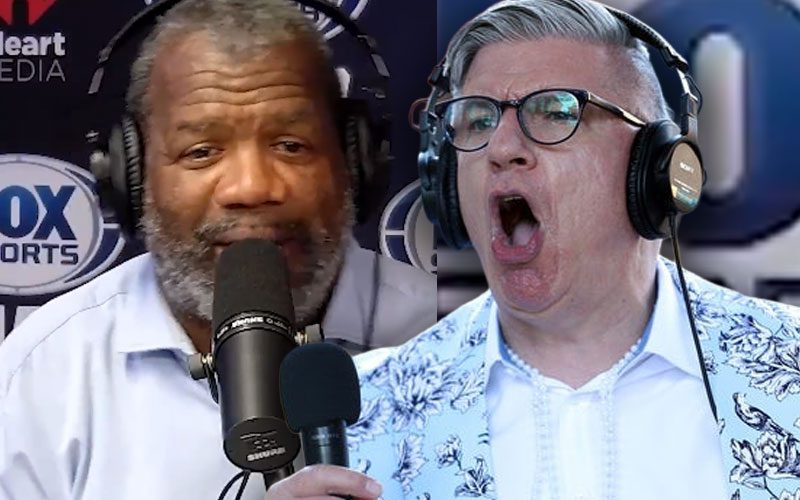
Dave LaGreca and Tommy Dreamer, as WrestlingNews.co noted, countered the critique by focusing on the active community engagement that keeps the industry profitable. While casual interest in regional baseball or mid-season basketball may fluctuate based on standings, wrestling retention remains remarkably stable. The average dedicated fan spends 6.5 hours per week consuming dedicated wrestling content, from weekly television programs to serialized podcasts.
Compare this to the standard sports viewer who often engages only during playoff windows. The backlash to Parker’s comments highlights an analytical disconnect. When 40% of the audience for a major wrestling pay-per-view has been watching for more than a decade, the product isn't a fad. It is a utility-backed entertainment model.
The hidden cost of the critique
The critique of wrestling fans suffers from a lack of demographic precision. If we analyze the household spending power, the audience for these events effectively matches the spending power of the average NBA or NFL viewer in the 25-45 age bracket. The average fan traveling to a destination event in 2026 is spending approximately $1,200 on travel, lodging, and tickets over a three-day weekend.
This is not a casual hobbyist demographic. It is a high-yield segment that media traditionalists like Parker fail to categorize correctly because they refuse to adjust their definitions of sports entertainment. When you see 75,000 to 80,000 fans packing stadiums for these events, any suggestion that this is a fringe interest collapses under the weight of the gate receipts. The reality is that the industry is outperforming the niche labels assigned to it by legacy sports media.