The Big Picture
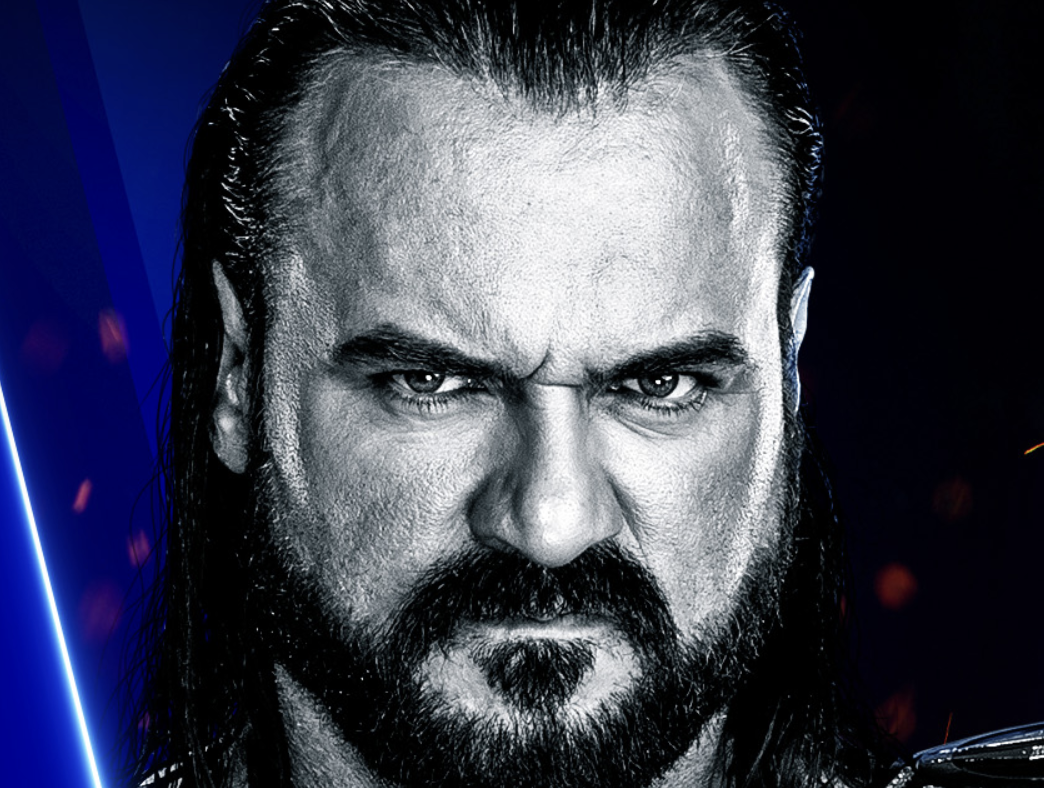
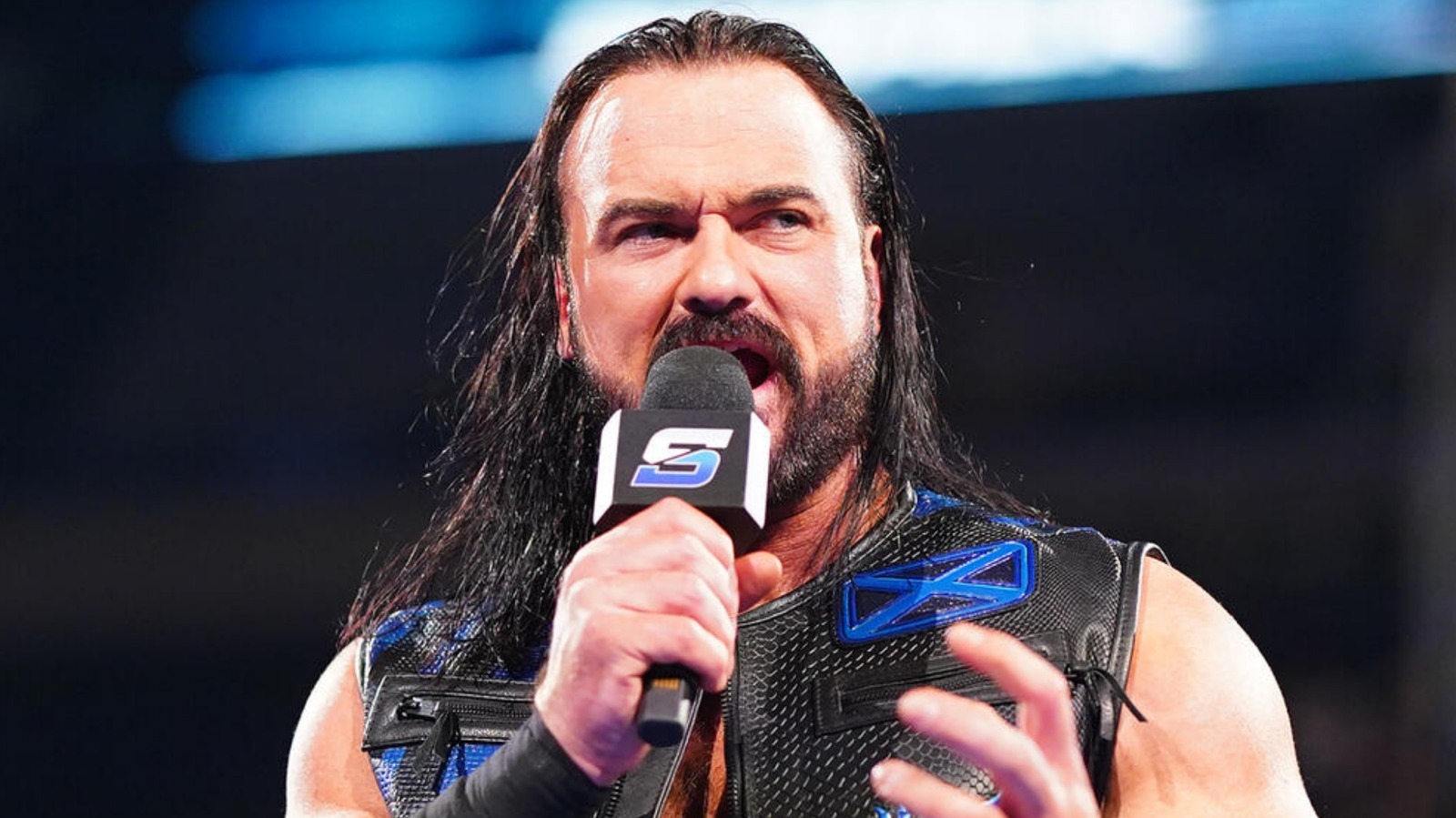
Professional wrestling is usually a game of second chances, but Drew McIntyre is currently on his fourth or fifth life. He has evolved from a hand-picked corporate project into a self-made titan who saved the company during its darkest logistical hour. Today, he stands as the most vital antagonist in the industry, proving that longevity is less about staying relevant and more about being willing to burn your old self down.
10. The Chosen One (2009-2010)
This was the era of the Vince McMahon endorsement that nearly sunk a career before it started. Entering to the haunting Broken Dreams theme, McIntyre was presented as a corporate-sanctioned assassin who captured the Intercontinental Championship in 2009. While the talent was obvious, the presentation felt forced, placing him in a position where fans were conditioned to resent his push rather than his character. It ranks last because, despite the gold, McIntyre lacked the lived-in grit that defines his modern work. He was a prototype that hadn't yet been stress-tested by the reality of the business.
9. The 3MB Comedy Pivot
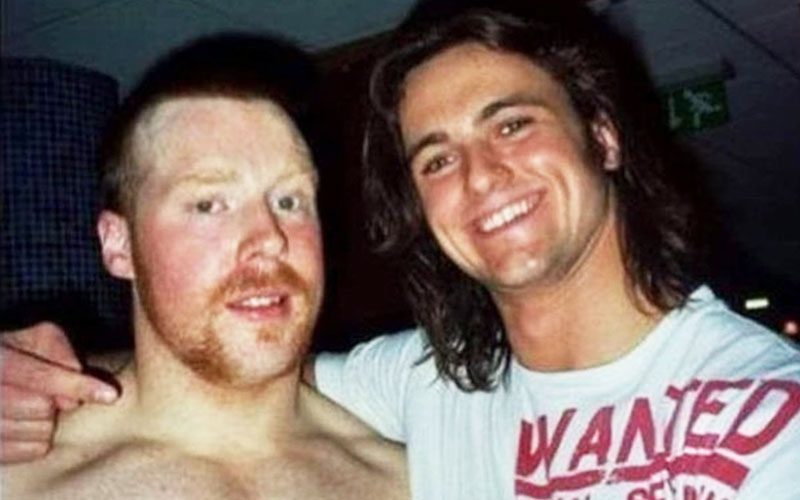
Every superstar needs a basement before they can build a skyscraper. Joining Heath Slater and Jinder Mahal in 3MB was an objective booking failure that turned a former blue-chip prospect into an air-guitar-playing punchline. Yet, this era is vital because it showed McIntyre’s willingness to eat humble pie and commit to a role, no matter how ridiculous. It ranks above his debut because it humanized him, showing a vulnerability that would eventually make his 2020 comeback feel earned. Without the embarrassment of losing to Los Matadores, the fire that fueled his resurgence would never have been lit.
8. The Independent Sabbatical (Galloway)
When WWE released him in 2014, Drew Galloway didn't go on a grievance tour; he went on a scouting mission. He transformed his physique and his promo style in ICW and Evolve, proving he could carry a brand on his own terms. This period ranks eighth because it was the first time we saw the "Scottish Psychopath" in its raw, unpolished form. He wasn't just working matches; he was rebuilding a 17-year legacy from the ground up. This was the era that taught him that a wrestler’s value is determined by the size of their presence, not the size of their stage.
7. The NXT Resurrection (2017)
Returning at NXT TakeOver: Orlando was the ultimate validation of his time on the independent circuit. Defeating Bobby Roode for the NXT Championship at Brooklyn III proved that he was no longer the kid who needed a corporate endorsement to succeed. This rank is solidified by the fact that he was the first person to ever return to the company and immediately feel like a bigger deal than when he left. It sits at seven because it was a bridge to the main roster, a necessary proof-of-concept for the destruction he was about to cause on the flagship shows.
6. Eliminating Brock Lesnar (2020)
The 2020 Royal Rumble was arguably the most perfectly booked match of the last decade, and McIntyre was the focal point. When he Claymored Brock Lesnar over the top rope, the roof of Minute Maid Park didn't just move; it disintegrated. This moment ranks above his NXT run because it was the exact second he transitioned from a mid-carder to a permanent main-event fixture. It was a five-minute sequence that erased ten years of doubt. He didn't just win a match; he claimed the territory from a beast that had held it hostage for years.
5. Carrying the PC and ThunderDome Eras
While the world shut down, McIntyre stepped up. Winning the WWE Championship from Brock Lesnar in an empty Performance Center at WrestleMania 36 was a bittersweet milestone that defined his career. He became the face of a company that had no audience, carrying the weight of the promotion on his back for months. This era ranks fifth because of the sheer degree of difficulty involved in keeping viewers engaged without the feedback of a live crowd. He was the anchor of a ship sailing through a global storm, proving he could be a leader when the lights were at their dimmest.
4. The Clash at the Castle Performance
Cardiff saw McIntyre at his most atmospheric, entering to a remixed Broken Dreams and facing Roman Reigns in front of a rabid European crowd. Despite the loss, this was the moment McIntyre proved he could command a stadium-sized audience as a singular focal point. It ranks high because it showcased his ability to tell a tragic story, though it is marred by the bizarre post-match singing segment with Tyson Fury. That singing was a rare booking misstep that momentarily undercut the gravity of the main event. Still, the match itself remains a masterclass in power-wrestling psychology and near-falls.
3. The January 2026 SmackDown Shocker
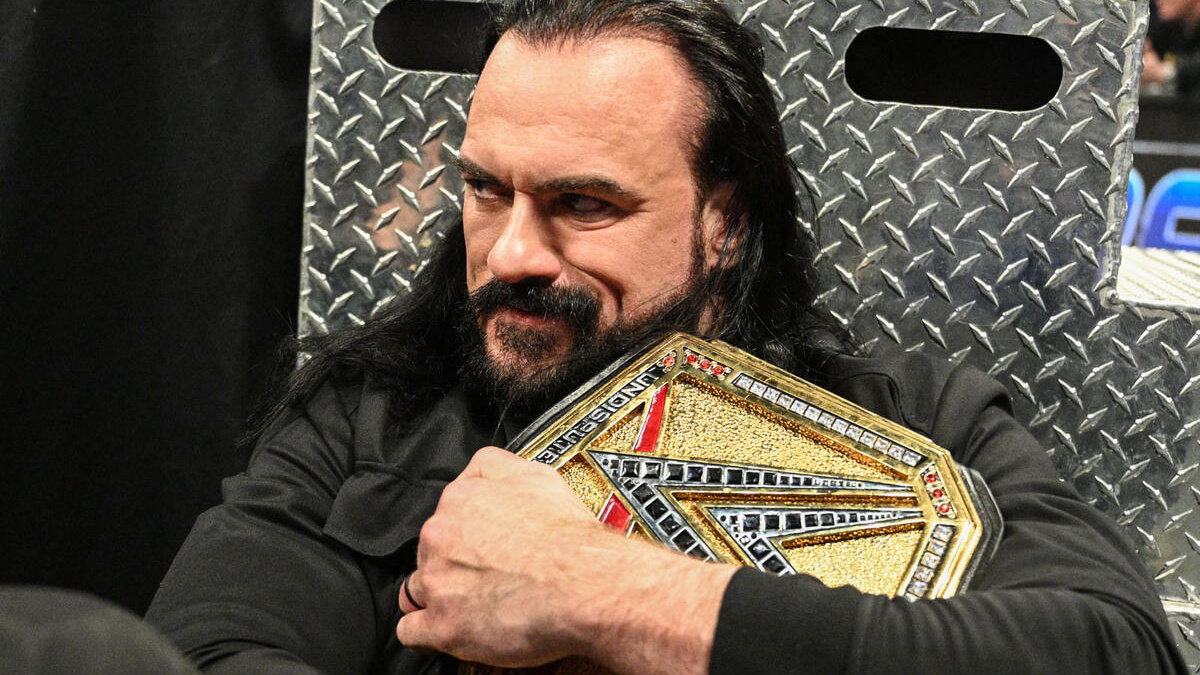
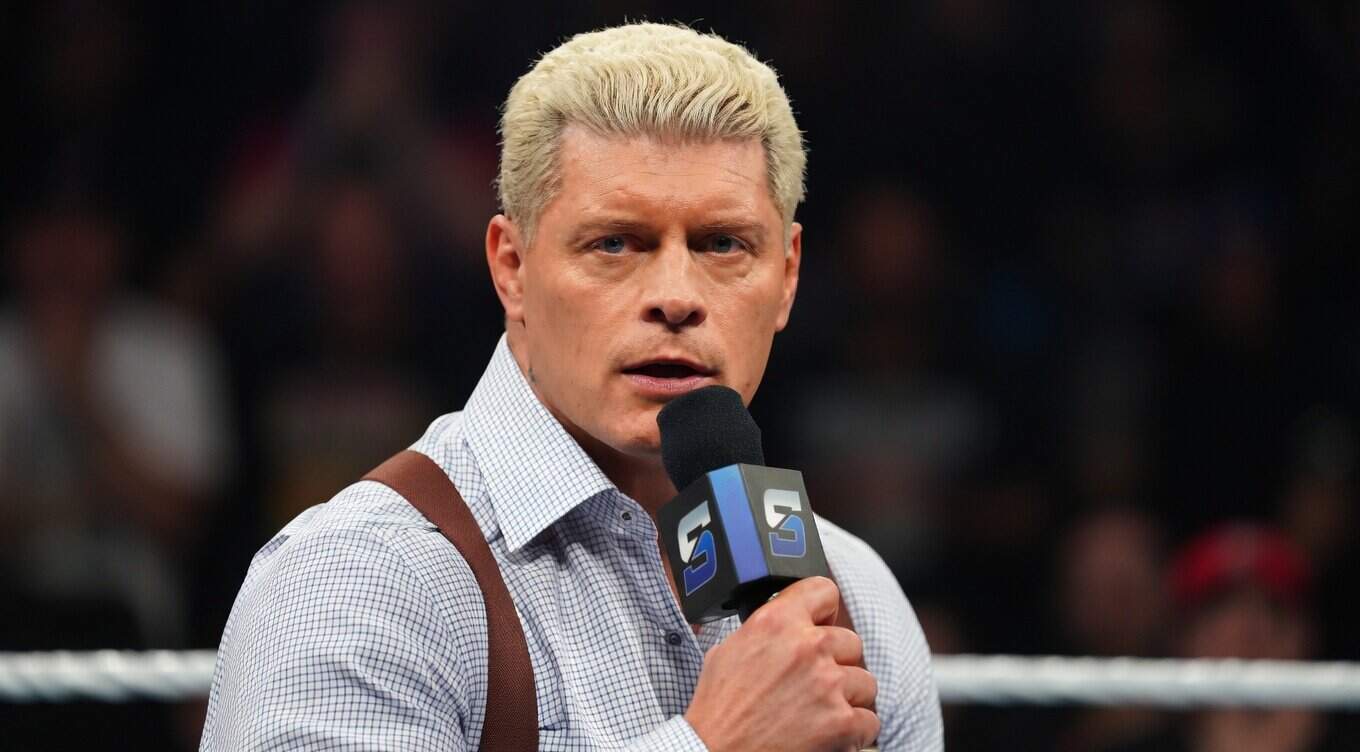
Ending Cody Rhodes' historic championship reign in January 2026 was the moment McIntyre became the most hated man in wrestling. Most fans expected Cody to hold the gold until WrestleMania 41, but McIntyre’s calculated assault on SmackDown shattered the narrative. As Wrestling Inc reported, McIntyre felt that "there needed to be a shake-up" to spice things up on the blue brand. This ranks third because it was a move that prioritized cold logic over fan service, establishing McIntyre as a disruptor who doesn't care about the "story" everyone else is trying to finish.
"There needed to be a shake-up. Cody is a great champion, but the industry was getting too comfortable with the hero's journey. I decided to end that journey early."
2. The CM Punk Social Media War
The feud with CM Punk throughout 2024 and 2025 changed the way we view rivalries in the digital age. McIntyre didn't just attack Punk in the ring; he dismantled him on social media with a level of cruelty that felt uncomfortable. By posting photos of Punk’s injuries and celebrating his failures, McIntyre created a "Hater" persona that resonated because it felt entirely too real. This ranks second because it blurred the lines of the script more effectively than anything else in modern WWE. It wasn't just a wrestling feud; it was a character study in obsession and professional jealousy.
1. The 2026 Character Evolution
We are currently witnessing the peak version of Drew McIntyre. He has synthesized the brutality of the Scottish Psychopath with the cutting wit of a man who knows he is the smartest person in the room. Even with WrestleMania 41 only 12 days away, McIntyre is already looking toward his next transformation. Recent comments made to Wrestling Inc suggest that a babyface turn is on the horizon, but one grounded in his current cynicism. This ranks first because it represents a performer in total control of his craft, capable of shifting the moral alignment of an entire audience with a single promo or a well-timed Claymore kick.
Honorable Mentions
The "Dogs of War" alliance with Braun Strowman and Dolph Ziggler deserves a nod for its sheer physical dominance, even if it lacked a long-term payoff. His 2021 Hell in a Cell match against Bobby Lashley also stands as a brutal reminder of his willingness to put his body through a woodchipper for a title. Finally, his debut as the masked member of the "Party Posse" in the UK—a deep cut for long-term fans—reminds us how far he has actually come from those early, uncertain days.
Read Next
- WrestleMania 41: A Crossroads of Legacy, Redemption, and Creative Turmoil
- Road to Vegas: The 10 Moments Defining This Wrestling Era
- WrestleMania 41 is about to face its biggest transfer shock since Royce Keys
- Top 10: The Moments Shaping the Road to WrestleMania 41
- 🏆 WrestleMania 41 — Full Coverage Hub