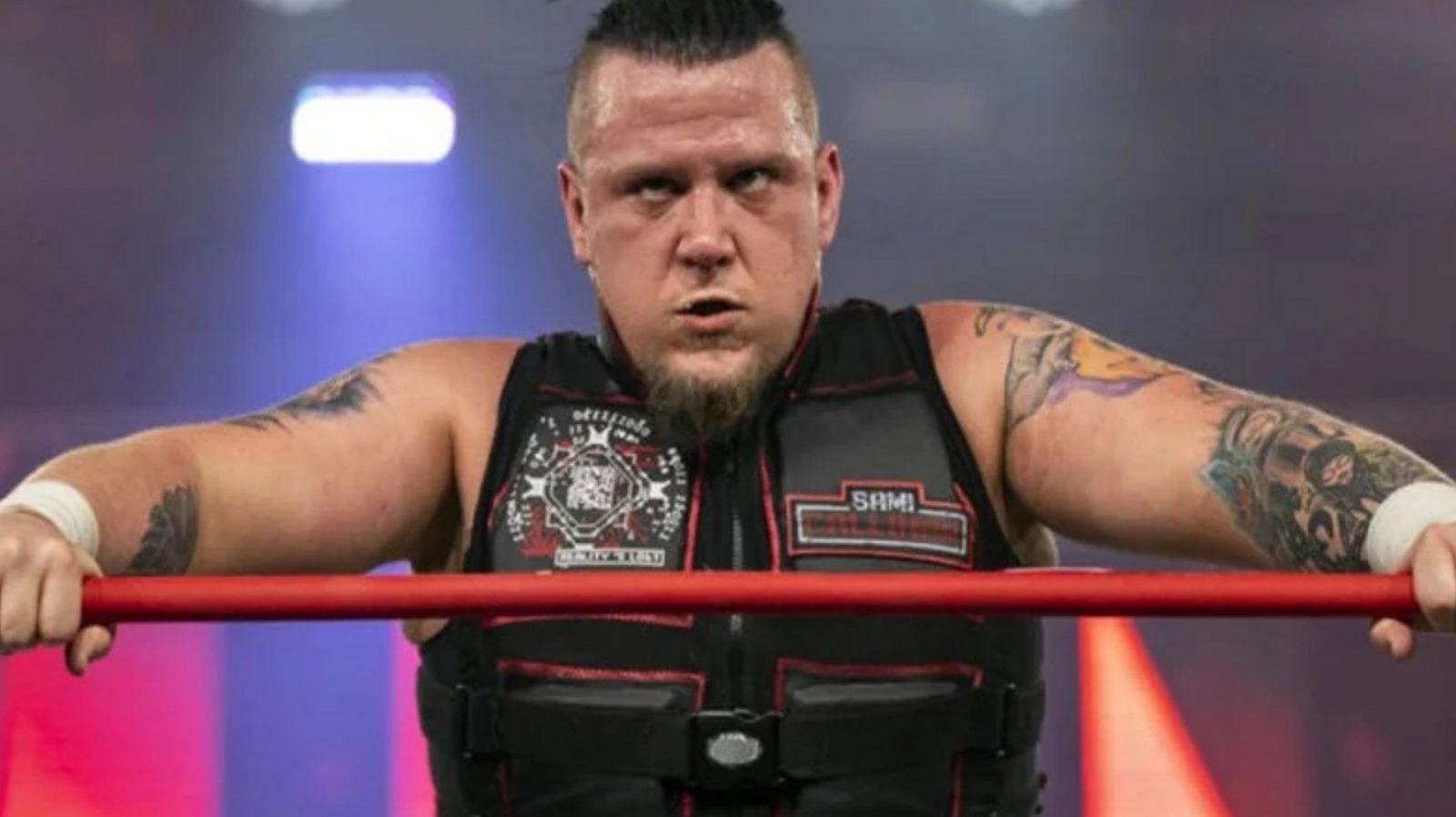
Why Matt Hardy's confusion over Sami Callihan should worry TNA fans
The Cost of Restructuring
Professional wrestling is an industry built on the illusion of control. Promoters choreograph every single frame, yet the actual business operations often run with the stability of a high-wire act.
The sudden departure of Sami Callihan from TNA Wrestling on June 17, 2026, is a stark reminder of this corporate reality. According to details shared by Wrestling Inc, Callihan was reportedly blindsided by a Zoom call that he assumed would formalize his promotion to the creative team.
Instead, he was handed his release papers, ending a ten-year association with the promotion that defined his modern career. It was a cold termination for a performer who had given his body to the company.
This was not a standard roster cut. Callihan had transitioned from active in-ring competition in August 2025 to serve as a backstage producer and Director of Live Events.
He was the structural connective tissue between the locker room and the front office. By terminating his contract, TNA President Carlos Silva signaled that financial optimization overrides creative continuity.
The optics of the move are terrible. Firing a veteran who was actively preparing to guide the next generation of talent speaks to a lack of long-term planning. It shows a company focused entirely on the short-term balance sheet.
The business justification is obvious. Anthem Sports & Entertainment is looking to stabilize its finances after years of operating losses.
This strategy of extreme cost-cutting extends beyond the roster. The promotion has increasingly scaled back its production values, opting for smaller television tapings in cheaper venues like the Osceola Heritage Park. While these choices reduce overhead, they also shrink the brand's visual scale.
Silva was brought in to reduce debt and streamline operations. But professional wrestling is not a traditional corporate media asset.
It requires a specific understanding of talent relations and episodic storytelling. Cutting the people who understand those mechanics is a dangerous game. It creates a vacuum that external partnerships cannot fill.
We have seen this pattern before in wrestling history. A corporate entity takes control, prioritizes short-term cost savings, and accidentally guts the artistic core of the product. TNA is repeating those exact mistakes.
A Locker Room Left in the Dark
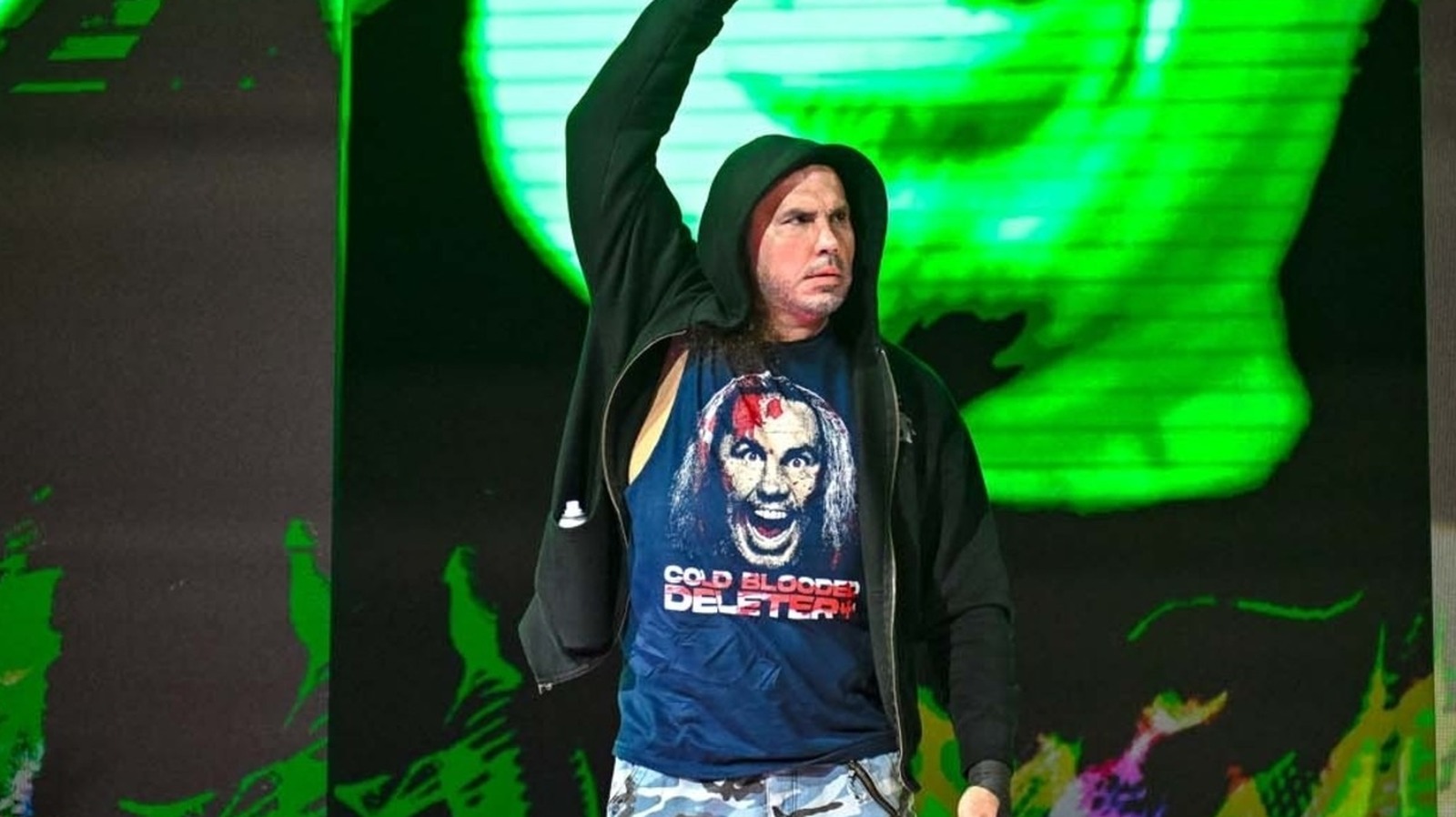
The real warning sign did not come from Callihan's social media. It came from Matt Hardy.
As reported by Wrestling Inc, Matt Hardy discussed the exit on his podcast, praising Callihan's contributions while admitting he does not know the reason for his departure. The public confusion of a top-tier star is a massive red flag.
When a legacy performer who has direct access to management is left in the dark, it points to a systemic breakdown in organizational communication. Locker rooms run on trust, and that trust is evaporating.
Trust in a wrestling locker room is fragile. When management fails to explain why respected veterans are suddenly cut, it creates a culture of paranoia and self-preservation. That atmosphere is toxic to the collaborative process required to construct good matches.
Hardy returned to TNA at Rebellion in April 2024. He and his brother Jeff Hardy have been positioned as the veteran anchors of the promotion, working high-profile matches against factions like The System.
If Matt Hardy is publicly questioning personnel decisions, the internal mood must be tense. Roster members are left wondering who is next on the chopping block.
The departure of Tommy Dreamer around the same period only amplifies these anxieties. The veteran leadership that kept the locker room steady is being systematically dismantled.
This communication gap is a direct result of the management shift. Under the previous regime, there was a clear line of command.
Writers and talent knew who to speak to. Now, decisions are handed down from corporate executives who rarely interact with the roster.
The gap between corporate strategy and locker room reality is widening. Hardy's public comments are a polite way of warning management that they are losing the dressing room.
When your top stars are expressing confusion on public broadcasts, the internal structure is already fractured. Management must address this communication breakdown before it affects the on-screen product.
The Mechanical Void on Television
To understand what TNA lost, one must analyze Callihan's mechanical contributions to the product. Callihan understood the pacing of television wrestling better than most.
His in-ring style was chaotic, but his storytelling was highly structured. His match against Pentagón Jr. at Slammiversary XVI in July 2018 lasted exactly 18 minutes and remains a masterclass in violent escalation.
Every weapon shot and near-fall was positioned to maximize crowd response. He did not waste motion, even in a street fight.
His 2018 feud with Eddie Edwards is another example of his narrative instincts. When an accidental baseball bat strike fractured Edwards' face on the March 1, 2018 episode of Impact, Callihan did not shy away.
He leaned into the heat. He transformed a dangerous mistake into a highly profitable, months-long feud that culminated at Redemption in April 2018.
That ability to turn real-world chaos into compelling television is a rare skill in modern wrestling. It requires an analytical mind that understands how to work an audience.
His crowning achievement was his World Championship match against Tessa Blanchard at Hard To Kill 2020. The match went 23 minutes and had to carry the weight of historical significance.
Callihan worked as the classic, physical antagonist, giving Blanchard the perfect platform to shine. The pacing was deliberate, building to a dramatic climax that satisfied the live crowd.
He knew when to cut off her comebacks and when to let the audience breathe. That match highlighted his deep understanding of in-ring psychology.
Callihan was also instrumental in mentoring younger, high-flying talent who lacked storytelling experience. He would sit down with them to break down tapes, helping them understand when to slow down and sell a move. Without that guidance, younger wrestlers risk over-performing and injuring themselves for minimal crowd reaction.
Backstage, Callihan applied these same principles. As Director of Live Events, he ran the logistics of touring loops.
His experience running his own independent promotion, The Wrestling REVOLVER, gave him a practical understanding of budget management. He knew how to draw crowds without the benefit of a massive marketing budget.
TNA has struggled with live attendance for years. Losing a producer who understands the grind of independent touring is a major setback for their live event business.
The Post-D'Amore Crisis of Identity
The root of TNA's current instability trace back to February 2024. That was when Anthem fired Scott D'Amore, the creative architect who revived the brand.
D'Amore's departure left a creative void that the company has failed to fill. The rebrand from Impact back to TNA was supposed to signal a new era of growth.
Instead, it has been marked by cost-cutting and roster turnover. The creative direction is now handled by a committee that lacks a singular vision.
The ongoing partnership with WWE NXT is a double-edged sword. While it provides temporary rating boosts and social media buzz, it does little for long-term brand building.
TNA talent appearing on NXT television are often booked as secondary players. It positions TNA as a developmental farm system rather than a viable alternative.
Without strong internal creative minds like Callihan to advocate for the roster, TNA risks losing its unique identity entirely. The roster is beginning to feel like a revolving door.
The search for new creative voices has become urgent. On his podcast, Matt Hardy suggested that TNA should look at former WWE writer Nick Manfredini to help steer the ship.
This suggestion is telling. It is a public acknowledgment that the current creative team needs help.
The remaining writers are stretched thin, and the product is starting to reflect that fatigue. Weekly television episodes feel formulaic, lacking the gritty edge that defined the promotion's best years.
Fans who stuck with the brand through its name changes deserve better than a watered-down developmental show. They want a distinct product that offers a true alternative to the polished presentation of larger promotions. By purging its unique voices, TNA risks becoming just another generic indie show.
Ultimately, a wrestling promotion cannot survive on corporate efficiency alone. It requires characters, stories, and a locker room that believes in the direction of the company.
Firing Sami Callihan to save a few dollars on the balance sheet is a short-sighted move. It saves money in the short term but damages the creative foundation of the product.
If Matt Hardy is confused by the direction, the fans have every right to be worried about the future. TNA must resolve this internal divide before they lose their audience completely.
KNOCKOUT: The True Story of Being Halftime Hulk Hogan
A deep, unfiltered dive into the golden era of professional wrestling.
Frequently Asked Questions
When did Sami Callihan leave TNA Wrestling?
Why was Sami Callihan released from TNA?
What backstage roles did Sami Callihan hold in TNA?
How did Matt Hardy react to Sami Callihan's TNA exit?
Who is the President of TNA Wrestling?
More Coverage
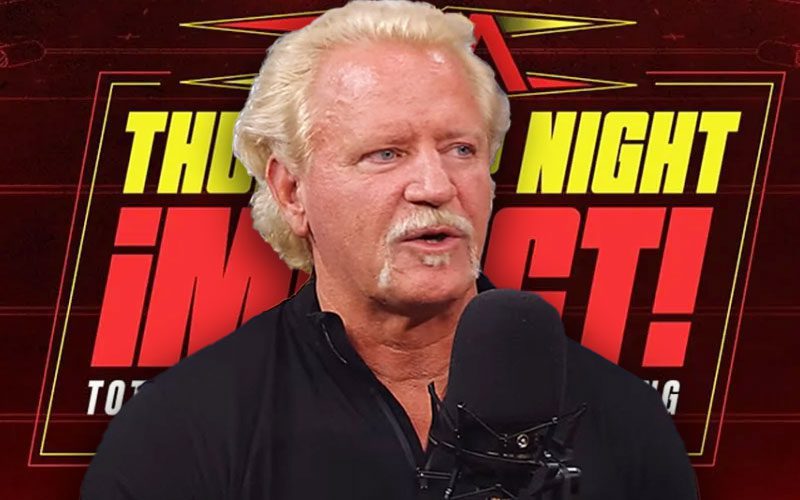
Jeff Jarrett says he's happy in AEW, but the TNA sale rumors won't die
5 hours ago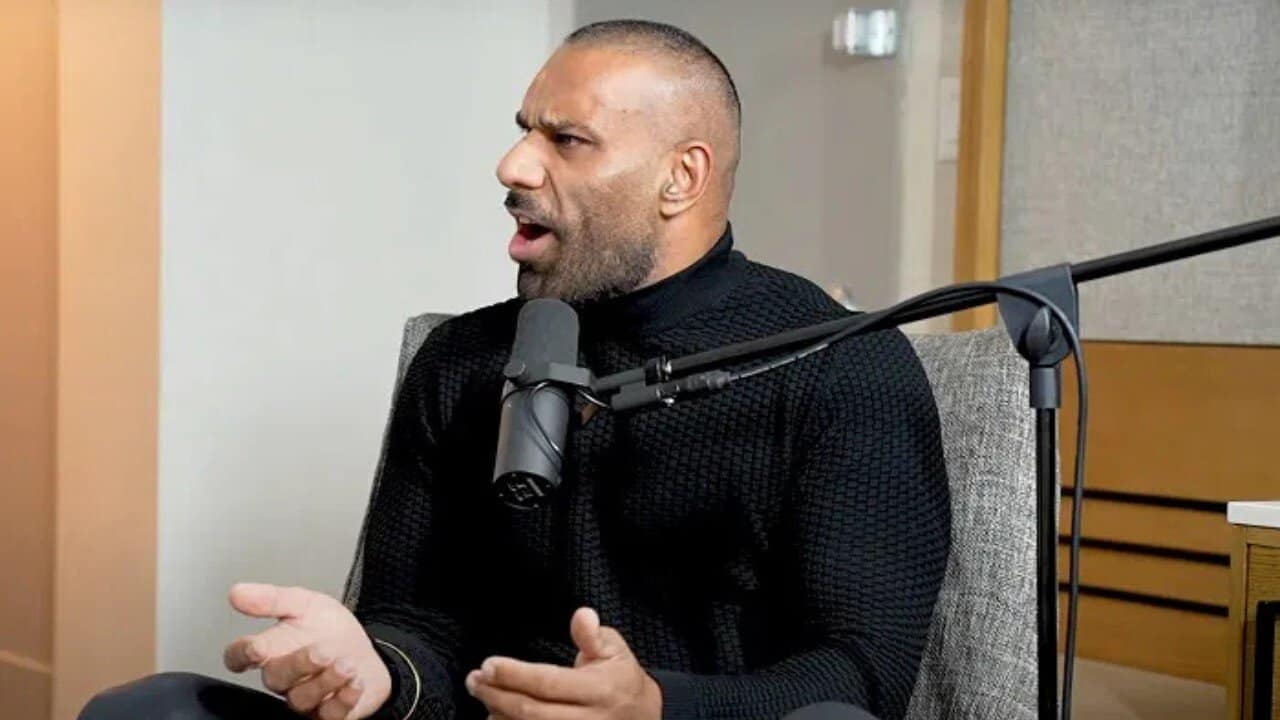
Inside the bizarre rise of Jinder Mahal from near-firing to WWE Champion
6 hours ago
Why Jinder Mahal is right about wrestlers blaming creative for their flops
6 hours ago
Brie Bella is right to be angry about her three-minute SmackDown match
7 hours ago
Steve Maclin is leaving TNA and he has a lot to say about Matt Riddle
1 day, 1 hour ago
Trey Miguel is medically cleared after four months out with a broken kneecap
1 day, 1 hour agoMore Analysis
Sami Callihan's TNA exit leaves a massive void in the X-Division
2 weeks, 5 days ago
Sami Callihan leaving TNA feels like the end of an era
2 weeks, 5 days ago
Sami Callihan’s TNA exit leaves a crater in the creative room
2 weeks, 1 day ago
TNA is betting the house on a mid-card reboot
1 week, 5 days ago
Sami Callihan’s TNA exit proves nobody is safe in this business
2 weeks, 5 days ago