The Tactical Toll of the Viejas Arena Opener
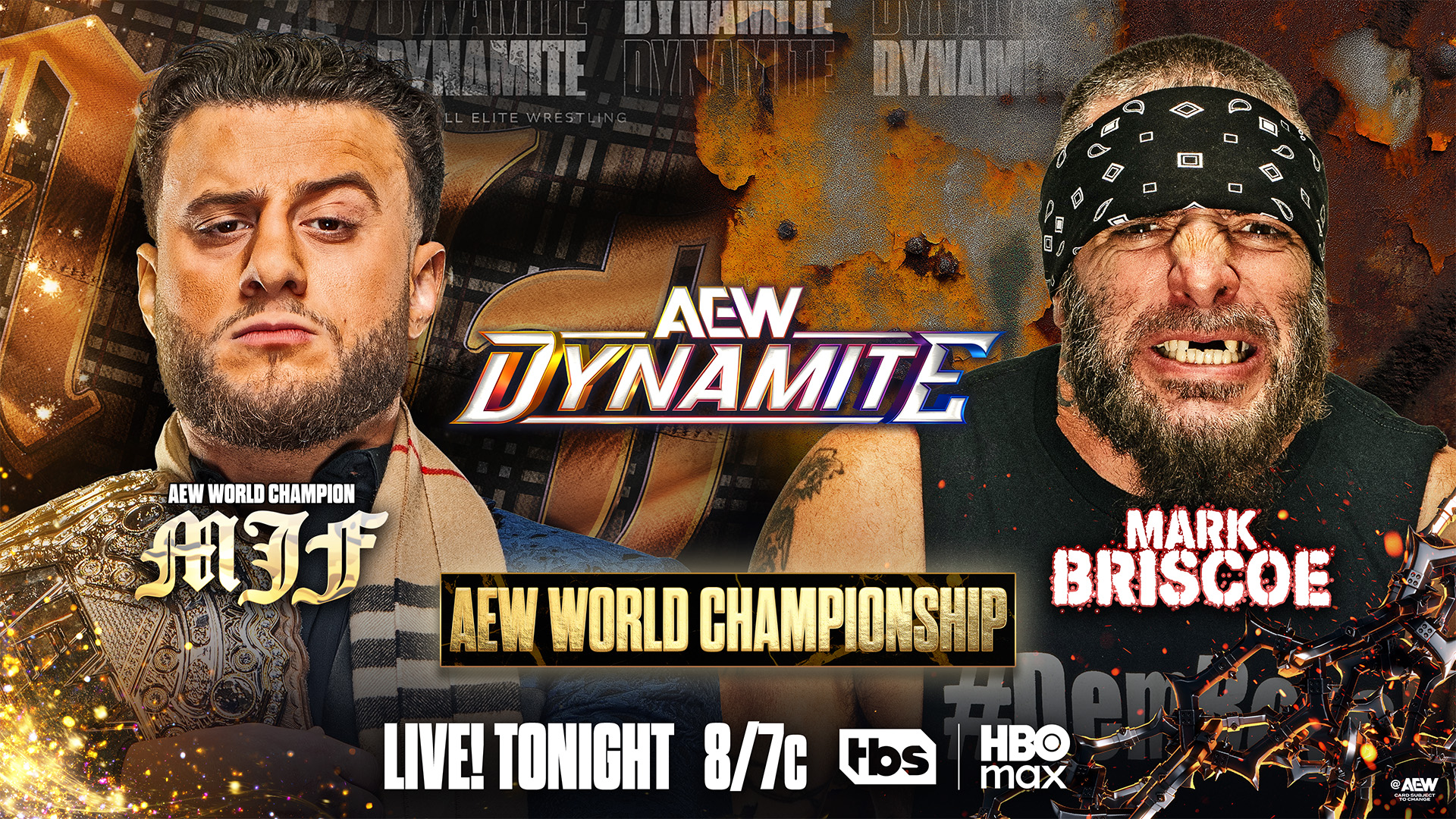
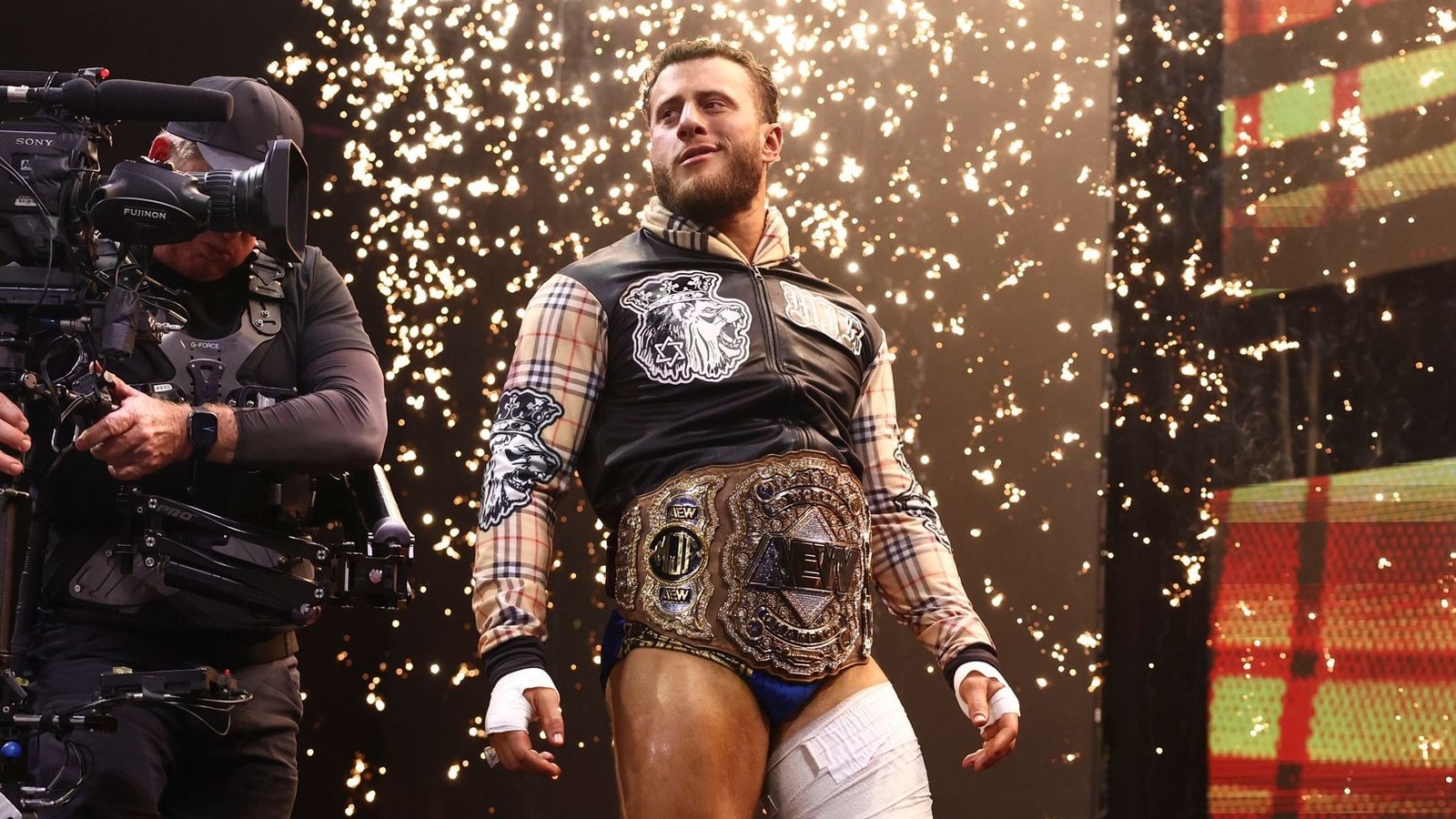
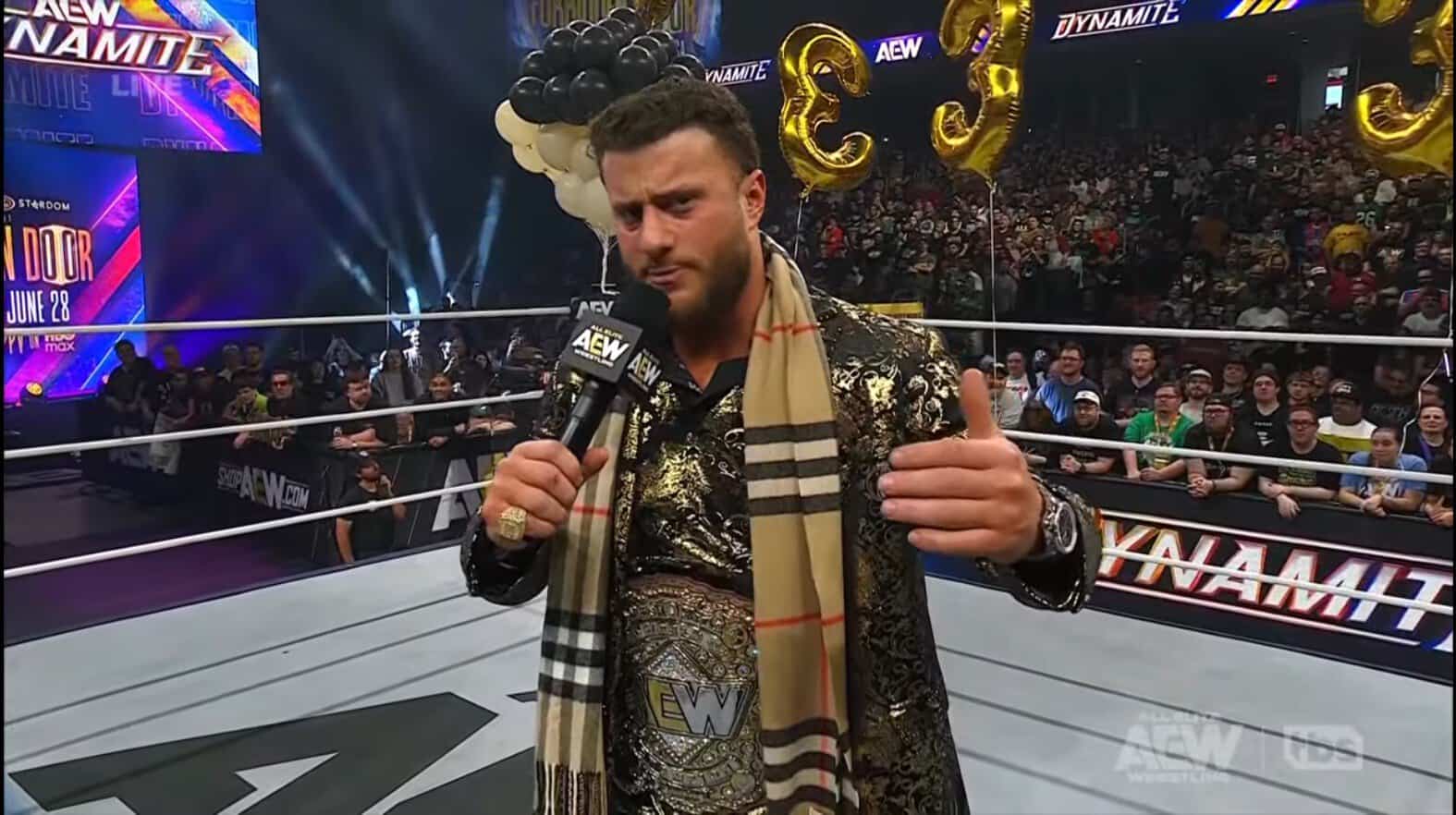
Last night's AEW Dynamite opener at the Viejas Arena in San Diego saw MJF retain his world championship against Mark Briscoe. The match ran exactly 16 minutes, and every second exposed the champion's physical vulnerability. While the champion walked out with the belt, the structural cracks in his physical game plan are widening.
Briscoe targeted the champion's left knee from the opening bell. A low dropkick at the 3:12 mark visibly altered MJF's movement for the rest of the night. The champion was forced to adapt his stance to protect the joint.
This adjustment slowed the match pace down significantly. MJF relied on eye pokes and rope breaks to disrupt Briscoe's flow. He targeted Briscoe's neck with a draping DDT at 9:14 to buy recovery time.
Still, the physical toll was obvious. When Briscoe landed a Cactus Elbow to the floor at 11:05, MJF was slow to rise. His leg buckled completely during a powerbomb attempt at 13:10.
MJF eventually secured the victory with a second-rope Heatseeker at 15:45. However, his post-match assault on Briscoe felt like a creative misstep. Using a folding chair to beat down a defeated opponent is a tired trope that MJF has overused during this run.
The Biomechanics of a Compromised Champion
Working with a leg injury changes how a wrestler handles balance and momentum. For MJF, his signature move, the Heatseeker, requires springboarding off the middle rope. Last night, the pressure on his left knee during the jump caused a visible hesitation before execution.
The Salt of the Earth armbar is also affected. This submission requires the attacker to plant their heels and torque their hips to create pressure. Without a stable base, MJF cannot apply the lock with the same force, allowing opponents to roll through.
Briscoe's strategy was sound, but he failed to capitalize on the submission game. He should have transitioned from strike-heavy offense to a figure-four leglock or a sharpshooter. By letting MJF dictate the pace, Briscoe allowed the champion to rest and recover.
The Clearwater Trap
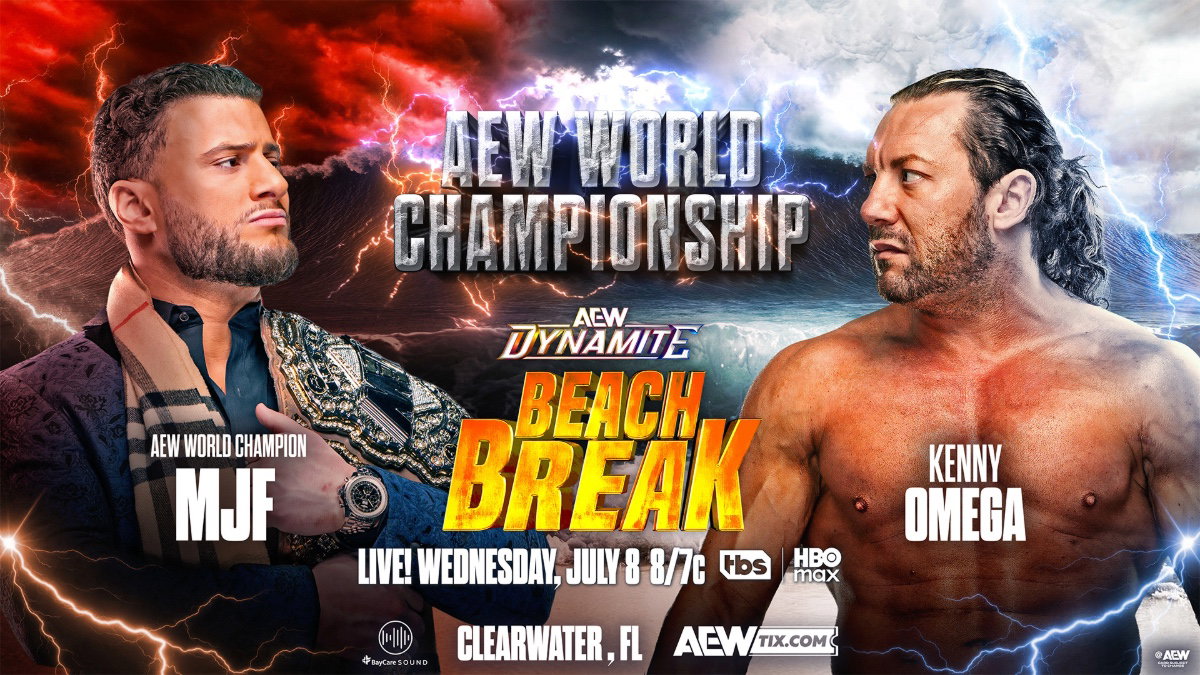
Kenny Omega's post-match save set up a title clash for Beach Break on July 8 in Clearwater, Florida. The match comes with a massive tactical constraint. If Omega loses, he is barred from challenging for the world championship as long as MJF holds the title.
This stipulation shifts the power balance of the AEW main event scene. For Omega, this is a massive gamble that limits his future booking paths. Critics point out that this booking decision paints the promotion into a corner.
At Beach Break, the tactical matchup will center on Omega's ability to exploit MJF's knee injury. Omega's V-Triggers and snap dragon suplexes require rapid lateral movement to defend. If MJF cannot pivot his hip cleanly, he will be a sitting duck.
Omega must maintain a high-volume offensive output. He cannot allow MJF to slow the match down. The champion will try to keep the action on the mat to minimize his movement.
Omega's Own Physical Vulnerabilities
Omega is not without his own physical limitations. His recent return to active competition has highlighted a shift in his in-ring style. He relies less on high-flying maneuvers and more on impact strikes and suplexes.
This shift makes him more predictable in the ring. MJF's analytical approach will focus on Omega's midsection and neck, aiming to cut off his breathing. A targeted attack on Omega's ribs could neutralize the V-Trigger before it can be launched.
Omega's Historic Match Pacing
Historically, Omega's championship matches are marathons of escalating intensity. In his classic bouts, he spends the first ten minutes establishing his distance with a stiff left jab and low front kicks. This systematic setup allows him to gauge his opponent's speed before launching high-risk maneuvers.
At the fifteen-minute mark, Omega typically initiates his signature offensive sequence. This begins with a snap dragon suplex to force the opponent to protect their neck, followed by a V-Trigger knee strike. If his opponent's guard drops, he immediately seeks the One-Winged Angel to seal the victory.
However, this high-octane pacing requires a fully functional opponent to catch and base his suplexes. If MJF is unable to support his own weight, Omega's suplexes risk turning into awkward, dangerous drops. This mechanical mismatch could lead to a sloppy finish that hurts both competitors.
Ospreay's Owen Cup Run and Wembley Threat
Will Ospreay's run through the Owen Cup has been a masterclass in pacing. In his semi-final match, he targeted his opponent's midsection to set up the Hidden Blade. His strike-heavy style is designed to minimize his own bumps while maximizing damage.
This tactical evolution makes Ospreay a nightmare matchup for a champion with a bum leg. He no longer relies solely on high-flying stunts to win matches. Instead, he uses smart ring positioning to cut off his opponent's escape routes.
Against MJF, Ospreay's striking output will be the deciding factor. The champion cannot afford to absorb heavy strikes to the head and neck while dealing with a compromised leg. A single well-placed kick could end the match in an instant.
The Wembley Shadow
Looming over the Clearwater clash is All In at Wembley Stadium. Will Ospreay has already secured his world title shot by winning the Owen Cup. The winner at Beach Break will face Ospreay in London.
This setup creates two distinct narrative paths for Wembley. A babyface clash between Omega and Ospreay would be an athletic spectacle. As Dreamer discussed on Busted Open Radio, a face-versus-face encounter could echo the legendary British Bulldog versus Bret Hart matchup from SummerSlam 1992.
However, a heel champion defending against Wembley's home-town hero is the classic wrestling dynamic. Ospreay represents the ultimate athletic threat to a compromised MJF. His speed and aerial ability would dissect a champion with a bad leg.
MJF's ground game would contrast perfectly with Ospreay's high-flying offense. The heat at Wembley would be off the charts. London fans want to see Ospreay dethrone a heel champion, not wrestle a respect match.
The Workload Dilemma
MJF is carrying a heavy physical burden as he approaches this gauntlet. At just 29 years old, the champion is working through significant physical issues. Dreamer noted the difficulty of the champion's schedule given his physical state.
“He is putting an incredible workload upon himself, having matches the way he does, also with a bum leg, and continues to go out there and impress,” Dreamer said.
If MJF retains at Beach Break and beats Ospreay, his title run will stand as a classic. Dreamer's cup-half-full projection suggests that beating both Omega and Ospreay back-to-back would cement the champion's legacy. He remarked that beating both stars would be an unbelievable achievement before turning 30.
Yet, this path runs the risk of causing long-term damage to the champion's knee. Andrade also waits in the wings as a potential challenger after this Wembley cycle. The promotion must protect its top asset before the physical toll becomes career-threatening.
The Prediction
The Beach Break match will be a physical battle decided by small margins. Omega will look to dictate a fast pace to test MJF's knee. However, MJF is at his most dangerous when backed into a corner.
Expect MJF to use the referee as a shield to slow down Omega's momentum. A low blow or a foreign object shot will likely turn the tide in the final minutes. The champion will target Omega's neck to setup a submission.
MJF will win at Beach Break, capitalizing on outside interference to pin Omega. This will bar Omega from the title and set up MJF vs. Ospreay for Wembley. The champion will survive, but his knee will be a massive target in London.
Read Next
- MJF is carrying AEW on one good leg, but Wembley is calling
- Why Kenny Omega's career gamble at Beach Break is a tactical trap
- MJF's high-workload championship run is hitting a physical breaking point
- AEW is rushing its best match to television, and it makes no sense
- ⚡ AEW Dynasty 2026 — Full Coverage Hub