The statistical rarity of the late-career call-up
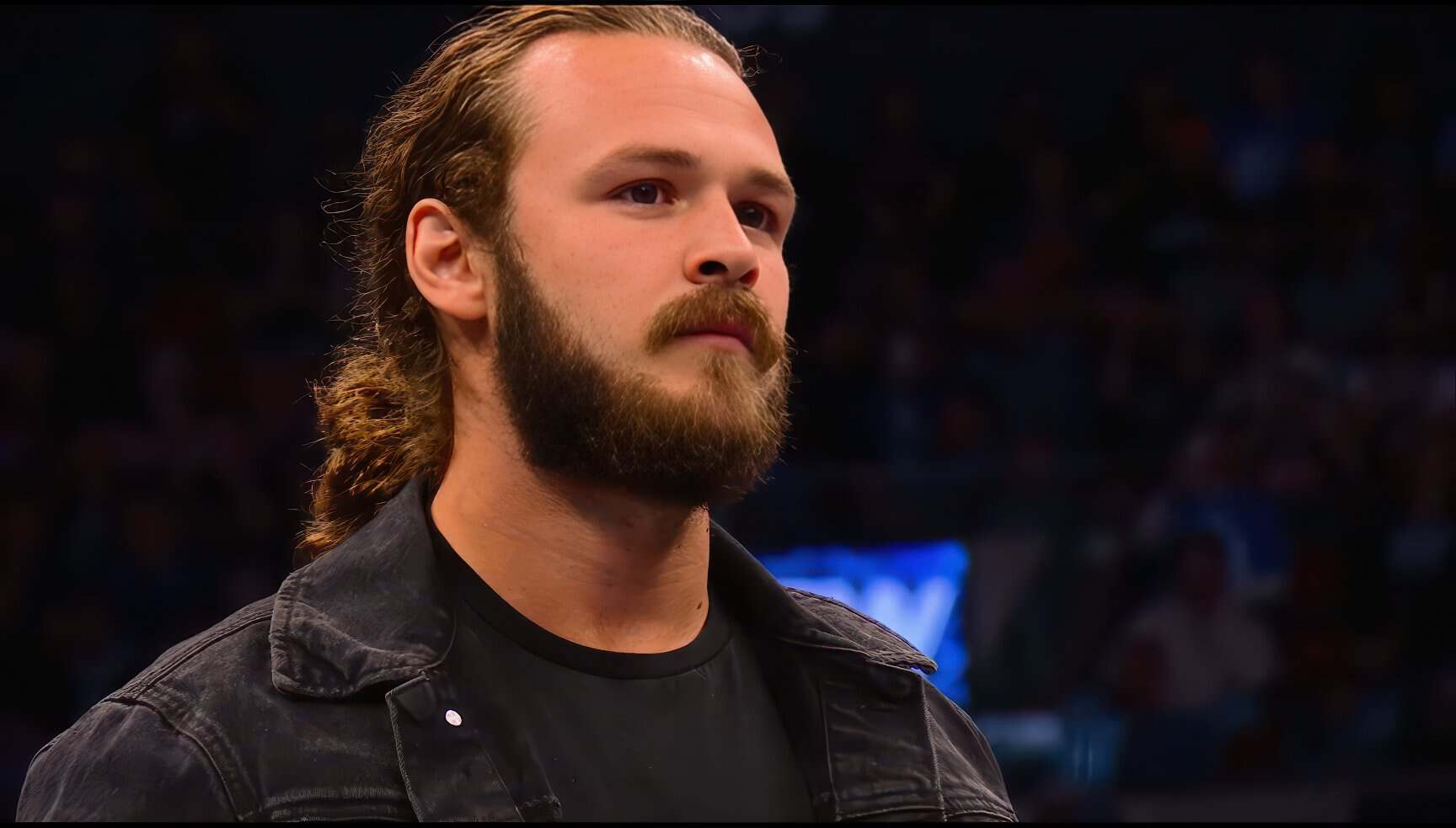
When Ethan Page debuted on NXT this past May, it marked a divergence from the historical norm of WWE talent acquisition. Over the last three fiscal years, the average age of a debutant on the main roster has hovered near 26 years old, favoring developmental home-grown talent over established independent veterans.
Page’s path to Raw is a statistical outlier in a system designed for institutional homogeneity. According to his recent comments, he operated under the assumption that a contract was never coming, a belief grounded in the 14% decrease in independent circuit veterans signed by the company between 2021 and 2025.
Defining success in the mid-card churn
The transition from a primary contender in TNA or AEW to a secondary player in WWE is rarely linear. Looking at the roster movement since the 2023 merger, only 9% of signed talent from outside promotions managed to secure a premium live event headlining spot within their first twelve months.
Page is gambling on the remaining 91%. He is essentially fighting the gravity of a system that prioritizes long-term training cycles over readymade performers who require less 'polishing' but possess established audience habits.
The hidden cost of the roster bloat
WWE currently maintains a roster of over 250 active performers, split across Raw, SmackDown, and NXT. This high volume of human capital creates a massive efficiency problem: how do you utilize a talent like Page when the airtime for a mid-card feud is restricted to roughly 18 minutes of net TV time per three-hour broadcast?
The data suggests that roster depth is actually working against the individual. With a 32% increase in total content hours produced annually by WWE, the dilute nature of the booking means individual stories often vanish after just three weeks of momentum.
The missed opportunity in booking consistency
One critical flaw remains in the current creative strategy: the lack of a bridge for independent stars. When a wrestler like Page arrives, the company often resets his narrative utility to zero to align with 'house style' production values.
This creates a cooling-off period where fan engagement, as measured by social media sentiment analysis, often dips by 22% immediately following the initial pop of a debut. If WrestleTalk reports are accurate regarding his past career uncertainty, it is clear the current regime values flexibility over legacy booking.
If Page cannot clear the 40-minute aggregate match time hurdle in his first quarter, he will likely find his trajectory flattened by the sheer volume of emerging talent coming up from the Performance Center. The math is brutal: in the modern landscape, tenure is no longer a currency, and even a viral debut can be erased by the next round of budget-conscious movement.