Pull up a stool, grab a cold one, and let's talk about the absolute state of wrestling entrance music. What happens in your brain when you hear that iconic glass shatter? Your heart rate spikes, you spill your draft beer, and you look at the entrance ramp expecting a bald man in black trunks to stomp down and drink a couple of Steveweisers.
That is the power of a real wrestling entrance theme. It isn't just background noise for a workout playlist or something you ignore while scrolling on your phone. It is a character-defining identity that hits you like a flashbang in a library.
But if you tune into a WWE show today, you are dropped into a sonic purgatory. We are talking about a wall of generic trap beats, royalty-free synth riffs, and voices yelling the wrestler's name because otherwise you would have no idea who is walking down the ramp. Honestly, it is hard to tell where one song ends and the next begins.
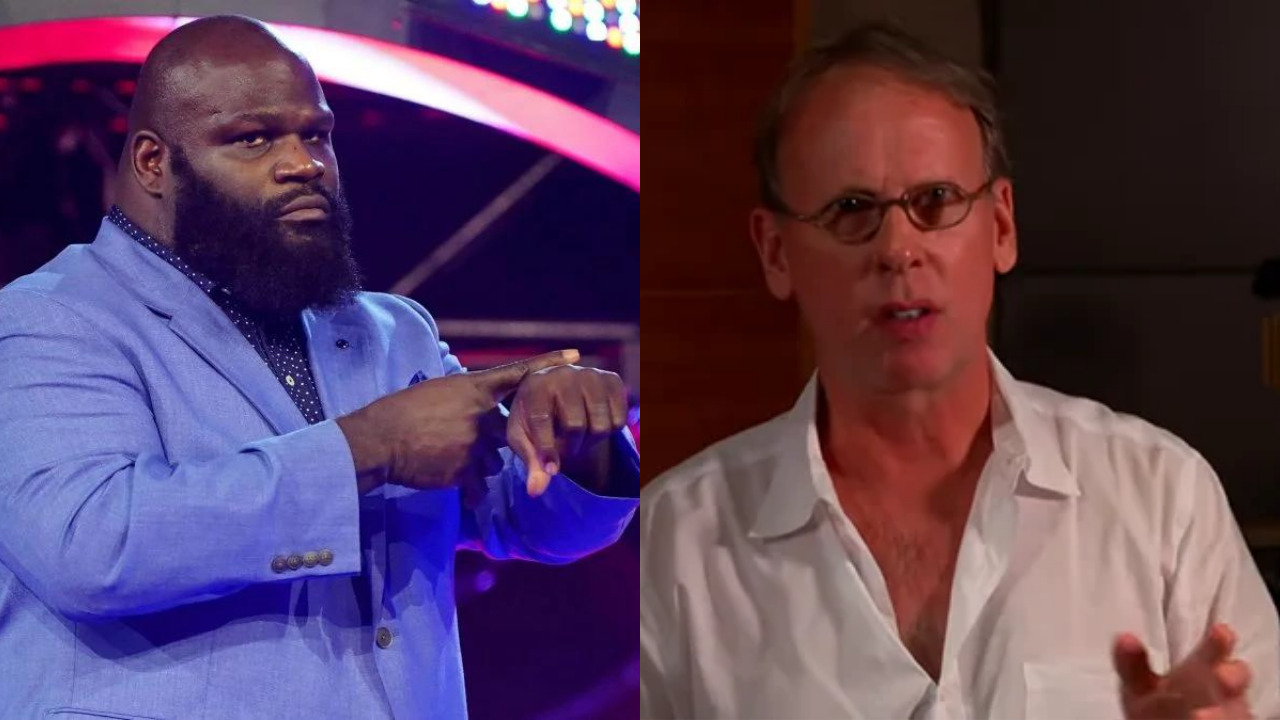
It is a total audio trainwreck, and legendary composer Jim Johnston recently went on the False Finish podcast to say exactly what we have all been yelling at our TVs. The man who wrote the soundtrack to our childhoods did not pull any punches when discussing the current crop of WWE and AEW themes.
According to a report from Wrestling Inc, Johnston described the modern music lineup as homogeneous and mediocre. He bluntly stated that the current themes just sound like noise to him. Honestly, he is being nice.
The man who spent thirty-two years creating the sonic DNA of sports entertainment knows what he is talking about. He did not just write tunes; he manufactured icons. If Jim Johnston says your music sucks, you do not argue with him; you go back to the drawing board.
The Golden Era of the Pop Hook
Think about the masterpieces Johnston pumped out during his run from 1985 to 2017. He did not just compose music; he created immediate mood shifts in the arena. The Rock’s theme did not need a vocal intro to explain itself; that sliding guitar riff did all the heavy lifting.
Johnston understood that a theme song is the character's soul translated into audio. If you were in the kitchen grabbing another slice of pizza, you knew exactly who was coming out the millisecond the music hit. You did not have to sprint back to the living room to look at the screen.
“One of the things I always wanted was that if somebody was in the kitchen getting a beer and they heard the first second of the music, they knew exactly who was coming out,” Johnston said on the podcast. “The music should tell you who that person is.”
When WWE parted ways with Johnston, the music duties fell to CFO$. Fans were nervous about the transition, but the duo quickly won the crowd over with a completely different formula. They relied on short, incredibly catchy loops that got stuck in your brain like a parasite.
They gave us Shinsuke Nakamura’s violin anthem, Bobby Roode’s bombastic 'Glorious' track, and Sami Zayn’s ska-infused celebration. These songs had massive hooks that twenty thousand fans could sing along to in perfect harmony. It turned every entrance into a massive, interactive stadium concert.
But CFO$ eventually departed due to a publishing dispute, and WWE handed the keys to def rebel in 2019. That was the exact moment the music died. We went from orchestral masterpieces to songs that sound like they were generated by a budget AI program.
The Rise of the Generic Trap Loop
The def rebel era will be remembered as a dark age of absolute creative laziness. Instead of writing unique melodies, this production group has relied on generic trap beats and stock synth loops. To hide the fact that their songs all sound like royalty-free background tracks, they started using cheap intro vocals.
You hear a voice yell 'Shoosh!' or 'Brrr!' or some random siren before a generic beat drops. It is a lazy shortcut designed to solve a problem that Johnston never had to worry about. If your song actually has a soul, you do not need a narrator to tell the crowd who is coming out.
This production style has led to massive confusion during major live events. Think about the Royal Rumble matches from the last few years. The buzzer sounds, a generic drum beat kicks in, and the crowd sits in dead silence for five seconds because nobody has any clue who is supposed to be entering.
The live crowd has to wait until the name actually appears on the giant screen to start cheering or booing. That delay completely kills the instant pop that makes wrestling surprises so legendary. It turns a shocking return into a reading comprehension test for twenty thousand confused fans.
Johnston pointed this out as a key reason why modern promotions are struggling to create new superstars. If the music does not tell a story, the character feels incomplete and hollow. In his view, Jim Johnston explained why modern WWE music sounds like noise because it fails to build the myth of the wrestler before they even step through the curtain.
“It just sounds like noise to me and all the themes just sound generic… that's why they're not creating either WWE or AEW… they're not creating big stars anymore,” Johnston stated. “There are no new Steve Austins. There are no Rocks around now.”
Backstage Frustration and the Talent Revolt
It is not just the fans and retired legends complaining about this audio tragedy. Backstage reports have indicated that the active WWE roster has been deeply frustrated with the music situation. Several superstars have actively fought to get their old theme songs back.
Sheamus spent months lobbying WWE management to restore his classic Celtic rock theme, 'Written in My Face.' Fans went absolutely wild when those opening bagpipes and electric guitars finally blasted through the arena speakers again. Drew McIntyre also saw his presentation suffer under generic music before returning to his classic, epic bagpipes.
Even Shinsuke Nakamura was reverted to his classic CFO$ theme after a brief, disastrous experiment with a generic heel track. These moves show that WWE management is finally waking up to the disaster they created. The talent knows that a bad theme song can actively kill their connection with the audience.
Reports from late last year suggested that def rebel is on their final contract with the company. WWE is reportedly shifting its strategy toward collaborations with mainstream artists and outside bands. While this is a step in the right direction, it shows a complete failure of the internal music department over the last seven years.
The Counterpoint: Is Johnston Too Harsh?
While Johnston's criticism is mostly spot on, we have to look at this objectively. Is he being slightly out of touch with the modern product? To say that modern themes have done nothing for star creation is a bit of a stretch.
Take Roman Reigns, for example. His 'Head of the Table' theme, which def rebel actually composed, is an absolute masterpiece. The slow, operatic build and the heavy orchestral backing perfectly frame his status as a dominant champion.
Then look at Cody Rhodes. His theme, 'Kingdom' by Downstait, is one of the most popular songs in the entire industry. The opening guitar hook and the massive crowd 'Woah' are essential parts of his presentation.
The problem is not that good music cannot be made today. The problem is that WWE relied too heavily on a single, mediocre production house that treated entrance music like a factory assembly line. When you force one group to write eighty different themes, everything is bound to sound like copy-paste garbage.
The Final Bell
Entrance music is the first impression a wrestler makes. It sets the tone for the entire match, telling the audience whether they should expect a brawl, a technical masterclass, or a comedy act. When that music is generic, the wrestler feels generic.
WWE needs to realize that cutting corners on music is a massive mistake. You cannot create the next Stone Cold Steve Austin if their entrance theme sounds like the royalty-free background track of a tech tutorial video. It cheapens the entire presentation.
Jim Johnston might be a bit of a grumpy veteran, but his core philosophy remains undefeated. It is time for WWE to ditch the lazy loops and bring back the hooks that make us want to jump out of our seats. Otherwise, the noise will keep drowning out the stars.