The Big Picture
The Shocking Title Win
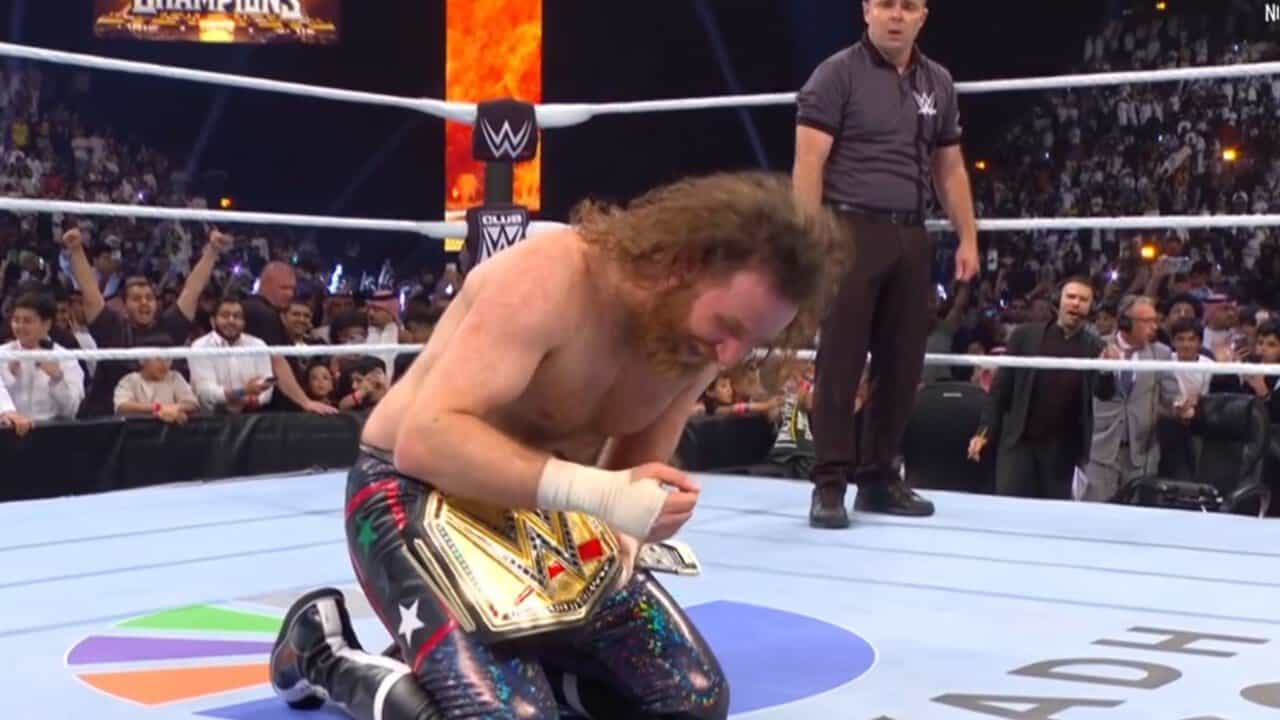
Sami Zayn is holding the WWE Championship, and the internet wrestling community is already debating the expiration date on his run. The sudden nature of Zayn’s title victory has split fans and pundits, with many wondering if this is a genuine run at the top or a brief stunt before WWE pivots back to a traditional heavyweight main-eventer. The victory occurred recently and immediately ignited discussions about booking strategies heading into the summer tour.
Longtime veteran John Bradshaw Layfield stepped into the debate during his guest-hosting stint on the latest episode of the Something to Wrestle podcast. JBL used his platform to reject the idea that Zayn is a temporary placeholder, arguing that the former Bloodline member has earned the right to run with the top prize without an asterisk next to his name. According to the former champion, the company is preparing to give Zayn a legitimate runway rather than using him as a quick bridge between major stars, a significant move as the locker room adapts to a champion who does not fit the typical corporate mold.
The podcast appearance allowed JBL to address the growing chorus of doubters who believe Zayn’s reign will be cut short before the next major stadium show. Rather than dismissing these concerns as typical online chatter, JBL confronted the historical booking patterns that have plagued smaller, character-driven babyfaces. His comments highlight the ongoing tension between traditional booking philosophies and the modern crowd reactions that forced WWE's hand.
Dismantling the Transitional Tag
The Definition of a Mailman
In professional wrestling, a transitional champion is a utility player used to solve a booking problem, historically known as a "mailman" who delivers the belt from one major babyface to another to prevent crowd-splitting matchups. JBL resurrected this old-school term to describe the short-term booking strategy. This tactic was common in the territory days and has resurfaced during roster transitions.
JBL pointed to historical precedents where promoters relied on these stopgaps to protect their long-term plans, specifically mentioning Stan Stasiak, who famously won the WWWF Heavyweight Championship from Pedro Morales in 1973 only to lose it to Bruno Sammartino just nine days later. Stasiak was a human shield designed to keep Morales and Sammartino from having to fight each other rather than the face of the company. JBL insists that Zayn is not operating under this booking restriction.
“You talk about the transitional champions, you know, like Stasiak, at one point. I don’t think Sami’s a mailman, my opinion. I think he’s a champion, and they’re gonna give him a shot. Sami is just a champion, not a transitional champion, not a mailman. I think he should be treated as such.”
By declaring Zayn a real champion, JBL is challenging the booking decisions that often relegate smaller performers to short reigns. The skepticism surrounding Zayn isn't unfounded, as WWE has a history of using popular underdogs to pop a crowd before quickly returning the belt to a larger drawing card. This vote of confidence carries weight because JBL himself was once viewed as a transitional figure, but went on to compile a historic 280 days run after defeating Eddie Guerrero in 2004.
The Underdog Blueprint
The Legacy of Eddie Guerrero and Daniel Bryan
To support his argument, JBL drew direct parallels between Zayn and past beloved underdogs who overcame corporate skepticism to define their eras. He pointed to Eddie Guerrero’s iconic victory over Brock Lesnar at No Way Out on February 15, 2004, which traditionalists viewed as a risky move because Guerrero lacked the imposing physical presence of Lesnar. Backstage officials worried that a smaller champion could hurt ticket sales, but Guerrero proved those doubters wrong by delivering a highly successful reign.
The comparison extended to Daniel Bryan's legendary rise at WrestleMania XXX on April 6, 2014, where Bryan overcame his backstage label of a "B-plus player" through massive fan support. Like Bryan, Zayn has forced the company’s hand through sheer crowd connection rather than corporate design. Zayn’s path to the WWE Championship shares this grassroots momentum, spending years in the mid-card while slowly building a bond with the crowd.
Zayn's Pandemic Mastery and Bloodline Value
Getting Over Without a Crowd
One of the strongest arguments JBL made for Zayn’s championship credentials was his ability to innovate during the difficult pandemic era. When WWE was forced to run shows in the empty Performance Center in Orlando, many wrestlers struggled to adapt to the lack of live crowd feedback. Zayn, however, thrived by transforming his presentation and leaning into a delusional, conspiracy-theorist character who was constantly complaining about corporate bias.
During this period, Zayn utilized the silence of the empty building to his advantage, shouting at the camera crew and utilizing the ring posts as props to generate heat. JBL highlighted this run as proof of Zayn's deep understanding of professional wrestling psychology, noting that Zayn became his own crowd to make the segments work.
“He became his own soundboard. He became his own crowd. It was really entertaining to watch. Some guys just figure out a way to get over. Sami Zayn has always done that.”
This creative resourcefulness was on display again during Zayn's involvement in the Bloodline storyline. Initially brought in as a minor comedy figure, Zayn’s performance as the "Honorary Uce" became the hottest segment on weekly television. The trial segment on Raw XXX and his subsequent turn at the Royal Rumble, where he hit Roman Reigns with a steel chair, drew some of the highest television ratings of the modern era.
The Backstage Skepticism and the Two-Month Verdict
Addressing the Critics
Despite JBL’s glowing praise, Zayn’s championship run faces significant skepticism from industry insiders who doubt his longevity at the top. As reported by WrestlingNews.co, figures like Eric Bischoff have expressed doubts about Zayn’s ability to draw casual viewers. The argument suggests that while hardcore fans love Zayn’s work rate and character depth, he lacks the mainstream appeal required of a flag-bearer for a global entertainment brand.
Critics also point to upcoming media rights transitions as a reason why WWE might prefer a more marketable figurehead. A champion like Cody Rhodes fits the poster-boy image that network executives prefer during corporate negotiations. There are also valid criticisms regarding Zayn’s in-ring booking since winning the title, with some fans noting that his matches have relied heavily on underdog comebacks.
JBL acknowledged that the ultimate test of Zayn's run will play out over the next few months. The creative team’s commitment will be tested as they book Zayn against top-tier heels who will challenge his status as the division's anchor. If Zayn can maintain television ratings and merchandise sales through the summer heat, he will silence the doubters and cement his place at the top of the card.