The Broadview Center Warning Sign
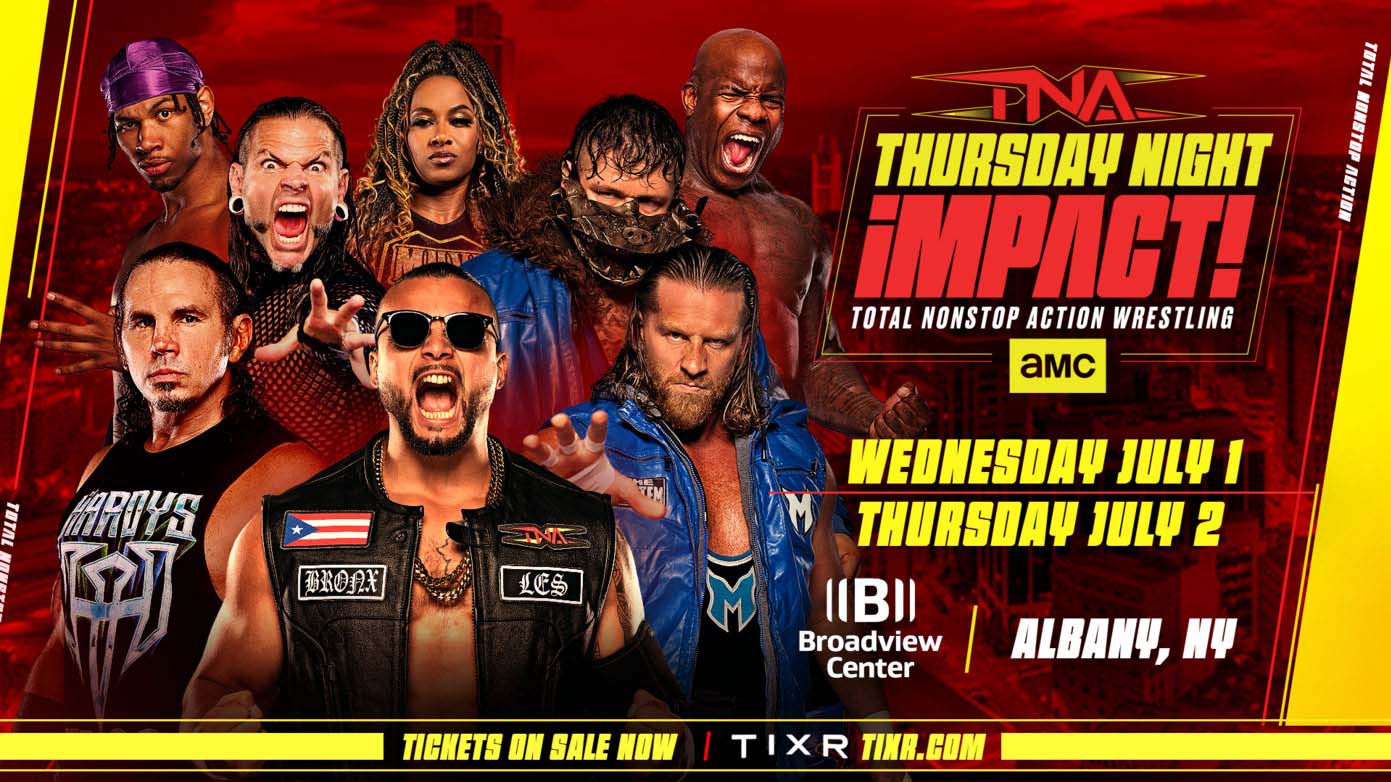
TNA Wrestling’s return to Albany, New York this week served as a stark reminder of the promotion’s current ceiling. The visual at the Broadview Center during the television tapings was sobering. For a promotion trying to reclaim its spot as a viable alternative, the numbers paint a difficult picture.
According to ticket tracking data, TNA distributed just 743 tickets for the tapings. The venue, located on the University at Albany campus, was configured for a modest capacity of 1,337. That represents a disappointing 55.6% fill rate, leaving a visible void in the crowd shots.
Running a two-night television taping in a cold market is a high-risk strategy. As reported by PWInsider, TNA is taping more television tonight in Albany.
Doubling down on a market that refuses to buy tickets is a glaring booking blunder. The promotion cannot afford to broadcast national television shows that look secondary in scale.
The Nostalgia Trap
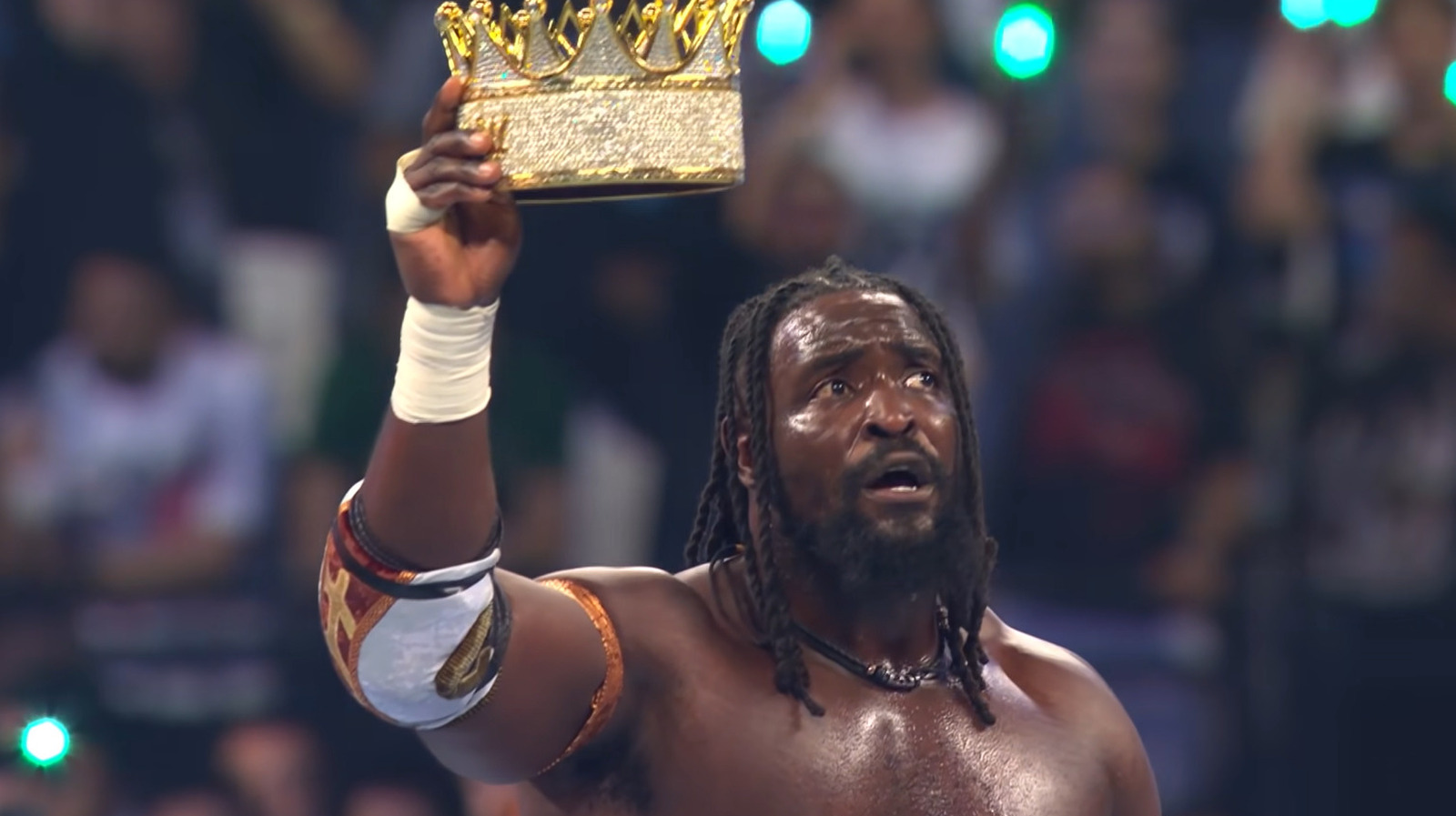
The real issue is the product's inability to draw fresh eyes. Relying on veteran names like Moose, Eddie Edwards, and the Hardy Boyz has kept the baseline stable. But it has done nothing to create the vital buzz needed to fill these small college arenas.
Nostalgia acts can only carry a promotion so far before the law of diminishing returns kicks in. The hard-core fans who want to see the Hardys have already bought their tickets years ago. The general audience wants something modern, fast-paced, and unpredictable.
TNA needs a spark. They need a hard reset on their in-ring identity, starting with the division that once defined them. The X-Division has grown formulaic, packed with multi-man matches that lack emotional stakes or logical progression.
The Emo Outsider's Tactical Blueprint
Enter Scotty Rawk. The British independent standout underwent a tryout match at the Albany tapings on July 2.
According to reports from F4WOnline, Rawk received his invitation via email last week. He wrestled in front of management and thanked TNA officials John E. Bravo, Ingrid Isley, and Daniel Spencer on social media.
Rawk is not just another high-flyer. He represents a different school of British wrestling, trained by former WWE NXT UK personality Sid Scala.
He carries the BWR Heavyweight Championship and the NORTH Ultraviolent Championship. This combination of catch-wrestling fundamentals and raw aggression sets him apart from the typical indie cruiserweight.
Psychology Over Spots
His signature Frog Splash is a thing of beauty. But it is his setup play that warrants close attention. He understands that a high-flying move is only as good as the damage built up beforehand.
He does not just run through a sequence of cooperative spots. Rawk works the torso, using hard-hitting European uppercuts and sharp kicks to wear opponents down before taking to the skies.
This logical ring work is a lost art in modern junior heavyweight wrestling. Too many competitors focus on video-friendly acrobatics that fail to tell a cohesive story. Rawk’s style is grounded in reality, making every aerial attack feel earned.
Wrestling needs characters who feel authentic. Rawk’s emo outsider persona is born from personal battles with anxiety and ADHD. In a midcard populated by generic babyfaces in neon trunks, his dark, intense presence would stand out immediately.
TNA has struggled to build new stars from scratch recently. They have leaned heavily on established names while ignoring the thriving European indie scene. Signing Rawk would signal a shift back to what made the company great: discovering elite, hungry talent before anyone else does.
Rebuilding the X-Division Grid
The X-Division is currently in a state of transition. While the division still delivers athletic spectacles, it lacks the cohesive booking that made it legendary. Too often, matches feel like exhibitions rather than competitive sports contests.
As detailed by WrestleTalk, Rawk's tryout is part of a broader scouting effort by TNA. This is where TNA must make a move.
They already have one premier British talent in Leon Slater, who signed with the promotion late last year. Slater has exceptional athleticism but lacks a defining rival.
Without a proper foil, Slater's spectacular offense risks becoming repetitive. He needs an opponent who can match his speed while anchoring the contest with physical ground work.
The UK Pipeline Solution
Putting Rawk in the same ring creates an instant, high-workrate feud. They could build a modern, UK-centric core that recaptures the magic of the mid-2000s X-Division.
Let us look at a potential match structure. A standard 15-minute contest between Rawk and Slater would feature lightning-fast counters.
We would see Rawk hitting a springboard dropkick to the throat, transitioning into a bridging German suplex, then climbing the turnbuckle for his signature Frog Splash. It is dynamic, physical, and logical.
Instead, TNA has been distracted by side projects. The ongoing Knockouts Television Championship Tournament, which began at these tapings, feels like an unnecessary expansion. When your main divisions are thin, adding more championships only dilutes the product's focus.
The Verdict: Rawk to TNA is a Certainty
TNA management cannot ignore the feedback from the Albany tapings. The lack of ticket sales means they must pivot. They need younger, cheaper, and more exciting talent to build for the future.
We predict TNA will sign Scotty Rawk to a multi-year contract. Expect the announcement to come before the next major tapings in Philadelphia on July 30. He is exactly the type of worker who can re-energize a stagnant television show.
Rawk has paid his dues on the British indie scene for a decade. He has the in-ring IQ, the character depth, and the drive to succeed on a larger stage.
TNA needs him just as much as he needs them. If they let him walk away, it will be another missed opportunity for a promotion that cannot afford many more.