The eternal debate Vince McMahon left behind
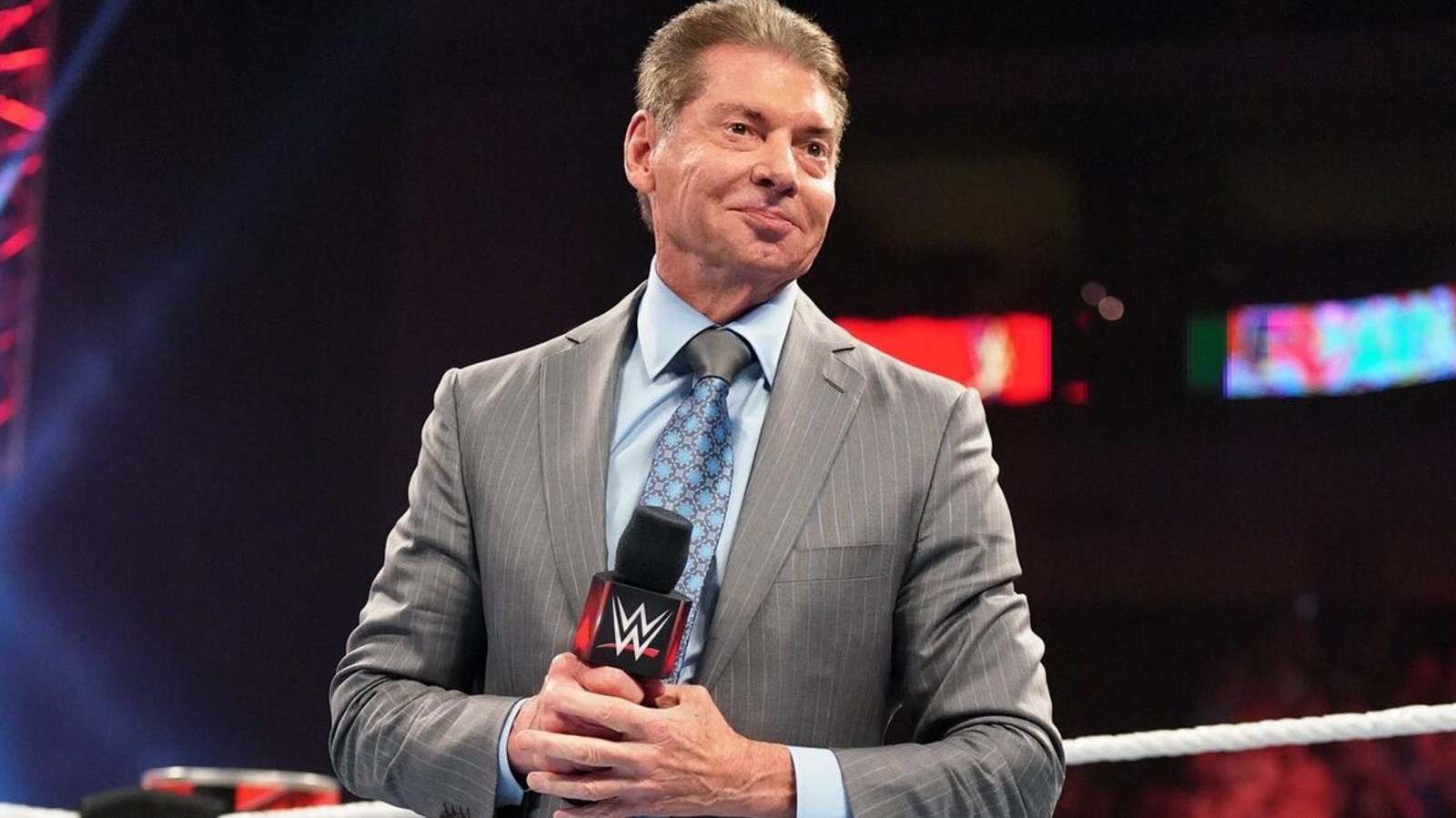
If you have spent even five minutes scrolling through wrestling Twitter or diving into a Reddit thread this week, you know the community is back at it again. The ghost of Vince McMahon’s terminology filter is haunting the timeline after Bully Ray dropped some commentary explaining why Vince spent decades trying to erase the words "pro wrestling" from the WWE dictionary. According to Bully, Vince wanted to distance the product from old-school regional wrasslin' to sell standard corporate advertisers on high-concept "sports entertainment."
Naturally, the Internet Wrestling Community took that explanation, dissected it, and turned it into an all-out turf war. Half the fans are praising the business savvy of tricking Madison Avenue into buying tickets to a circus, while the other half are screaming into the void that calling a wrestling show anything other than wrestling is pure blasphemy. Add in the rollout of fresh indie-flavored digital content like Maple Leaf Pro Wrestling's recent episodes, and the divide between corporate gloss and raw ring action has never felt wider.
The corporate realists versus the purist internet marks
Over on the forums, the discourse is split down the middle with zero room for middle ground. The sports entertainment apologists are out here armed with stock charts and TV rights fees. One vocal subset of fans argues that without Vince re-branding the genre in the eighties, the industry would still be playing smoke-filled bingo halls in front of three hundred people. In their eyes, accepting the shiny "sports entertainment" banner was the necessary evil that built billion-dollar stadium shows like SummerSlam and WrestleMania.
Then you have the purists who absolutely detest the sanitized corporate buzzwords. Their take is simple: when you start calling wrestlers "sports entertainers" and title belts "championship titles," you strip the soul right out of the ring. They point to international promotions and smaller indie revivals as proof that fans actually want hard-hitting in-ring story telling without the Hollywood melodrama. To them, the term "sports entertainment" was always just a insecure billionaire trying to pretend he wasn't running a wrestling company.
Why both sides are right and missing the point
Here is my take from the bar stool: both sides are yelling at the wall because they are arguing two completely different things. Vince McMahon was 100% right from a ruthless capitalism standpoint. Advertisers in 1989 looked down on professional wrestling like it was a carnival scam, so repackaging it as mainstream family entertainment saved the business from dying on syndicated midnight television. It was a genius marketing ploy that made him a billionaire and turned the company into a pop culture juggernaut.
But the purists aren't wrong either. The problem is that WWE got so high on its own supply that it started treating the actual wrestling like a dirty secret. When you ban terms like "belt," "hospital," and "fans" for two decades, your show starts sounding like a corporate press release written by a boardroom executive who has never seen a body slam. You can respect the business move while still admitting that the scripted dialog often sounded fake and forced.
The modern scene proves there is room for both
Look at what is happening today in the post-Vince ecosystem and across the digital space. Fans are eating up episodes of MLP After the Bell and watching grassroots promotions rebuild regional brands with a slick modern presentation. We live in an era where you can watch a stadium show loaded with pyro and celebrity crossovers on Saturday, then tune into a gritty, workrate-heavy studio show on Sunday night without your brain exploding.
The internet loves a binary fight, but the reality is that wrestling needs both ends of the spectrum to survive. You need the billion-dollar spectacle to draw the casual crowd, and you need the hard-nosed wrestling focus to keep the diehard core engaged. Vince McMahon’s corporate branding strategy won the business war decades ago, but the fan obsession with authentic pro wrestling is never actually going to die out.