The state of tag team wrestling in 2026
Tag team wrestling is fundamentally a game of geometry. It is about cutting off angles, isolating the injured component, and manipulating the referee’s line of sight. Over the past five years, WWE has largely abandoned these structural constraints in favor of high-octane sprint matches. The current meta prioritizes double-team spots and synchronized diving over the slow, agonizing build to a hot tag.
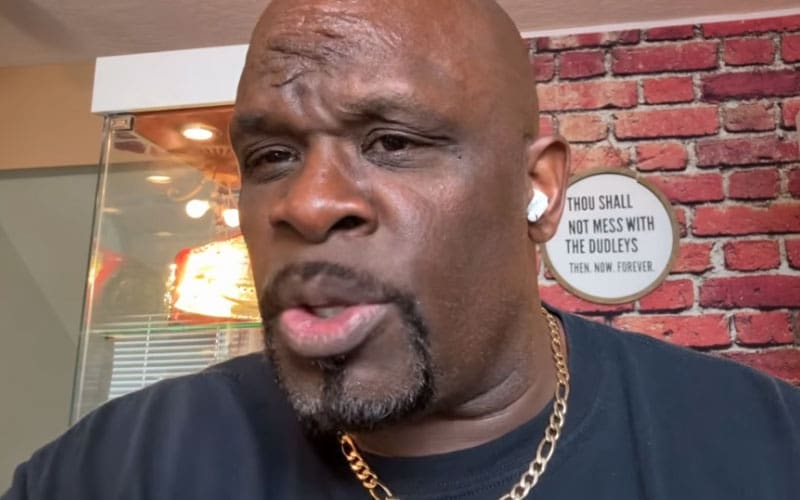
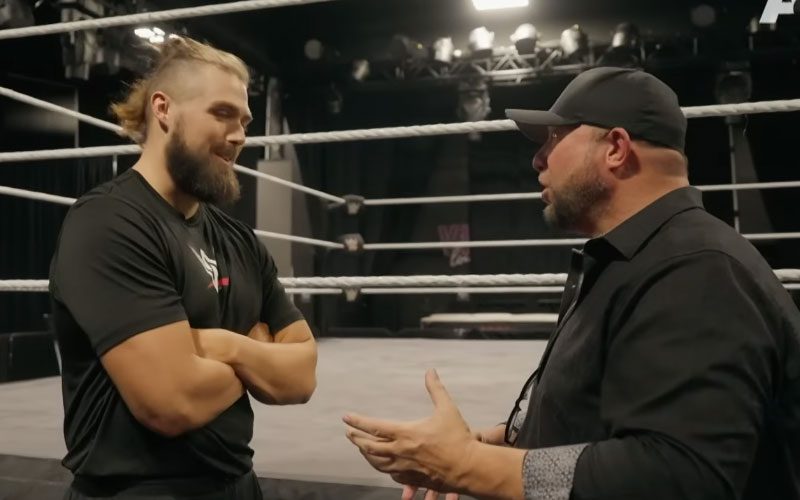
That structural decay is exactly why the events of the May 3 edition of WWE LFG matter. The show was billed as an early-season turning point, and it delivered on that promise entirely through the insertion of Bubba Ray Dudley. When tempers flared leading into the first major tag match of the LFG season, it wasn't just a standard developmental angle. It was an indictment of how the modern roster works a tag match.
Dudley’s brutal honesty wasn't an act. It was a technical review of a crumbling division. He understands that heat isn't generated by hitting your opponent hard. It is generated by making the crowd beg for a tag that you repeatedly deny them.
The lost art of the cut-off
If you watch the tape of the Dudley Boyz from 2000 to 2005, their peak efficiency wasn't in putting people through tables. That was just the punctuation mark. Their real genius was in the cut-off. They mastered the exact timing required to pull an opponent back to their corner just as his fingertips grazed his partner's hand. It is a psychological manipulation of the crowd that requires precise spacing.
Modern WWE teams struggle with this spacing. They rely on sheer athletic output. You see it constantly on Raw and SmackDown. The heel team dominates, but there is no struggle. The babyface takes moves, waits for the cue, hits an explosive counter, and makes the tag. The tension is synthetic. There is no fight for position.
This is where the LFG platform is uniquely positioned to correct course. By placing an established master of ring psychology into the mix, you force the younger talent to slow down. Bubba Ray is demanding that these teams understand the mechanics of isolation. He is forcing them to work the left arm, to trap the leg, to use the ropes as a weapon rather than just a launching pad.
Where the post-WrestleMania 41 booking failed
We need to be honest about the state of the roster following WrestleMania 41 in Las Vegas. While the main event scene was entirely consumed by the Bloodline drama and the Cody Rhodes championship defense, the tag team division was left to atrophy. The booking has been remarkably lazy. Instead of building cohesive units with shared offensive philosophies, creative has defaulted to throwing two singles wrestlers together who have vaguely aligned grudges.
This is the primary failure of the current era. A tag team should not just be two guys wearing the same color trunks. They should have tandem offense that makes logical sense. When one goes high, the other should go low. When one distracts the referee, the other should be exploiting the blind spot.
The May 3 episode of LFG highlighted this exact deficiency. The tempers that rose weren't just storyline frustration. They mirrored the real-life frustration of a division that lacks direction. Bubba Ray Dudley calling this out on television is the first step toward fixing it. But acknowledging the problem and executing the solution are two very different things.
The LFG proving ground
WWE LFG has carved out a distinct space in the weekly programming block. It exists somewhere between the polished, high-budget spectacle of the main roster and the raw, experimental nature of developmental territories. It is a sandbox, but one with incredibly high stakes. The cameras are rolling, the audience is engaged, and the executives in Stamford are watching the metrics closely.
Because it operates slightly under the radar compared to Raw or SmackDown, LFG is the perfect environment for this kind of structural overhaul. If you try to fundamentally change the pace of a tag team match on a three-hour Monday night broadcast, the live crowd might revolt. They have been conditioned to expect a certain high-speed output from the main roster product. But LFG viewers are more analytical. They are invested in the process of building a superstar.
This environment allows a veteran to strip a match down to the studs. He can explicitly instruct a team to hold a rest lock for an extra thirty seconds, just to see if they can maintain the crowd's emotional investment through pure facial expressions and body language. It is a laboratory for ring psychology, and the results from May 3 indicate that the experiments are becoming increasingly volatile.
You can see it in the way the production is handled. The hard cam isn't constantly cutting every time an impact happens. It lingers. It allows the viewer to absorb the negative space in the ring. This is terrifying for a young performer who relies on rapid camera cuts to hide sloppy footwork. Under this microscope, every misstep is amplified. If you are out of position during a spot, the whole world sees it. That kind of exposure forces you to tighten your mechanics, which is exactly the point of having a veteran like Dudley dissecting the performances.
The Backlash implications
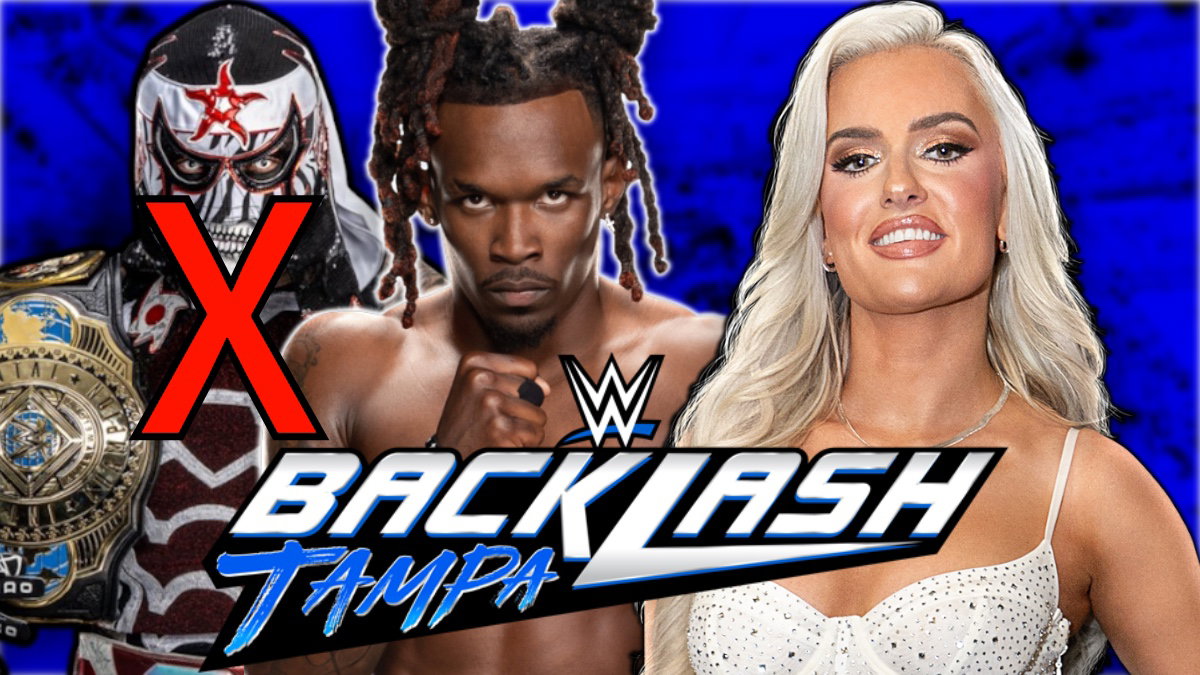
With WWE Backlash 2026 looming on May 9, the timeline to correct these issues is incredibly tight. The fallout from LFG is going to bleed directly into the premium live event. The upcoming tag match isn't just about advancing a localized angle. It is a stress test for the entire division.
If the teams involved simply revert to the indie-style sprint format—trading near-falls and spamming superkicks—then Bubba Ray’s intervention will have been entirely performative. But if we see a deliberate pacing adjustment, a focus on cutting the ring in half, and a genuine struggle for the hot tag, it will signal a massive shift in WWE’s developmental priorities.
I will be watching the spacing. I want to see if the heel team actively works to pull their opponent away from his corner. I want to see if they utilize the five-count properly when breaking the rules. I want to see if they understand that a simple chin-lock, applied with malice at the correct moment, generates more audience investment than a double-springboard moonsault.
A brutal assessment of the current meta
Let’s dig deeper into the analytical side of this issue. Tag team wrestling is essentially a resource management game. The primary resource is stamina, and the secondary resource is the referee's attention span. Teams that fail to manage both inevitably lose.
In a standard two-on-two contest, the heel team has a distinct mathematical advantage if they exploit the tag rules. By isolating one opponent, they create a functional two-on-one scenario. They can cycle their stamina, tagging in and out to stay fresh, while grinding down the isolated babyface. This should be Wrestling 101. Yet, if you look at the match data from the past six months, the frequency of sustained, heat-building isolation segments has dropped significantly.
We are seeing too many matches where the babyface in peril manages to hit an offensive flurry out of nowhere, completely negating the preceding five minutes of damage. It breaks the internal logic of the contest. If a wrestler’s knee has been systematically dismantled by focused attacks, he should not be able to hit a standing dropkick to create separation. The physics of the match break down, and the audience subconsciously disengages.
What to watch for tonight and beyond
As we process the fallout from the May 3 LFG episode and look toward Backlash, the scrutiny on the tag division will be intense. The involvement of a veteran voice changes the grading curve. We can no longer excuse sloppy psychology as mere youthful exuberance.
Watch how the teams enter the ring. Watch their pre-match communication. Do they look like a cohesive unit, or do they look like two independent contractors waiting for their cues? Watch the first tie-up. Who dictates the pace? Who establishes the initial ring positioning? The team that controls the center of the ring in the first three minutes usually dictates the psychological flow of the entire match.
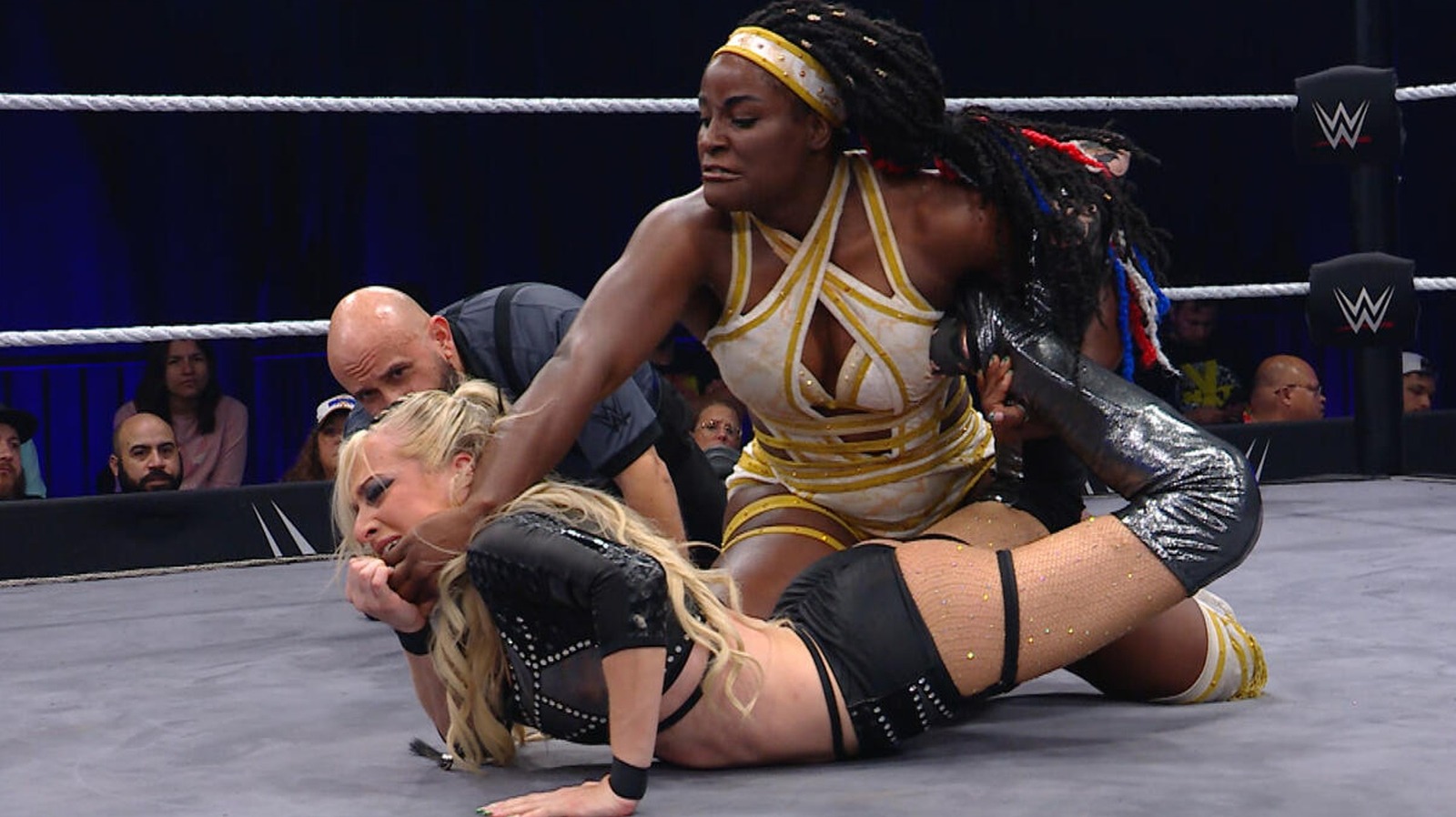
I also want to look closely at the referee's discretion. The best heel teams know exactly how far they can push the official before drawing a disqualification. They bend the rules until they nearly snap, taking advantage of the referee's blind spots. The current crop of talent tends to ignore the referee entirely, treating them as a background prop rather than an active participant in the match's narrative. Dudley built an entire Hall of Fame career on referee manipulation. If he hasn't drilled that into these teams by now, it is a massive missed opportunity.
Bubba Ray Dudley’s brutal honesty was the necessary spark. He tore down the facade of the current tag division and exposed its structural weaknesses. Now, the burden of proof is on the talent. They have been given the blueprint for success. They have been shown the exact flaws in their execution.
The Final Verdict
Prediction: The upcoming clash at Backlash will be jarring for fans accustomed to the modern sprint style. It is going to be slower, meaner, and far more deliberate. The heel side will grind them down until the 14-minute mark before allowing the hot tag. The crowd will get restless, and that restlessness will organically convert into pure, unadulterated heat.
When the hot tag finally happens, the roof will come off the building. The babyface will clear the ring, the pace will temporarily skyrocket, and the ensuing chaos will feel earned rather than forced. Expect a finish that relies on a blind tag or a clever manipulation of the referee’s positioning, rather than a clean pinfall following a finisher.
This is the reset the division desperately needed. Bubba Ray Dudley isn't just talking. He is forcing a necessary regression. He is making them go backward to relearn the fundamentals before they can move forward. And if they listen, Backlash 2026 will feature the best tag team match WWE has produced all year.