The return to the ring
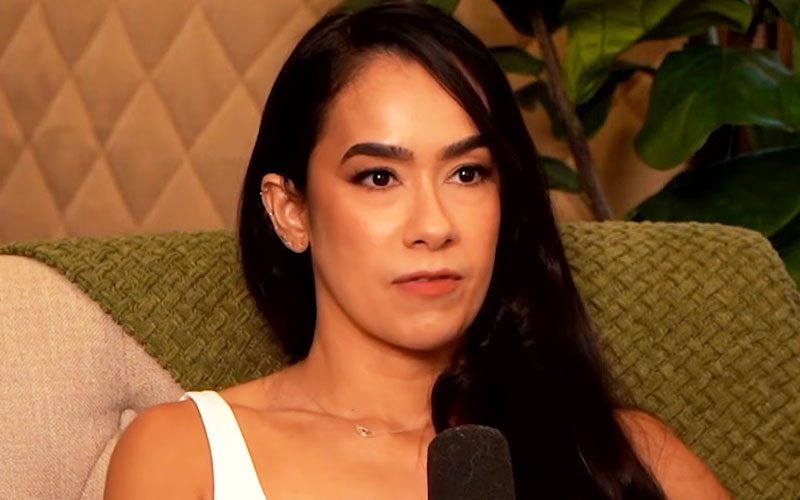
AJ Lee returning to a WWE ring was never a question of talent. It was entirely about whether the company had grown enough to protect the people behind the personas. After stepping away for a decade, she finally opened up about the genuine fear that being back in the machine might trigger her past mental health struggles, as Ringside News noted.
We are watching a shift in how WWE treats its veteran roster. The days of simply burning through human capital to fuel a house show loop are fading. Instead, the focus has pivoted toward internal health, a move that provides the stability needed for stars like AJ Lee to feel safe enough to perform.
The evolution of wrestler-management relations
Look at the way the company handles someone like Big E. He is currently documenting his own journey through depression and psychosis in an upcoming memoir, a project that highlights the harsh reality of the industry, according to WrestleTalk reports. This isn't flavor-of-the-month PR. It is an acknowledgment that the industry requires a 360-degree look at worker wellbeing if it wants to keep marquee names on the marquee.
AJ Lee’s return specifically relies on this structural support. She has been vocal about the importance of CM Punk’s support during her reentry into this environment. When you look at how the locker room dynamic has changed, the move toward providing mental health breathing room becomes a distinct competitive advantage over smaller promotions.
The booking ceiling
Despite the improved culture, there is a clear danger in relying on nostalgia to drive the main event. It is a classic move to drag former heavy hitters back into the fold when creative feels stale. While AJ Lee’s return serves as a fantastic bridge between an older generation of fans and the current product, it sets a dangerous precedent.
If WWE relies on these returns to pop ratings instead of building new stars from the ground up, the long-term impact on the division suffers. We have seen this book get written before—it leads to short-term spikes followed by a decade of stagnation. The reliance on legacy talent, despite how well it is managed now, is ultimately a band-aid on a bigger creative wound.
My take? The return hits harder than any recent title change. It serves as a litmus test for whether the company can handle high-profile talent without the usual burnout. If they stick to this 100 percent focus on balancing mental health with on-screen spectacle, the company wins big. If they lean too hard on the name value of the past, they miss the chance to crown the next generation of icons.