When wrestling personalities lose their grip on the main event
The transition from the squared circle to the digital void
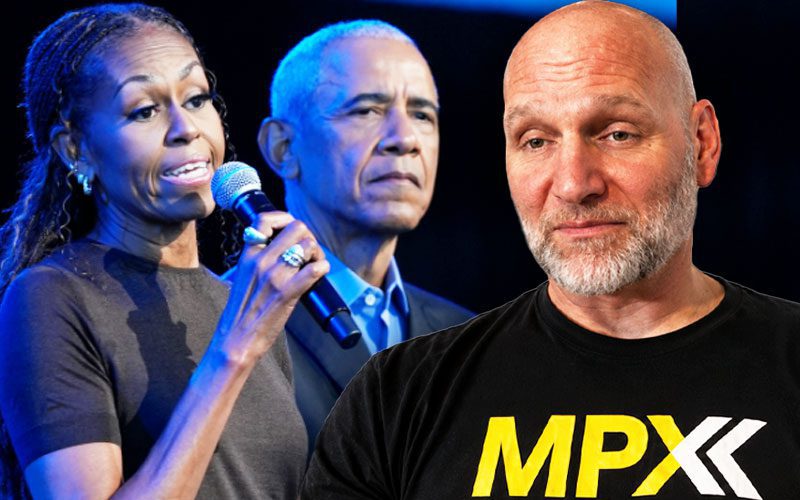
Professional wrestling thrives on the blurring of lines between performance and reality. We expect characters to be larger than life, but the current drift of aging stars toward extreme, non-wrestling controversies creates a bizarre dissonance. When a former talent like Val Venis pivots from mid-card prestige to fringe-political obsession, it forces the audience to confront a difficult reality about their own fandom.
The craft of pro wrestling is built upon internal logic. You learn how to sell a back body drop, how to measure the distance for a clothesline, and how to manipulate a crowd’s energy over a 20-minute window. Yet, these skills appear to have little application in the modern digital public square. Instead, we see former performers substituting technical sequences for high-volume, erratic claims about public figures like Barack and Michelle Obama, as noted in a recent report by Ringside News.
The cost of chasing headlines outside the ring
From an analytical standpoint, this serves as a cautionary tale on the mechanics of relevancy. For years, the move set was the primary currency. Whether it was the Money Shot or a simple, perfectly timed vertical suplex, professional validity was measured in ring time and crowd reaction. When that validation fades, some performers struggle to adapt, eventually finding a substitute drug in the viral cycle of social media outrage.
The tactical failure here is an inability to read the room. Just as a wrestler must recognize when a match has gone stale or when a finish isn't connecting, talent must understand the boundaries between their legacy and their public persona. Engaging in conspiratorial rhetoric under the banner of a former WWE persona does not build a career. If anything, it erodes the equity established during decades of televised work. It transforms a wrestler from a performer into a nuisance.
The disconnect between performance and platform
In the ring, the objective is controlled storytelling. You have a referee, a set of rules, and a physical space that demands performance excellence. These Twitter-based rants are the antithesis of this discipline. They lack the structure of a coherent feud and the rhythm of a match. They are sloppy, disjointed, and ultimately detrimental to the brand of the individual involved.
If we view a wrestler’s public profile as their gimmick, the current trajectory is a botched finish. You don't get a second chance to debut a character. Once a wrestler decides to prioritize inflammatory, unverified claims over their industry expertise, they essentially stop being a worker. They become a noise generator. It is a massive missed opportunity for former legends to offer actual insight into the industry they once helped build. When the noise reaches a certain volume, it creates a feedback loop that destroys any potential for a legacy spot or a nostalgic return.
We have to demand more from those who shaped our Saturday mornings. The loss of perspective is staggering. Rather than analyzing the tactical shifts in modern work-rate or discussing the impact of new training protocols, we are left looking at incoherent social media posts. The industry deserves better, and more importantly, the performers themselves are worth more than the toxic content they feel compelled to produce. If you aren't going to talk about wrestling, why insist on using the spotlight built by it? It is a question that remains at the heart of this decline.
WWE Cody Rhodes 'And Still' Undisputed Champion T-Shirt
Celebrate the American Nightmare's dominant championship reign.
Frequently Asked Questions
Why do some former WWE stars turn to controversial digital content?
How does engaging in conspiracy theories affect a wrestler's legacy?
What is the primary difference between in-ring performance and social media?
What specific behavior by Val Venis is mentioned in the article?
How does an obsession with digital outrage impact a wrestler's career?
More Coverage
On This Day in Wrestling: June 21
an hour agoWWE returns to Cardiff with questions about the summer tour schedule
4 hours ago
Pete Dunne playing indie bingo and Punk's weird moonlight gig
4 hours ago
Natalya's endurance remains the standard as WWE's locker room evolves
4 hours ago
Top 10: Defining WWE Moments of the Modern Era
5 hours ago
WWE’s current roster churn is a massive scouting failure
5 hours agoMore Analysis
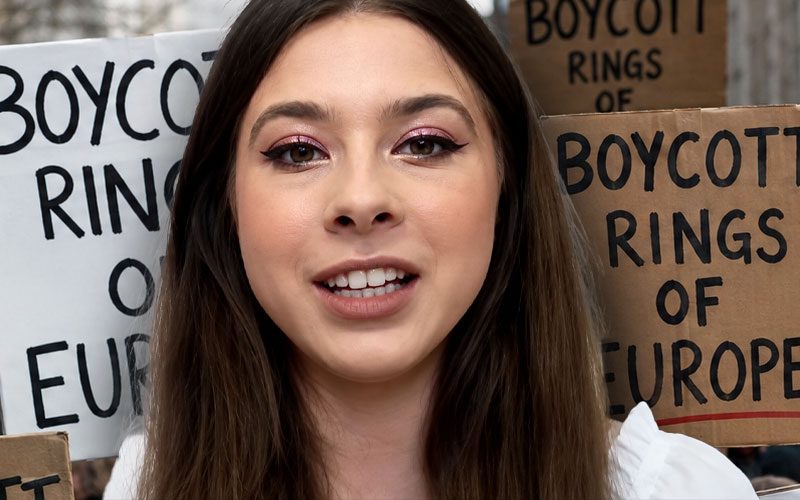
Talent revolt leaves Rings of Europe on the brink
an hour agoOn This Day in Wrestling: June 21
an hour agoForbidden Door reaches a breaking point as the shine wears off
an hour ago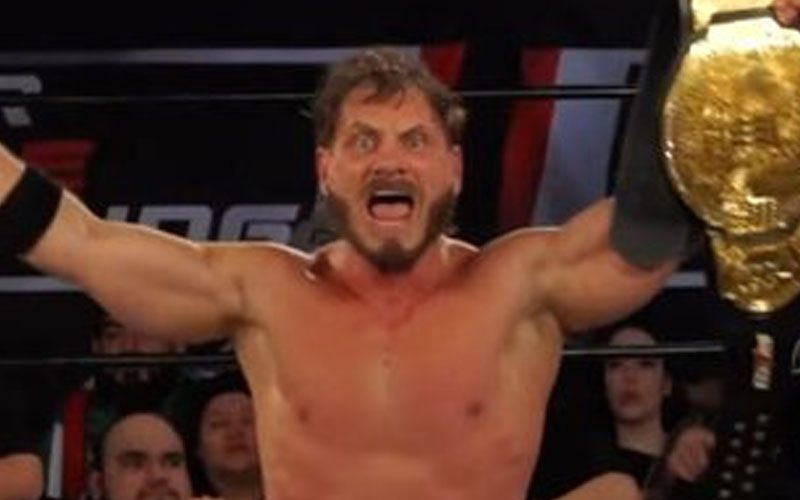
Austin Aries winning MLW gold is a fever dream we didn't ask for
2 hours ago
Shelly Martinez and the reality of post-wrestling career pivots
2 hours ago