Kit Wilson sidelined for Barcelona SmackDown
Kit Wilson missed the latest edition of WWE SmackDown held in Barcelona, Spain. The Pretty Deadly member took to social media to publicly apologize to the fans for his absence during the international tour. Logistical complications involving regional transit proved fatal to his scheduled appearance at the event.
The issue stems from travel disruptions that prevented Wilson from reaching the venue in time for his call sheet. While global wrestling tours are notoriously tight on scheduling, missing a live broadcast in a key international market like Spain is a significant operational failure. WWE production teams often work with minimal buffers during European tours to maximize market presence.
Professional standards and tour logistics
Travel-related absences are a recurring nightmare for wrestling promotions during short-turnaround international tours. A missed appearance impacts the booked card and diminishes the value of the television broadcast for local fans who paid for a full roster experience. The reliance on commercial flight schedules frequently creates friction when regional strikes or delays compound.
This scenario highlights the inherent brittleness of moving a large talent roster across borders in under 48 hours. When a gear bag or a flight schedule fails, there is no depth chart to replace a performer of Wilson's specific character work. The booking team likely spent the remaining hours scrambling to adjust the mid-card flow or find a substitute opponent for an impromptu dark match.
The broader impact on tag team continuity
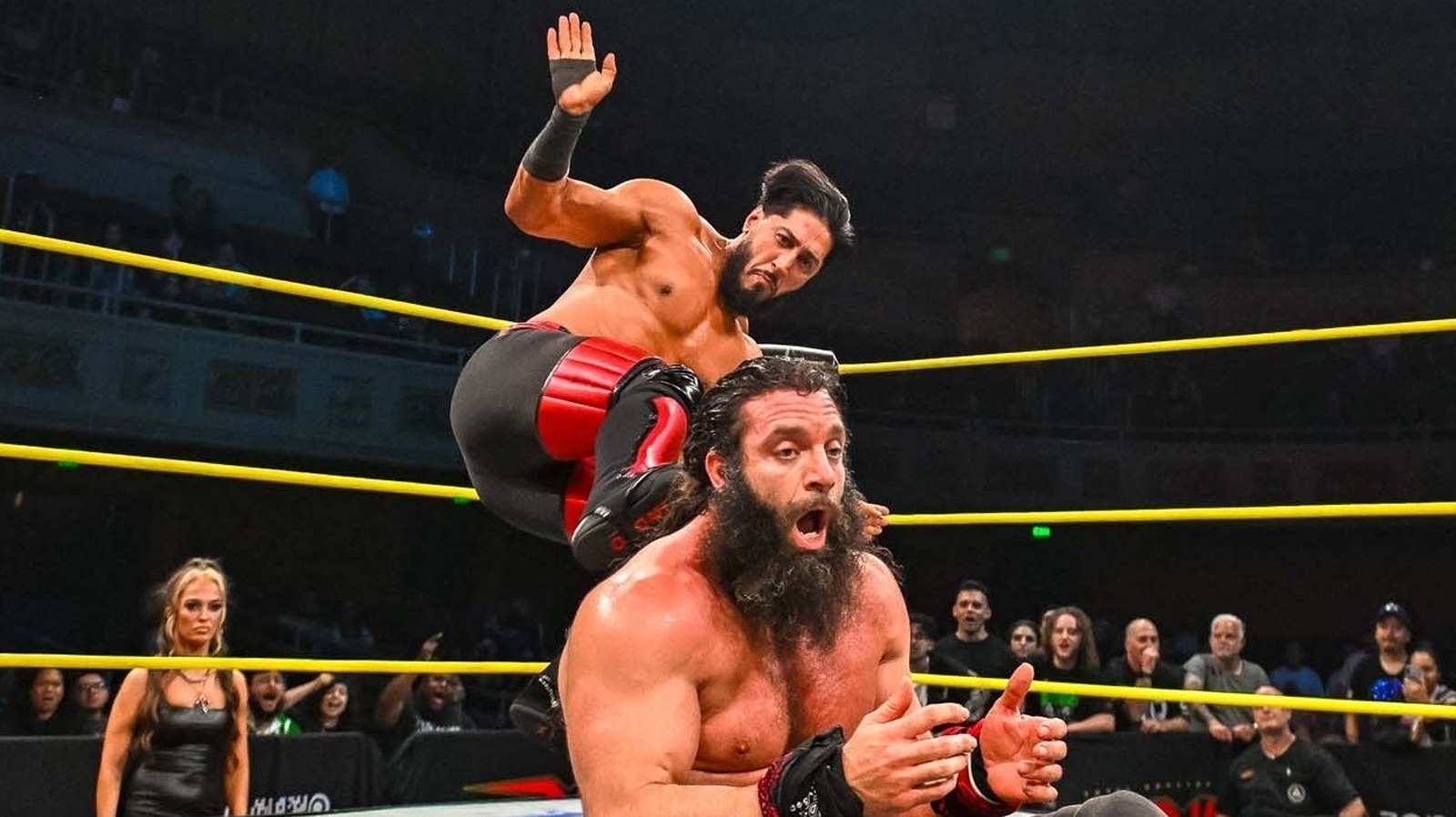
Pretty Deadly relies on the synchronization between Wilson and Elton Prince for their heel heat. When one half of a tag team goes missing, the entire narrative arc of that unit stalls. Without Wilson, Prince is left to either work a singles match or stand on the apron in a non-wrestling capacity, which rarely advances the tag team division's progress.
Promotions have often struggled with this, as evidenced by how Wrestling Inc previously reported on the constant pressure talent faces during these transit windows. The lack of contingency backups for specialized tag teams remains a glaring spot in mid-card management. If Wilson cannot reach the next scheduled stop, the brand risks alienating local audiences who expect the roster they saw on marketing materials.
Historical context of transit failures
Professional wrestling history is littered with show delays due to transit. Wrestlers being stranded by weather, mechanical engine failures, or customs issues has been a staple of the industry since the territorial days. However, modern production expectations demand a higher level of reliability than the industry consistently achieves.
In 2019, a massive flight delay leaving Riyadh effectively crippled the following episode of SmackDown, forcing the company to fly in NXT talent to fill the gap. While Wilson’s absence is localized to one talent, it reflects the same underlying inability to control external logistics. Management must decide if the costs of these international swings outweigh the risks posed by volatile regional transport hubs.
Analysis of the scheduling mishap
The decision to keep the SmackDown tour moving despite tight transit windows is a calculated risk that often fails to pay off for the talent. From a creative standpoint, one wonders why there isn't a robust plan to cycle talent through these tours with a 12-hour buffer zone for emergencies. Relying on talent to navigate complex flight logistics during high-pressure travel windows is a recipe for missed appearances.
Moving forward, the company must streamline these deployments to prevent individual travel snags from bleeding into the product. It is professionally irresponsible to leave high-visibility on-screen talent at the mercy of airline reliability during a broadcast week. The 5 million fans tuning in globally expect a polished product, not a series of technical absences caused by transit incompetence. Until travel protocols are tightened, these incidents will remain a predictable flaw in the annual international circuit.