Measuring the cooling appetite for blue brand television
The May 22, 2026 episode of SmackDown provided a thin data point for a promotion that needs to capture momentum before the World Cup distracts the casual audience. While recent viewership reports suggest a slight uptick, the move is statistically negligible compared to the broader trend of stalled growth in 2026. If the promotion cannot consistently drive double-digit growth in the P18-49 demo, minor weekly fluctuations are just noise.
We are watching a product caught between the legacy of traditional cable scheduling and the realities of modern streaming consumption. The decision to air WWE EVOLVE on Tubi on May 27 acts as a necessary pipeline for talent, but the metrics are tellingly modest. Take the May 1 taping from the Performance Center as an example: the main event between Harlem Lewis and Braxton Cole lasted only 4:51 before ending in a disqualification. Booking a DQ finish for a mid-tier promotion show in under five minutes does nothing to build a case for secondary show relevance.
The King and Queen tournament paradox
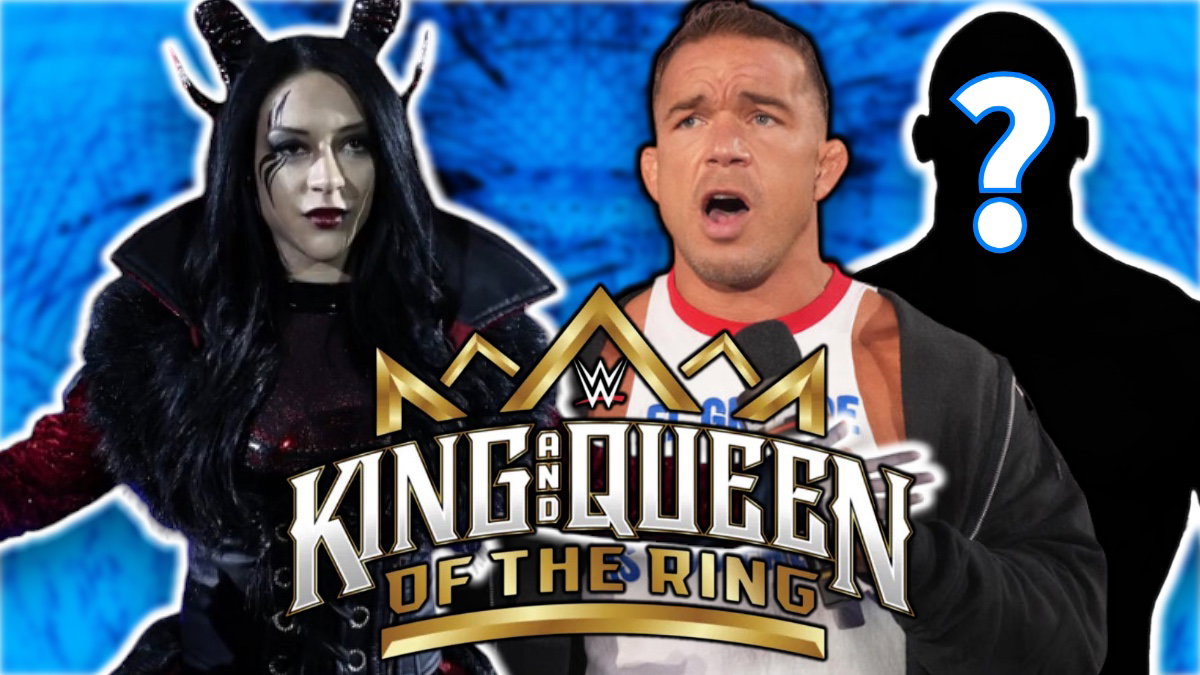
WWE is betting heavily on the 2026 King and Queen of the Ring tournaments to fill the programming void. With the opening rounds scheduled for June 1 on Raw, the creative team is relying on surprise returns to mask the lack of deep mid-card stories. Early reports indicate 7 returns are planned for the bracket, a classic booking crutch used to generate short-term 'pop' ratings rather than fostering new, sustainable stars.
Using returns to drive tournament engagement is a high-variance strategy. If three or four of these returns are legacy acts, the booking fails to solve the underlying problem of elevating the lower-third talent roster. Tournament finals set for the Night of Champions event need to be more than just high-profile matches; they need to function as a vehicle for a legitimate trajectory change for the winners.
The statistical gap in tournament booking
Compare the current buildup to the upcoming finals to previous years. The scarcity of established contenders to anchor these tournaments suggests the roster depth is being stretched thin by the sheer volume of hours required for Raw, SmackDown, and peripheral shows like EVOLVE. Relying on surprise participants often indicates that the current creative direction isn't yielding organic contenders.
The mathematical reality is that you cannot trade on nostalgia forever without cannibalizing your future metrics. When a promotion defaults to recycling characters rather than committing to a 20-minute iron-man style showcase or a breakout tournament run for a rookie, it signals a lack of confidence in the current performance pipeline. Unless the June 1 Raw kickoff shows a sustained shift in viewership, the tournament structure remains a bandage on a structural booking deficit.