The Big Picture
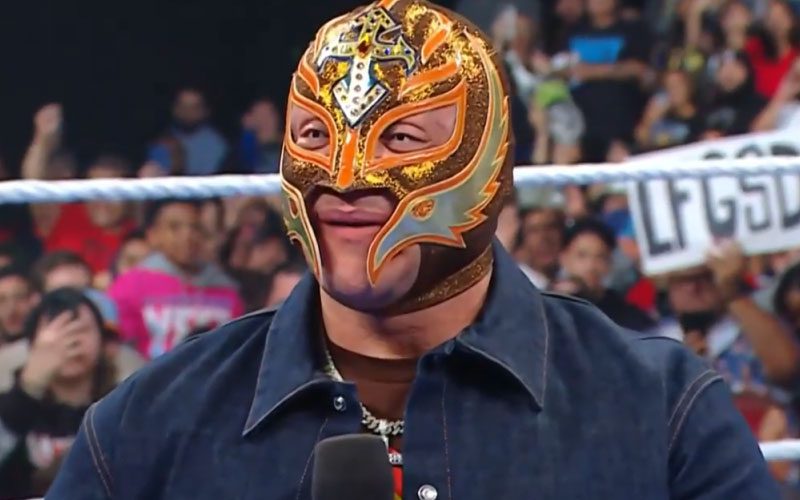
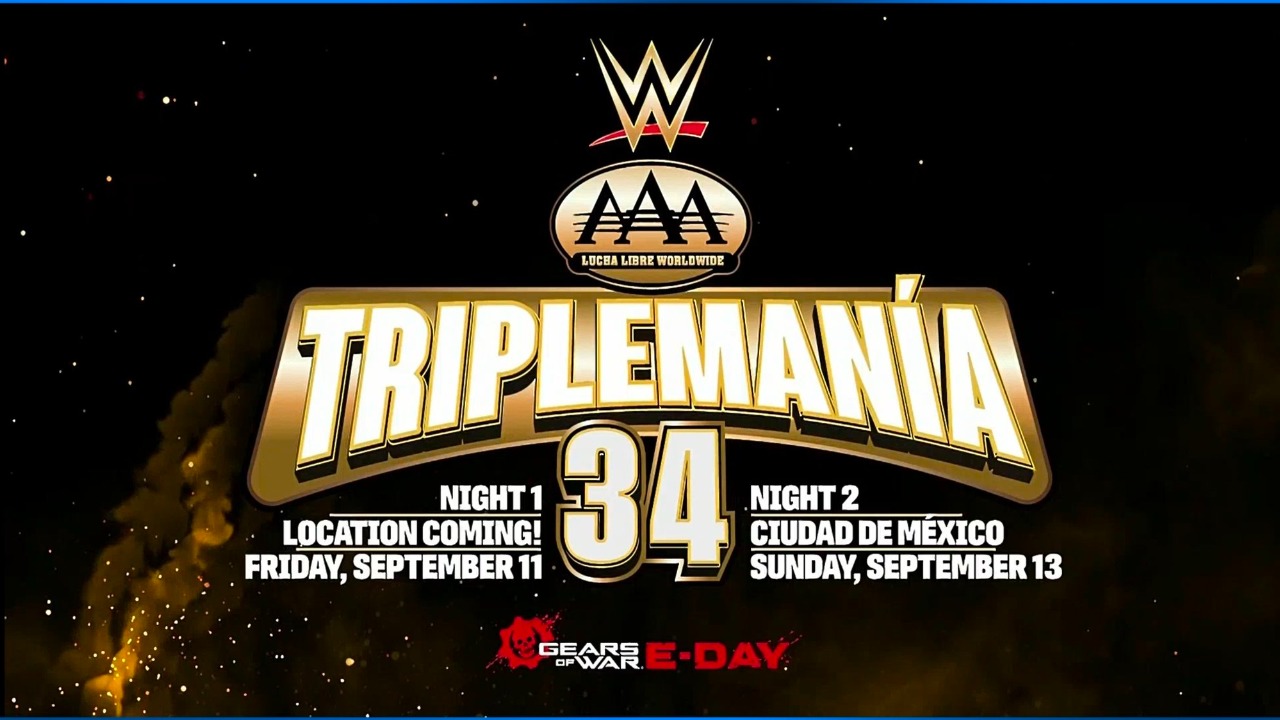
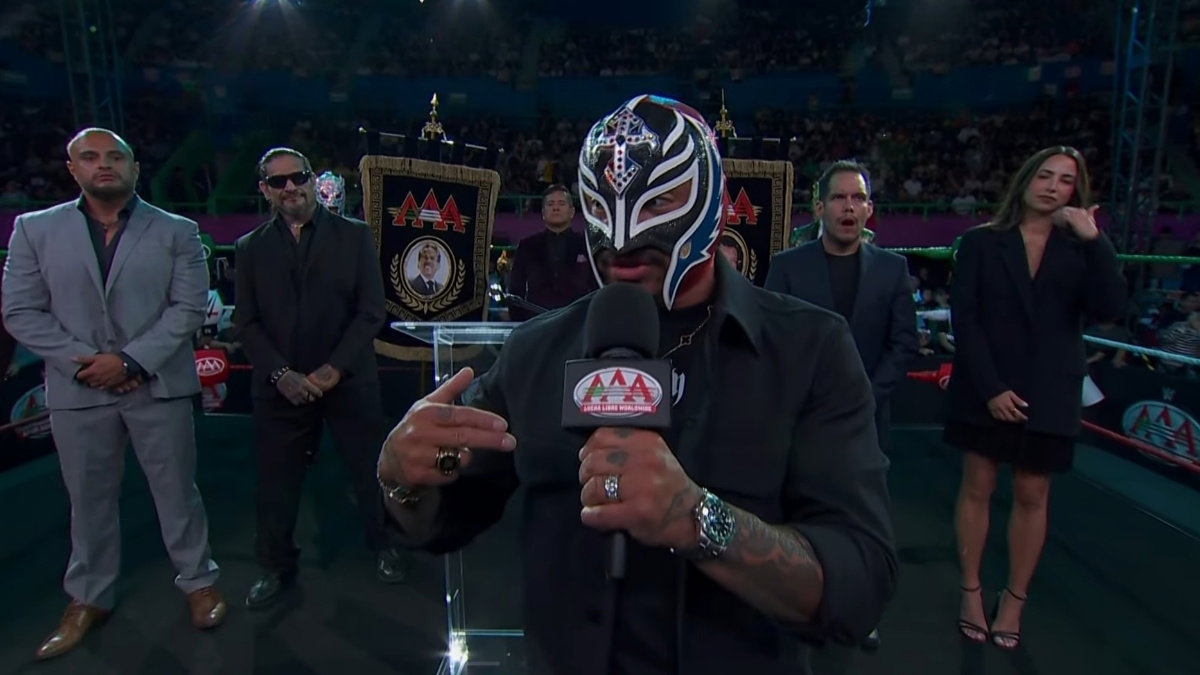
Wrestling promotions live and die by their decision-makers, both behind the curtain and in front of the cameras. On May 24, 2026, Lucha Libre AAA Worldwide shook up the industry by officially crowning Rey Mysterio as their new General Manager ahead of Noche de los Grandes. This shock announcement, which sent shockwaves through both WWE and Mexican wrestling circles, highlights the critical importance of the authority figure in modern storytelling. This is our definitive ranking of the ten most influential, heat-seeking, and game-changing managers and general managers in pro wrestling history.
The Rey Mysterio Catalyst
The announcement that Rey Mysterio is the new WWE AAA General Manager has immediately shifted the wrestling board. As reported by F4WOnline, the legendary high-flyer took the reins during a monumental AAA broadcast, a move that PWInsider confirmed ahead of the Noche de los Grandes event. While Mysterio represents the modern era of cross-promotion and star power, he joins a long, storied lineage of figures who ruled promotions with a microphone, a contract, or a megaphone. To celebrate this historic hiring, we are ranking the ten absolute best managers and authority figures to ever grace the squared circle.
The Rankings
Rank 10: Rey Mysterio
Mysterio's appointment as the new General Manager of AAA marks a massive shift in Lucha Libre power. By stepping into this authority role ahead of Noche de los Grandes, the masked icon brings instant global credibility to the promotion. The decision is a fascinating booking gamble given Mysterio's active babyface status in WWE, raising questions about cross-promotional alignment. He lands on this list because of the sheer political clout required to bridge these two corporate worlds. While his executive decision-making remains untested, his presence commands immediate respect.
Rank 9: Teddy Long
Teddy Long defined the SmackDown brand during the ruthless aggression era as the king of impromptu tag team matches. Long did not need to scream; he controlled the roster by dancing down the ramp and threatening heels with a bout against The Undertaker. His formulaic booking became a running joke, yet it consistently saved segments and gave the blue brand a reliable identity. He ranks ninth because he was a pure babyface authority figure who never overshadowed the talent in the ring. Critics argue his booking lacked depth, but the crowd reaction was always electric.
Rank 8: William Regal
Regal brought unmatched dignity, menace, and technical authority to the screen, notably as the General Manager of NXT. Unlike other authority figures who relied on cheap heat, Regal commanded respect with a quiet glare and a deep voice. His signature exclamation of "WarGames" became an annual highlight, transforming a simple match announcement into a must-see event. The former European Champion excelled at making championships feel prestigious through strict, fair tournament structures. He ranks eighth because his authority felt entirely legitimate, serving as the perfect adult in the room for young athletes.
Rank 7: Vickie Guerrero
Armed with the most piercing catchphrase in wrestling history, Vickie Guerrero turned "Excuse Me!" into a weapon of mass irritation. Her run as SmackDown General Manager, particularly her partnership with Edge, created some of the highest-rated segments on Friday nights. She excelled at playing a corrupt, emotionally volatile boss who made a babyface's life absolute hell without taking bumps. She ranks seventh because few managers have ever generated the sheer volume of organic, deafening boos that she pulled weekly. However, WWE's frequent reliance on cheap weight-shaming jokes during her tenure remains a questionable blemish.
Rank 6: Jim Cornette
Clutching his trademark tennis racket, Jim Cornette was the premier fast-talking mouthpiece of the territory era. His work elevating the Midnight Express against the Rock 'n' Roll Express set the gold standard for tag team psychology. Cornette’s rapid-fire promos were masterclasses in arrogance, designed to make fans pay just to see him get punched. He ranks sixth because his creative eye built legendary factions, though his rigid adherence to old-school rules eventually alienated modern promotions. His legacy is deeply complicated by polarizing modern podcasts, but his mid-eighties peak remains untouchable.
Rank 5: Sherri Martel
Sensational Sherri was a physical force who altered matches and transformed the careers of every man she managed. From screaming for Randy Savage to singing Shawn Michaels' original entrance theme, her theatrics were absolute gold. She possessed a rare willingness to take devastating physical bumps from male wrestlers, adding high-stakes drama to major pay-per-views. Her work guiding Harlem Heat in WCW proved she could adapt to any style, helping the duo secure tag team royalty. She ranks fifth because she was a true co-star who elevated her clients through fearless charisma.
Rank 4: Eric Bischoff
Bischoff rewrote the rulebook of wrestling television by casting himself as the mastermind behind the New World Order. By combining the real-world role of WCW Executive Vice President with a sleazy heel persona, he changed the medium forever. Under his on-screen leadership, Nitro beat WWE in the ratings for an unprecedented streak of 83 consecutive weeks, forcing Vince McMahon to reinvent his product. He ranks fourth because his villainous boss persona felt terrifyingly real to fans who knew he held corporate power. The booking disaster of Starrcade 1997 remains a massive failure, but his peak era altered the industry permanently.
Rank 3: Bobby Heenan
Bobby "The Brain" Heenan was the most gifted performer in wrestling history, blending razor-sharp comedy with unparalleled cowardice. Leading the legendary Heenan Family, he served as the ultimate foil to Hulk Hogan, constantly importing monsters to dethrone the champion. Whether he was taking bumps in a weasel suit or delivering legendary commentary, Heenan kept the spotlight on the babyface while maintaining massive heat. He ranks third because he could talk anyone into an arena and then bump like a cruiserweight to satisfy fans. His purely creative output as a heel manager is the undisputed industry template.
Rank 2: Mr. McMahon
The corporate evil boss archetype reached its absolute zenith with the Mr. McMahon character following the Montreal Screwjob. His historic feud with Stone Cold Steve Austin single-handedly saved WWE from financial ruin and drove the Attitude Era to historic heights. McMahon was a billionaire who willingly subjected himself to brutal beatings, shopping cart attacks, and beer baths to elevate his top star. He ranks second because he is the most successful heel authority figure ever, defining the corporate villain trope. While real-world scandals have permanently tarnished his personal legacy, his on-screen contributions are undeniable.
Rank 1: Paul Heyman
From the dangerous mastermind of ECW to the wise man of the Bloodline, Paul Heyman has remained at the pinnacle of management. Heyman possesses the unique ability to turn a simple promo into a high-stakes theatrical monologue, making his clients feel like mythical figures. His runs advocating for Brock Lesnar, CM Punk, and Roman Reigns resulted in the most dominant championship reigns of the modern era. His advocacy for Brock Lesnar famously ended The Undertaker's legendary 21-0 WrestleMania undefeated streak. He claims the top spot because he is the only manager who consistently evolved his act across radically different generations. His track record of making talent look like legitimate box-office attractions is unmatched.
Honorable Mentions and Verdict
Several legendary figures narrowly missed our ranking. Sensational managers like Jimmy Hart and Captain Lou Albano defined the cartoon era of the eighties but lacked the deep storytelling impact of our top five. Meanwhile, modern powerhouses like MVP and Prince Nana have proved their value in elevating championship contenders but need more longevity to crack the elite tier.
Ultimately, as Rey Mysterio steps onto his new executive path in AAA, he walks in the footsteps of giants. He proves that sometimes, the most dangerous weapon in a wrestling ring is not a chair or a ladder, but the person holding the contract.