The Big Picture
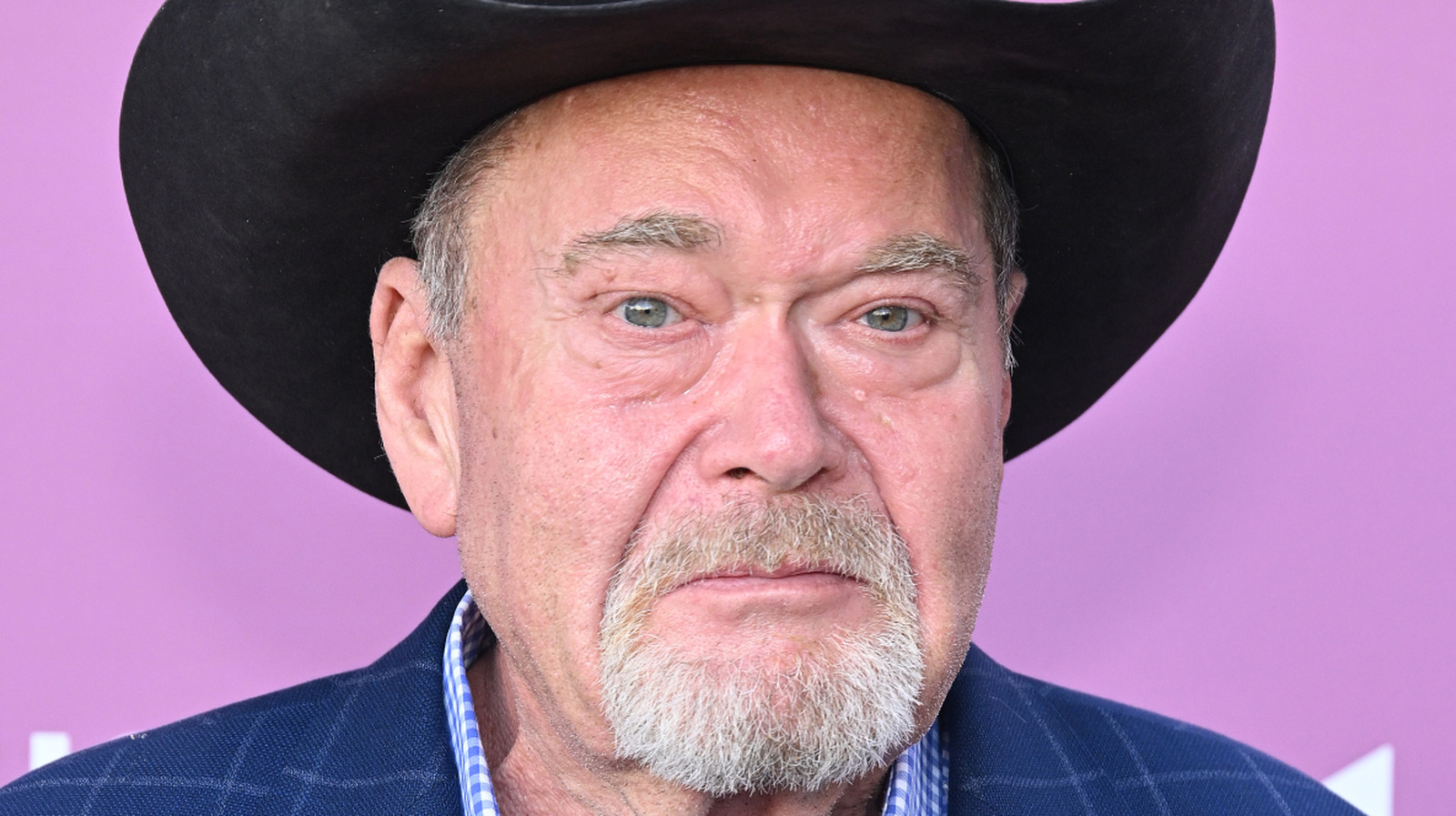
Wrestling is inherently absurd, but sometimes the location elevates that absurdity into an unforgettable visual. Promoters have spent decades chasing unique aesthetics to stand out, resulting in both iconic television and logistical nightmares. As Jim Ross recently revealed with his unfulfilled pitch for an Alcatraz Island show, the industry is always just one crazy idea away from broadcasting from the middle of nowhere.
10. The Mall of America (WCW Monday Nitro, 1995)
Eric Bischoff wanted to make an aggressive statement against WWE, and taking wrestling out of smoky arenas into the largest mall in the United States certainly accomplished that. On September 4, 1995, Lex Luger walked out unannounced in front of confused shoppers and hardcore fans alike, instantly shifting the Monday Night War. The visual of ringside seats surrounded by multi-level balconies packed with onlookers gave Nitro an immediate big-fight feel.
It was chaotic, loud, and completely fresh for the era. While WWE was still shooting pre-taped squash matches in high school gyms, WCW looked like a mainstream spectacle happening in the middle of everyday life. This debut essentially forced Vince McMahon to rethink his entire production strategy, ending the era of broadcasting from dark, silent buildings.
9. Penn Station Nightclub (WWF Shotgun Saturday Night, 1997)
Vince McMahon desperately wanted a gritty, late-night vibe to counter WCW's polished arena presentation. This led to Shotgun Saturday Night being filmed in actual New York nightclubs, starting at the Mirage inside Penn Station in January 1997. The debut was an absolute logistical disaster for everyone involved.
The ring barely fit on the dance floor, the ceiling was so low that top rope moves were physically impossible, and the drunken midnight crowd was completely unmanageable. The Undertaker wrestled Triple H in a main event that looked more like a disorganized bar fight than professional wrestling. It was a terrible idea from a working perspective, but the griminess perfectly captured the impending Attitude Era transition.
8. Huntington Beach (WCW Bash at the Beach, 1995)
Filming a live wrestling pay-per-view on an actual beach sounds great when pitched in a corporate boardroom. In execution, it was a miserable experience that actively hurt the match quality. The July 1995 Bash at the Beach event in California featured Hulk Hogan wrestling Vader inside a ring surrounded by sand, unpredictable wind, and glaring sunlight.
The ring mat became dangerously slippery due to the high humidity and heavy ocean sea spray. Wrestlers had wet sand stuck to their bodies the entire match, making every bump incredibly painful and grating. It remains one of the worst visual presentations of a major show, proving that nature and sports entertainment rarely mix well. It was a complete aesthetic failure that alienated the viewing audience.
7. The Hardy Compound (TNA The Final Deletion, 2016)
Matt Hardy broke the traditional wrestling television format by moving the action entirely to his own backyard in Cameron, North Carolina. The Final Deletion in 2016 wasn't just a match; it was a bizarre, self-aware fever dream featuring fireworks, a dilapidated boat, and a drone named Vanguard 1.
Hardy fighting his brother Jeff in the dirt at night looked incredibly cheap, yet it revolutionized the industry's approach to pre-taped segments. It proved you didn't need a massive arena to draw viewers if the character work was completely unhinged and committed. WWE and AEW have spent the last eight years chasing this exact cinematic high, rarely matching its weird, lightning-in-a-bottle magic.
6. The Sturgis Motorcycle Rally (WCW Hog Wild, 1996)
Eric Bischoff loved motorcycles, so he unilaterally decided WCW should run pay-per-views at the annual Sturgis rally in South Dakota. The company spent a massive fortune setting up a ring outdoors in front of tens of thousands of bikers who paid exactly zero dollars to attend. Instead of cheering or booing like a normal crowd, the bikers just revved their engines, completely drowning out the broadcast commentary for viewers at home.
The crowd was notoriously hostile, visibly uninterested in the cruiserweights and hurling loud abuse at performers like Harlem Heat. It was a massive financial loss that highlighted WCW's worst impulses regarding vanity projects over basic business logic.
5. WWE Corporate Headquarters (Money in the Bank, 2020)
With the pandemic forcing empty arenas, WWE got creative by staging the 2020 Money in the Bank ladder matches at Titan Towers in Stamford, Connecticut. Both matches happened simultaneously, starting on the ground floor and fighting up through the corporate offices to the roof. It was deeply absurd, featuring cameos from Vince McMahon in his actual office and chaotic food fights in the corporate catering room.
The match climaxed with King Corbin seemingly throwing Rey Mysterio and Aleister Black off the literal roof of the building. It was exactly the kind of stupid, harmless fun the world desperately needed during a terrifying global lockdown.
4. Daily's Place Amphitheater (AEW Pandemic Era, 2020)
Jacksonville's open-air amphitheater became the unlikely savior of All Elite Wrestling when the world shut down in early 2020. While WWE isolated its talent in a sterile performance center, AEW leaned into the muggy Florida heat and kept the television energy alive. The roster surrounded the ring as lumberjacks, banging on the barricades to create artificial noise that actually felt organic and supportive.
The sweltering humidity made everyone look completely exhausted within three minutes, adding a gritty realism to the high-flying matches. As we sit just seven days away from Double or Nothing in Las Vegas, it's easy to forget that AEW survived entirely because of this echoing, imperfect venue. Without Daily's Place, the company simply might not exist today.
3. Tucson Convention Center (WWF Halftime Heat, 1999)
During the halftime of Super Bowl XXXIII, WWE aired a pre-taped empty arena match between The Rock and Mankind. It was brilliant counter-programming that utilized the eerie silence of a massive, 8,000-seat building in Tucson. The two brawled through the concourse, the catering kitchen, and the loading dock without a single fan in sight to react to the violence.
You could hear every insult, every heavy thud, and every breathless gasp from the performers. Mick Foley ultimately won the WWE Championship by using a forklift to pin The Rock under a heavy wooden pallet. It was a masterclass in utilizing an empty environment to tell a violent, deeply personal story.
2. The WWE Performance Center (WrestleMania 36, 2020)
No location change in wrestling history was more jarring than moving the biggest show of the year from a massive NFL stadium to a glorified training gym. WrestleMania 36 was filmed in front of zero fans, entirely killing the grand spectacle the event is known for. Edge's return to singles action after nine years happened in total silence, robbing him of a historic crowd reaction.
Drew McIntyre defeated Brock Lesnar for the WWE Championship in an empty room, a devastating blow to a guy who had clawed his way back to the top. The sterile environment made the matches feel like intense sparring sessions, a necessary move that was deeply depressing to watch.
1. Alcatraz Island (The Event That Never Was)
As Jim Ross recently revealed, WWE seriously considered hosting a major event at the infamous Alcatraz federal penitentiary in San Francisco Bay. The logistical hurdles of running broadcast power, shipping a massive ring on a ferry, and managing talent on an isolated island prison were immense. A wrestling ring positioned in the center of the main cell block would have created an unmatched, terrifying atmosphere for a hardcore match.
Ultimately, the staggering cost and practical nightmare of the location killed the idea before it could ever materialize. It remains the greatest unexplored concept in wrestling location history, a reminder of an era when no idea was too crazy for WWE management to pitch.
Honorable Mentions
- The Jericho Cruise (AEW): Wrestling on a moving boat in the middle of the ocean created terrifying ring shifts that made top rope moves incredibly dangerous.
- Grand Central Terminal (WWF): The company constantly teased running major transport hubs before finally settling on smaller ballrooms.
- The Tokyo Dome (NJPW): Not weird, but the sheer massive scale creates a unique acoustic environment where crowd noise rolls like thunder.