The mid-year wrestling reality check
Pro wrestling in 2026 is defined by cutthroat booking and a sudden scarcity of veteran presence on developmental brands. We are watching a clear shift in priority toward fresh, unproven assets over established reliability.
This list tracks current turns, releases, and ring work that moved the needle through June 2026. The industry is currently favoring high-risk volatility over steady hand-holding.
1. Shawn Spears ousted from NXT
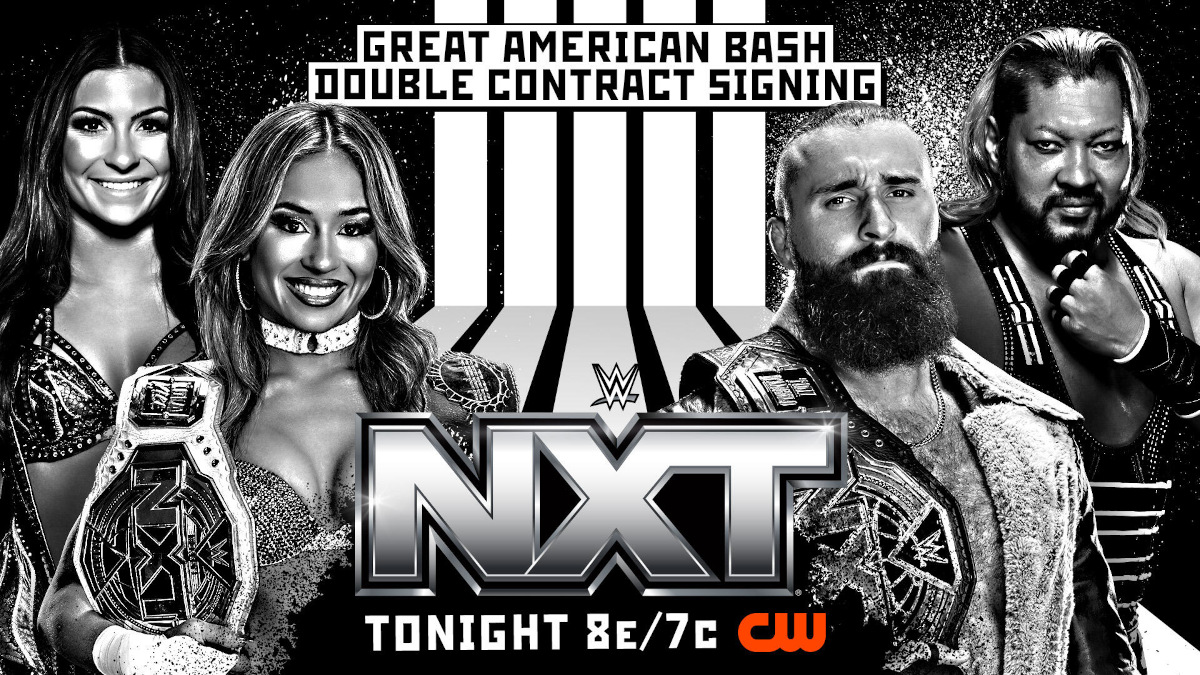
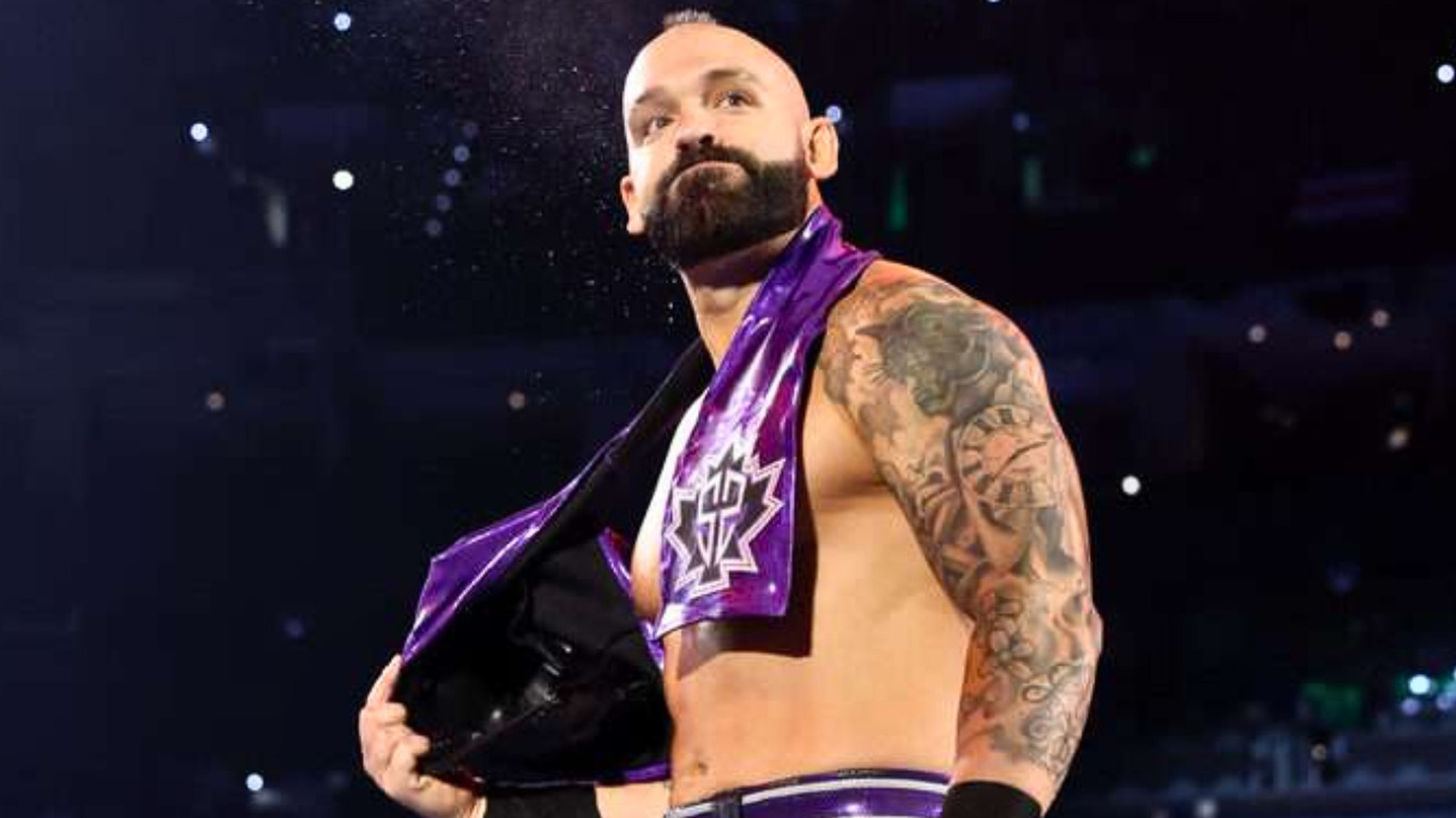
The sudden removal of Shawn Spears from WWE NXT last Tuesday marks a total abandonment of the veteran-mentor booking strategy. WWE executives appear to be purging the roster of older talent to facilitate a complete bottom-up youth movement. This move signals that NXT is no longer a landing pad for journeymen but a strictly aggressive grooming ground for the main roster.
2. The rapid restructuring of brand rosters
Management is currently forcing a talent exodus to trim overhead costs and make room for NXT call-ups. Sources suggest that locker room morale is suffering as internal competition hits an all-time high. Booking direction is becoming increasingly unpredictable, leaving performers unsure of their long-term job security.
3. The rise of unsanctioned ring work
We are seeing a return to chaotic, high-impact brawls that seem to defy standard safety protocols. Wrestlers are opting for unprotected strikes and heavy weaponry to compensate for smaller promotion budgets. This trend creates visceral interest but remains a major liability for long-term health metrics.
4. TV rights negotiations stall
Broadcasters are demanding more predictable storylines in exchange for massive contract renewals. Networks are finding the current erratic booking pacing difficult to market to advertisers. If this tension continues, expect a major shift in how weekly content is structured for casual viewers.
5. The dominance of smaller indie circuits
With major promotions cutting costs, independent wrestling is picking up the discarded performers. Talent like Spears who hit the free market after the recent Culling removal immediately find opportunities with smaller outfits. This proves that the talent pool is deeper than the major television giants acknowledge.
6. High-stakes cross-promotional blunders
Attempts to create collaborative matches have resulted in awkward chemistry and weak drawing power. Matches hyped as dream scenarios have failed to meet buy-rate expectations due to poor story buildup. Coordination between rival companies remains a hurdle they are failing to clear.
7. The decline of the scripted promo
Performers are increasingly opting for bulleted prompts over fully memorized scripts. This shift creates genuine high-tension moments but occasionally leads to dead-air segments on live TV. Real-world spontaneity is back, though it risks alienating the older generation of fans who prefer clean transitions.
8. Women's division talent consolidation
Resources are clustering around a top-tier core of four performers, leaving the mid-card stagnant. This booking strategy ensures that title matches remain high-quality spectacles, but it prevents the roster from developing deep competitive narratives. Variety in the division is currently at a 3-year low.
9. Ticket pricing shifts
Promoters are drastically lowering prices for lower-tier matches to drive attendance numbers in slowing markets. The revenue loss is being countered by massive price hikes for front-row seats and premium packages. It creates a divided audience experience that is becoming harder for venues to manage.
10. The return of long-form technical wrestling
While the product is generally faster, a subset of talent is forcing 30-minute technical clinics back into the rotation. These matches are frequently interrupted by chaotic interference, which highlights the disconnect between creative teams and ring generals. This friction produces entertaining segments but frustrating payoffs for the loyal base.
The Big Picture
The industry is shrinking its headcount to maximize profitability, leaving veterans like Shawn Spears out in the cold. It remains an era defined by extreme management volatility and a disregard for legacy talent. We are witnessing a 60% turnover rate in support roles across the board.
Honorable mentions go to the return of classic territory-style shows and the surprising success of localized touring circuits. Both serve as a hedge against the instability of the major television giants.