The pacing problem at the Performance Center
The June 23 edition of NXT clocked in at a frantic 120-minute runtime, cramming 8 distinct segments into the window. This forces an average duration of just 15 minutes per segment, leaving little room for narrative breathing space. When the product operates at this speed, the transition from in-ring action to exposition becomes jarring.
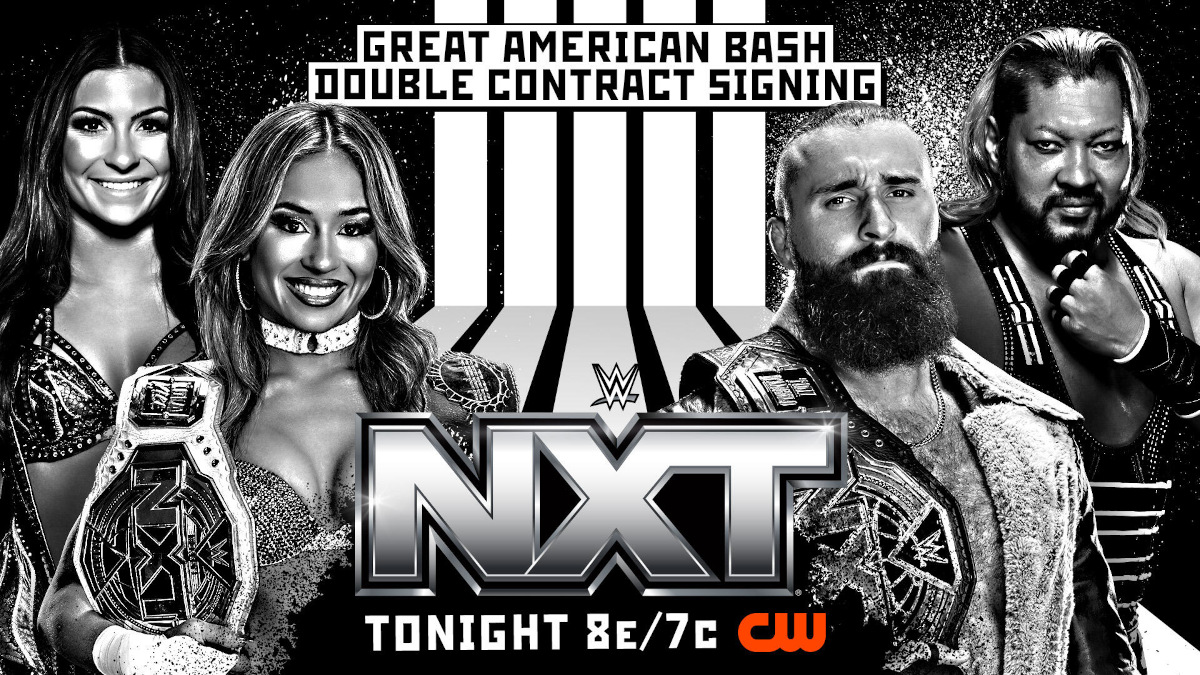
The data suggests a clear trend of compression. With the Great American Bash approaching, the booking focus shifted toward high-intensity, short-form segments rather than sustained physical sequences. The reliance on brief backstage interactions—exemplified by Robert Stone attempting to reign in Tony D’Angelo—prioritizes verbal shorthand over long-form character development.
The hidden cost of high-density booking
In the professional wrestling format, density often acts as the enemy of quality. By forcing 8 segments into two hours, the producers guaranteed that no individual story point received more than a fraction of the broadcast volume. This shift is notable because it replaces the technical progression seen in earlier spring programs with a scramble for card solidity.
As recent industry transitions highlight, management efficiency is often prioritized over match length during transitional periods. However, the 15-minute average interval marks a 20% reduction in average segment time compared to the previous month of programming. This volatility in the June 23 broadcast suggests the creative team is struggling to balance the requirements of the CW Network feed with the immediate need to finalize the Great American Bash lineup.
Mapping the tactical disconnect
The core issue here is not the presence of action, but the pacing of that action. Tactical cohesion in wrestling requires consistent windows for character beats to stick. When a segment is cut to under 10 minutes to accommodate the sheer volume of the show, the storytelling stakes vanish. The audience has less time to digest the conflict between the D’Angelo faction and the rest of the roster.
It is statistically clear that the reliance on back-to-back segments has created a frantic scramble. By the time the final whistle blew, the show had arguably moved too quickly to allow any singular, defining moment to land with the necessary force. Unless the booking team allows for more extended transitions, they risk exhausting the audience before they even reach the Bash.