The Deadman’s Standard
The Undertaker did not just hold a spot on the roster; he maintained a psychological grip on the industry for three decades. His career transformed from a supernatural gimmick into the gold standard for main event workers.
Assessing his legacy requires weighing iconic victories against the tactical contributions he made to younger talent. This list ranks his evolution from a limited powerhouse to a master of ring psychology.
10. The 1990 Survivor Series Debut
The introduction of the character at the 1990 Survivor Series remains the gold standard for gimmick debuts. He entered as Ted DiBiase’s mystery partner, immediately dwarfing the existing roster. While the purple gloves and trenchcoat were minimalist, they set the tone for every character evolution that followed.
9. Backstage Influence and Mentorship
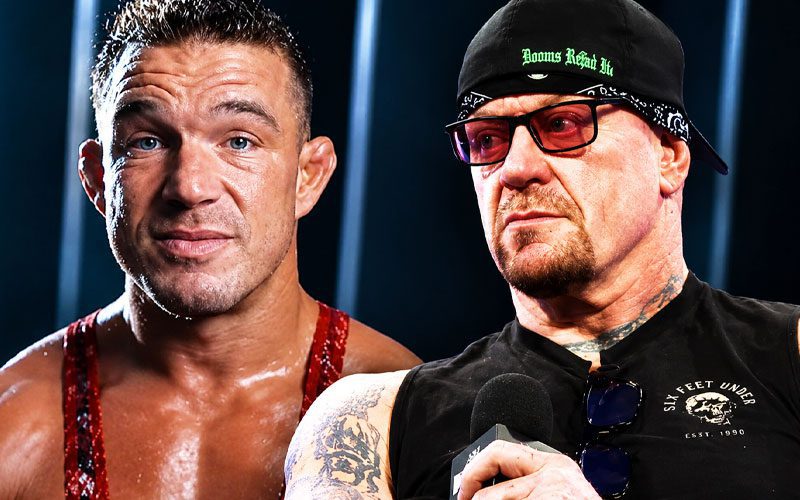
As recent testimonials from Chad Gable confirm, the Deadman’s impact extended well beyond the curtain. Gable noted that a singular conversation changed his entire approach to work rate and character consistency. This behind-the-scenes guidance places him higher than performers who only focused on their own push.
8. The First Hell in a Cell
Badd Blood 1997 provided the template for modern hardcore matches. Undertaker and Shawn Michaels utilized the cage as a weapon rather than a backdrop, changing how structural wrestling would be booked for twenty years. It remains his most physically innovative night.
7. The 2007 Royal Rumble Victory
Entering at number 30 to win the Rumble finally validated his endurance. Watching him stare down Shawn Michaels in the final moments of that match serves as a masterclass in tension. It was his only Rumble win and proved he could still carry a main event program at age 42.
6. The WM25 vs Shawn Michaels Bout
This match is objectively the peak of his career-long technical evolution. The chemistry between these two veterans produced a back-and-forth struggle that spanned 30 minutes of high-stakes drama. It was the rare instance where fan expectation actually failed to capture the electricity of the live performance.
5. The Big Evil Transformation
Moving away from the supernatural gimmick in 2000 was a brave necessity, yet it remains his most polarizing era. The American Badass persona allowed him to work a more grounded, brawling style that fit the era of Triple H and Stone Cold. While some purists disliked the motorcycle entrance, it gave him the mobility required to survive the changing pace of the early 2000s.
4. The Mankind Cell Toss
Gravity and common sense took a backseat at King of the Ring 1998. The Chokeslam through the announcer table is etched into every fan's memory, defining the Attitude Era’s chaotic ceiling. This moment was arguably too dangerous, and it highlights a flaw in his resume; he was often too willing to sacrifice long-term safety for a singular pop.
3. The WrestleMania Streak (The Accumulation)
Ranking the Streak is difficult because it spans 21 victories that vary in quality. The importance lies in the aura it created; for a decade, WrestleMania felt incomplete without his entrance music. It provided a singular narrative thread that tied together different generations of talent.
2. The Final Farewell
His departure at the 2020 Survivor Series provided a rare sense of closure for a long-term character. Seeing 30 years of history condensed into one final segment allowed fans to pivot from fantasy to reality. It was a somber conclusion that highlighted the human behind the gimmick.
1. The 1997-1998 Feud with Kane
The introduction of his brother remains the best long-term booking of his career. It used his backstory to create a legitimate threat, forcing The Undertaker to move away from supernatural dominance to defensive survival. Their matches provided a perfect duality that held viewership for over a year, cementing his status as the industry's ultimate anchor.
The Big Picture
The Undertaker’s career remains unique because he navigated the transition from 80s spectacle to modern technical wrestling without losing his core identity. His legacy is defined by his willingness to evolve even when his status as a legend made it optional.
Honorable Mentions
- The 1991 victory against Hulk Hogan for the WWF Championship.
- The ministry of darkness period.
- His late-career resurgence working with AJ Styles.