The Big Picture
Mick Foley is the rarest anomaly in professional wrestling: a man who traded his skeletal integrity for a seat at the table of immortals. From the bloody floors of Japanese deathmatches to the peak of the Monday Night Wars, Foley redefined what a main eventer looked like, sounded like, and endured.
The Hardcore Legend’s Evolution
10. The Political Refusal. Foley has long been a vocal observer of the American landscape, often using his platform to challenge figures like Donald Trump. While fans have frequently urged the Hall of Famer to transition into public office, Foley has remained steadfast in his refusal to run. He recently clarified that his temperament and the nature of modern discourse make a formal campaign a non-starter, preferring to remain an outside advocate. It is a rare moment of restraint for a man who spent thirty years saying yes to the most dangerous ideas in the business.
9. The MJF Endorsement. Even in retirement, Foley’s eye for talent remains surgical. He recently admitted that if he had one more match in him, it would have been against AEW’s MJF. Foley praised the young star’s ability to command a room and maintain heat, suggesting their styles would have created a psychological masterclass. This isn't just cheap praise; it’s a veteran identifying the only modern worker capable of matching his own promo-driven intensity.
8. The 'Cane Dewey' Promo. Long before the world knew him as Mankind, Cactus Jack was deconstructing the very concept of bloodthirsty fans in ECW. The 'Cane Dewey' segment remains the benchmark for the meta-narrative in wrestling. He didn't just cut a promo; he indicted the audience for their voyeuristic desire to see him maimed. It was uncomfortable, grounded, and devoid of the cartoonish tropes that defined the mid-90s era.
7. The First WWE Championship Win. On December 29, 1998, the glass ceiling didn't just crack—it shattered. Mankind defeating The Rock for the title is the definitive turning point of the Monday Night Wars. When Tony Schiavone derisively mentioned the result on WCW Nitro, 600,000 viewers immediately switched channels to see the underdog win. It proved that a 'glorified stuntman' could become the most popular man in the industry through sheer force of will.
The Psychological Depth of Mankind
6. The Rock 'n' Sock Connection. Foley’s ability to pivot from a terrifying masochist to a comedic genius saved WWE during the height of the Attitude Era. The chemistry between the corporate, polished Rock and the sweat-suit-clad Mankind was lightning in a bottle. Their 'This Is Your Life' segment drew an 8.4 Nielsen rating, a number that remains unfathomable in today’s fragmented media environment. It was often ridiculous and occasionally overstayed its welcome, but it humanized Foley in a way that ensured his longevity.
5. The Triple H Rivalry. If the Hell in a Cell made Foley a legend, the 2000 rivalry with Triple H made Triple H a superstar. Their Street Fight at Royal Rumble 2000 was a masterclass in escalating violence, featuring a pedigree into thumb tacks that still makes modern viewers wince. Foley understood that his role was to pass the torch of 'the most dangerous man' to the next generation. He did so by absorbing an ungodly amount of punishment in a losing effort that elevated both men.
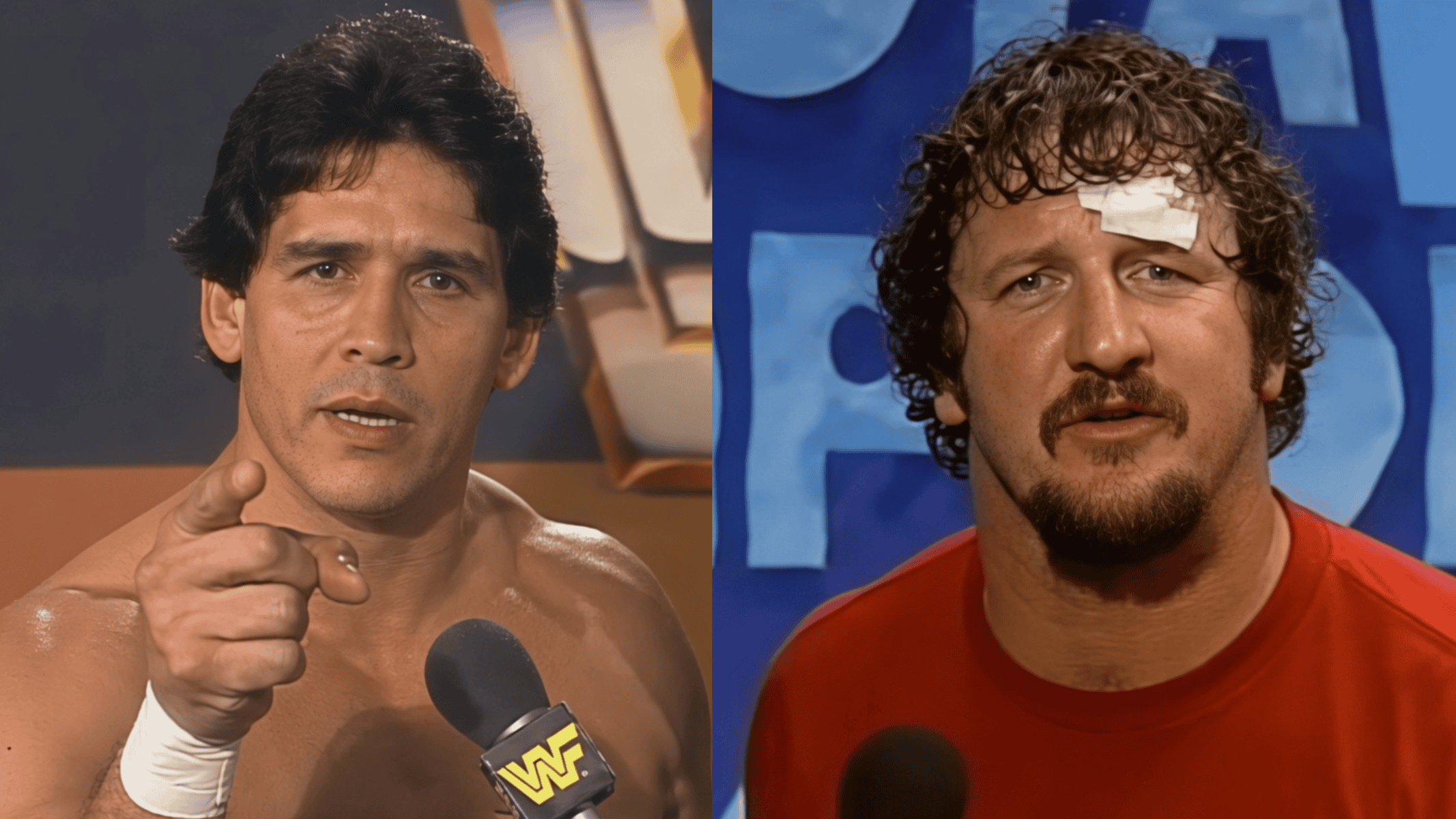
4. The King of the Deathmatch. Before the bright lights of Titan Towers, Foley was carving a legacy in Kawasaki, Japan. The 1995 King of the Deathmatch tournament saw him endure C-4 explosions and barbed wire boards to defeat Terry Funk. This era is often criticized by traditionalists as 'garbage wrestling,' and they aren't entirely wrong—the lack of psychology in some spots was glaring. However, Foley used the gore to build a mythos of invincibility that he later cashed in on for millions of dollars.
3. The Randy Orton Passing of the Torch. At Backlash 2004, a semi-retired Foley returned as Cactus Jack to face a young Randy Orton. This match is the blueprint for how a veteran should help a 'pretty boy' find his edge. Orton landed in a pile of tacks, proving he could bleed, while Foley proved he could still hang in a 23-minute war. Without this match, Orton likely remains a generic heel for several more years instead of becoming the Legend Killer.
The Absolute Peak of Hardcore
2. The 'Lost Ear' Incident. In Munich, Germany, during a match against Vader, Foley’s head became trapped in the ring ropes during a hangman spot. The tension was too high, and the ear was literally ripped from his head. Instead of stopping the match, Foley kept working, creating a visual that terrified the locker room. It was a booking mistake that turned into a marketing masterstroke, providing the ultimate 'proof' of his Cactus Jack persona.
1. Hell in a Cell 1998. It is the most replayed moment in the history of the sport, and for good reason. Foley’s fall from the top of the cage through the announce table was not a planned stunt—it was a 22-foot plunge that should have ended his life. When he climbed back up only to be chokeslammed through the roof, he lost teeth and suffered a concussion that he still feels today. It ranks first because it changed the industry’s safety protocols and cemented Foley as the patron saint of sacrifice.
Honorable Mentions
The 1994 WCW tag team run with Maxx Payne remains an underrated gem of stiff, Southern-style brawling. His brief but impactful run as the Commissioner of WWE also deserves credit for his comedic timing. Finally, his work with MJF, as PWInsider documented, shows that his influence on the creative side of the business hasn't waned even as his physical bumps have ceased.