The Changing Economics of Professional Wrestling
The business of professional wrestling hit a breaking point in mid-2026. Promotions are pivoting away from reckless spending, forcing a sharper focus on long-term value over short-term shiny objects.
1. CM Punk
Punk shifted the gravity of Friday nights instantly by moving to SmackDown. His transition from raw drama to pure television production proves that he remains the industry's biggest needle-mover despite a decade of friction. Putting him on the blue brand suggests WWE is prioritizing proven ratings magnets over experimental roster builds.
2. Jack Perry
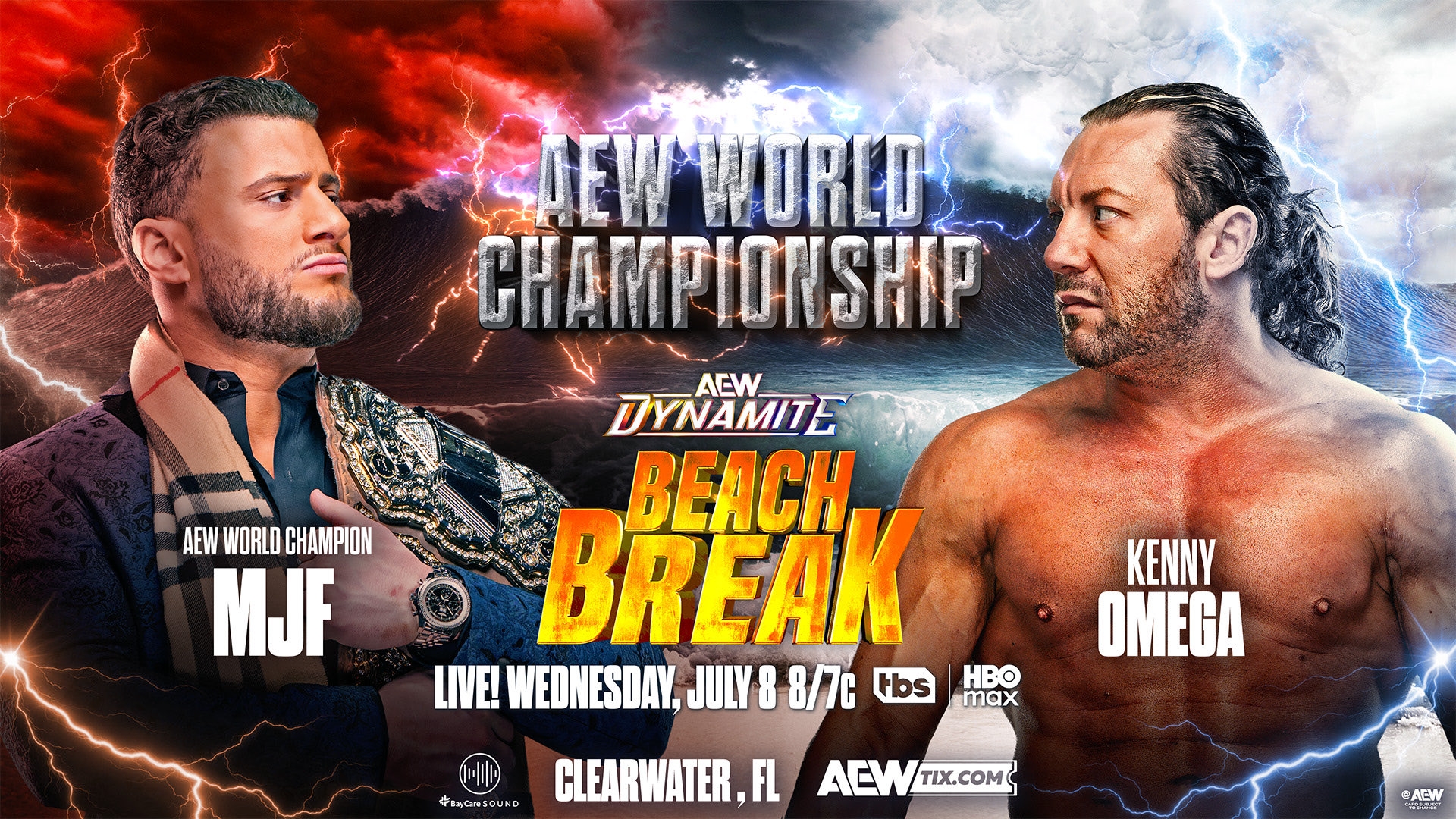
Perry stands at the center of a philosophical shift regarding roster retention. According to recent reports on AEW contract strategy, the promotion is ending its habit of matching inflated salary offers just to prevent jumps. Perry represents a pivot toward paying for performance rather than just blocking competitors from signing key assets.
3. The NIL Pipeline
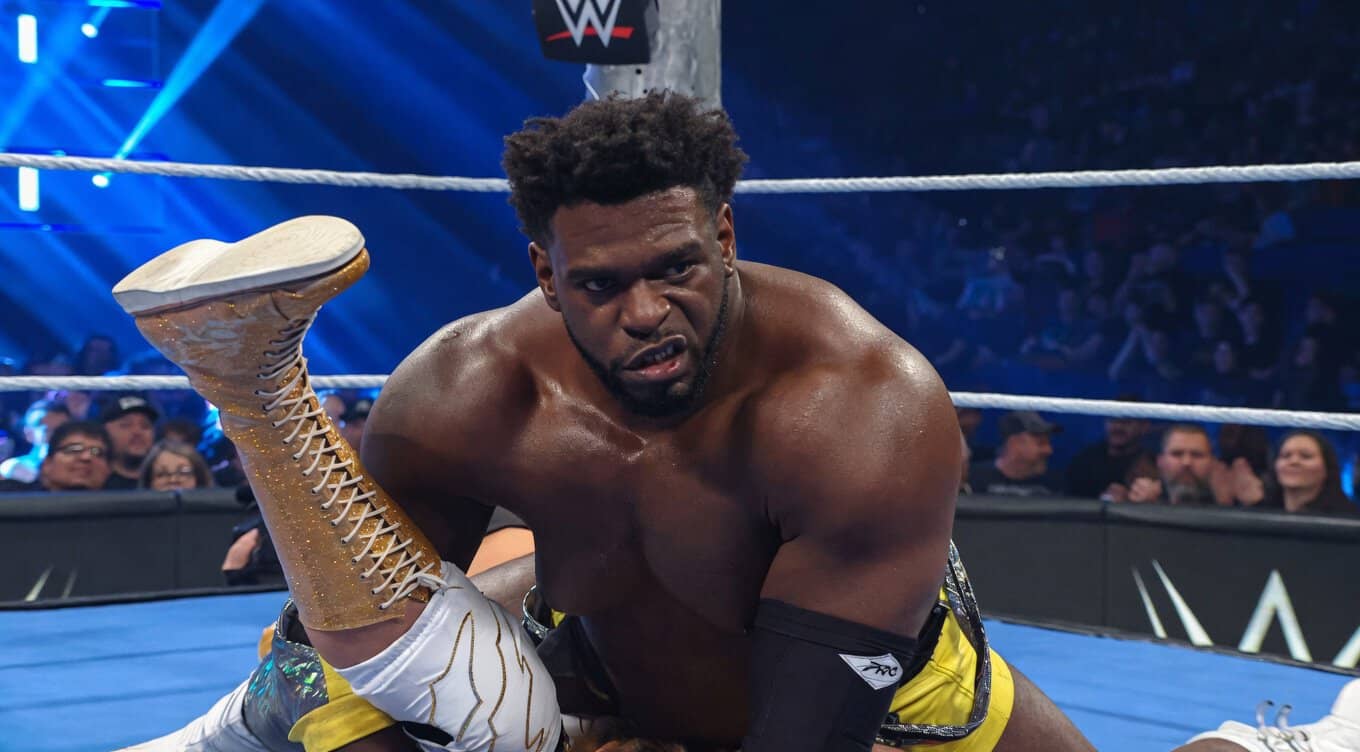
The WWE college-to-ring pipeline is producing impressive physical specimens but struggles with public relations management. A recent incident involving a former NIL athlete arrested for illegal conduct highlights why these signings are high-risk bets. Talent development is not just about powerbombs; it is about keeping trainees out of police blotters.
4. Chris Masters
Masters remains a voice of reason regarding backstage conduct during celebrity guest appearances. He recently noted that Diddy left a sour impression on the locker room during a high-profile WWE engagement. It serves as a reminder that even the biggest cultural icons can fail to grasp the nuance of the wrestling environment.
5. The NXT Freshman Class
These performers are the backbone of the next generation, yet they lack the refined psychology of the veterans. Their reliance on high-impact spots often overshadows the fundamental storytelling required to sustain a long career. They generate social media clips but struggle with traditional house show pacing.
6. International Free Agents
Global markets are flooded with high-work-rate technicians who lack the verbal presentation skills required for prime-time US television. While they provide excellent in-ring highlights, they often stall during promos, leading to diminished crowd engagement. Their upside is capped by the current demand for character-driven narratives.
7. Legacy Performers
Veterans clinging to television time are blocking the growth of newer, hungry talent. This has resulted in several stale storylines that fail to evolve over months of television time. Retaining them is a comfort play, but it inhibits the transition into a modern era.
8. Surprise Returnees
Dusting off former stars provides temporary ratings bumps but ultimately damages the prestige of current championships. Seeing a retired legend return for a quick title shot undermines the work done by the full-time roster. It is a dated booking trope that needs to be permanently retired.
9. Performance Center Trainers
The unsung heroes are tasked with fixing bad habits that indie wrestlers bring to the Stamford facility. Their efforts are often transparently undermined by writers forcing characters to ignore sound fundamentals for quick television pops. The tension between ring generalship and script demands is growing.
10. The Independent Circuit Stalwarts
These workers keep the industry alive while WWE and AEW trade personnel. They are underpaid and under-appreciated by the major promotions that treat them as temporary cannon fodder. Without their consistency in empty arenas and small venues, the talent scouting machine would grind to a halt.
Honorable Mentions
The anonymous producers keeping shows running and the social media interns driving engagement deserve credit for the current state of wrestling news cycles. Also, the medical staffs responsible for keeping these athletes moving deserve a mention for their 90% success rate in preventing career-ending injuries despite the insane schedules.