The shifting power dynamics between Stamford and Jacksonville
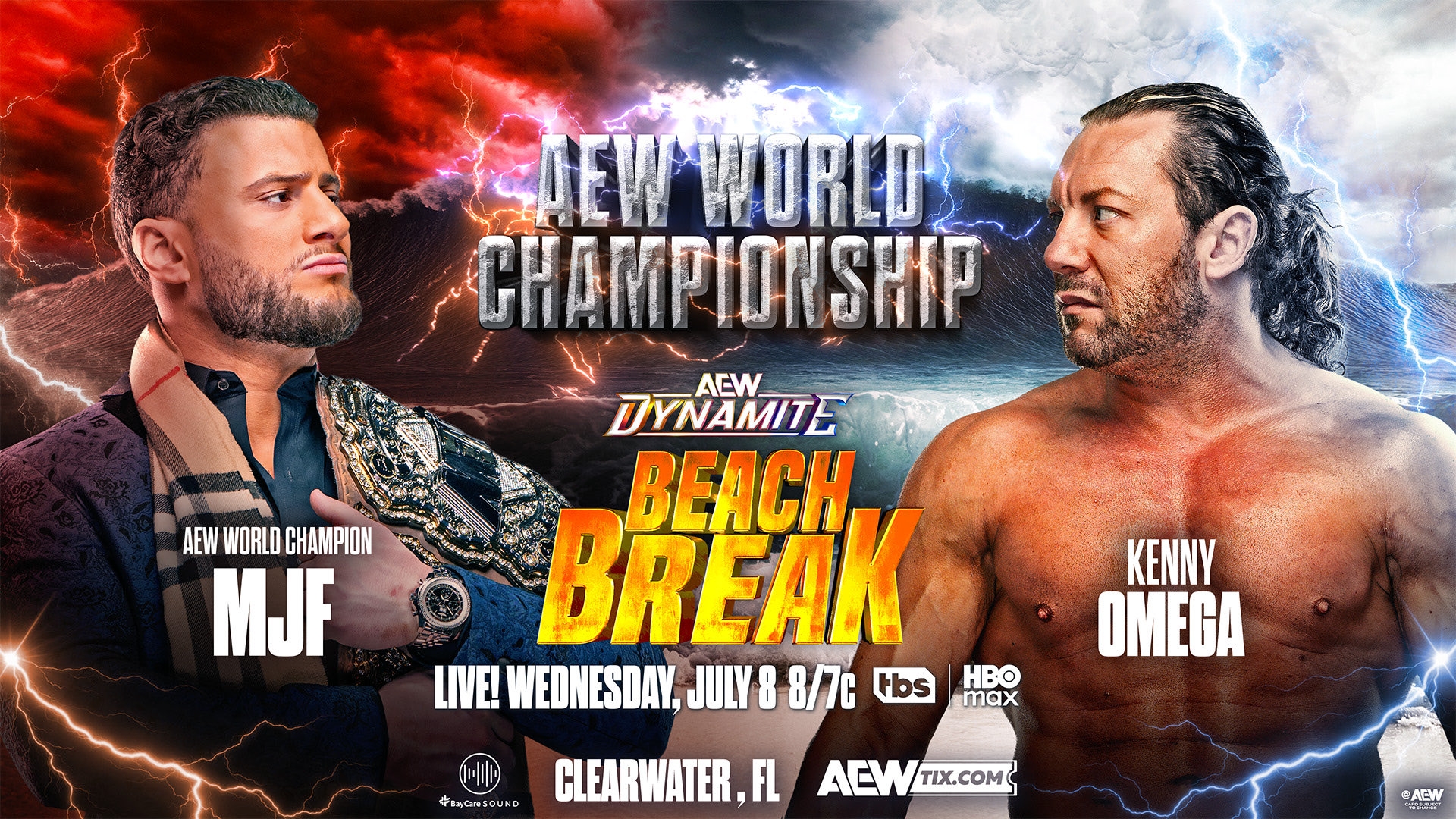
The latest cycle of industry chatter points toward a potential disruption in the established talent hierarchy. Following the high-voltage proceedings at Beach Break, reports have emerged suggesting that several AEW performers are eyeing potential moves to WWE. While Kenny Omega remains the central figure in AEW's creative output, having effectively captured the top title, the surrounding noise suggests unrest elsewhere on the roster.
This isn't just standard wrestling conjecture. WrestleTalk has highlighted specific rumors regarding potential WWE talent acquisitions that coincide with dwindling patience among mid-card performers in AEW. When major names like Kenny Omega dominate the headline space, the undercard talent often feels the squeeze regarding screen time and meaningful development.
Why a move back to the global leader makes sense
Historically, the allure of the WWE brand remains a potent gravitational force for wrestling talent. For those currently drifting in AEW’s massive roster, the prospect of Wrestlemania positioning or structured mainstream exposure offers a career trajectory that is difficult to ignore. The current climate in WWE favors consistent, character-driven storytelling, which may appeal to wrestlers who feel their creative arcs have stalled.
However, the transition is rarely smooth. AEW provides a distinct speed and style—evidenced by the technical intensity of the recent MJF vs. Kenny Omega bout—that some performers may find difficult to replicate within the specific production demands of a modern WWE broadcast. The reality of moving is often hindered by the sheer density of the WWE roster, where becoming a featured player requires more than just pure in-ring talent.
Creative risk and historical roadblocks
Signing a performer with a legacy in a rival promotion involves significant creative risk. WWE historically struggles to integrate non-homegrown talent without softening their presentation to align with corporate standards. If a wrestler known for high-velocity offensive sequences or complex, long-form matches makes the jump, they are frequently met with a condensed televised format.
The current scheduling environment also poses a critical flaw in this potential move. With the promotion focusing intently on established stars like those set for the big London stadium show, incoming talent from AEW might find themselves buried on preliminary cards or relegated to secondary brands. The competition for spots is at an all-time high, and the novelty of a "major signing" can wear off within a matter of weeks if there is no concrete path to the main event.
Analyzing the probability of mass transitions
At present, we must distinguish between standard career inquiries and genuine contract negotiations. Most of these rumors appear to be stemming from talent unhappy with their current rotation or position relative to the main event scene. While it is verified that talent is talking to personnel in other companies, there are zero confirmed departures at this juncture.
My assessment of these rumors remains cautious. While the interest is genuine, the financial and creative hurdles to jumping ship are significant. Expect a period of post-PPV stagnation before any concrete movement occurs regarding these contracts. We are likely looking at a window of 3 to 6 months before any transition manifests on national television.
The expected impact if the floodgates open
Should these signings materialize, the immediate effect would be a dilution of the AEW card depth. Losing even two or three mid-to-upper-tier staples would force a booking pivot for the company as it approaches its next major stadium event. For WWE, the impact would be a reinforcement of their narrative that they are the primary destination for the industry's best athletes, regardless of their background.
The ultimate test remains whether these wrestlers can maintain their specific brand identity in a new environment. If a performer known for high-octane work is forced to slow down to appease a different production style, we could be looking at a disappointing debut cycle. The risk is high for all parties involved, but for the performers, the opportunity to redefine their standing in the industry is often worth the gamble.