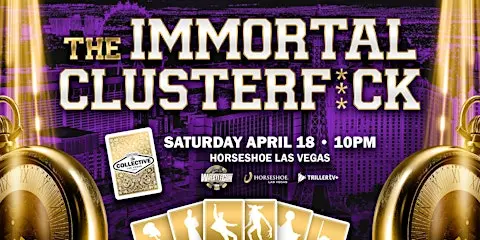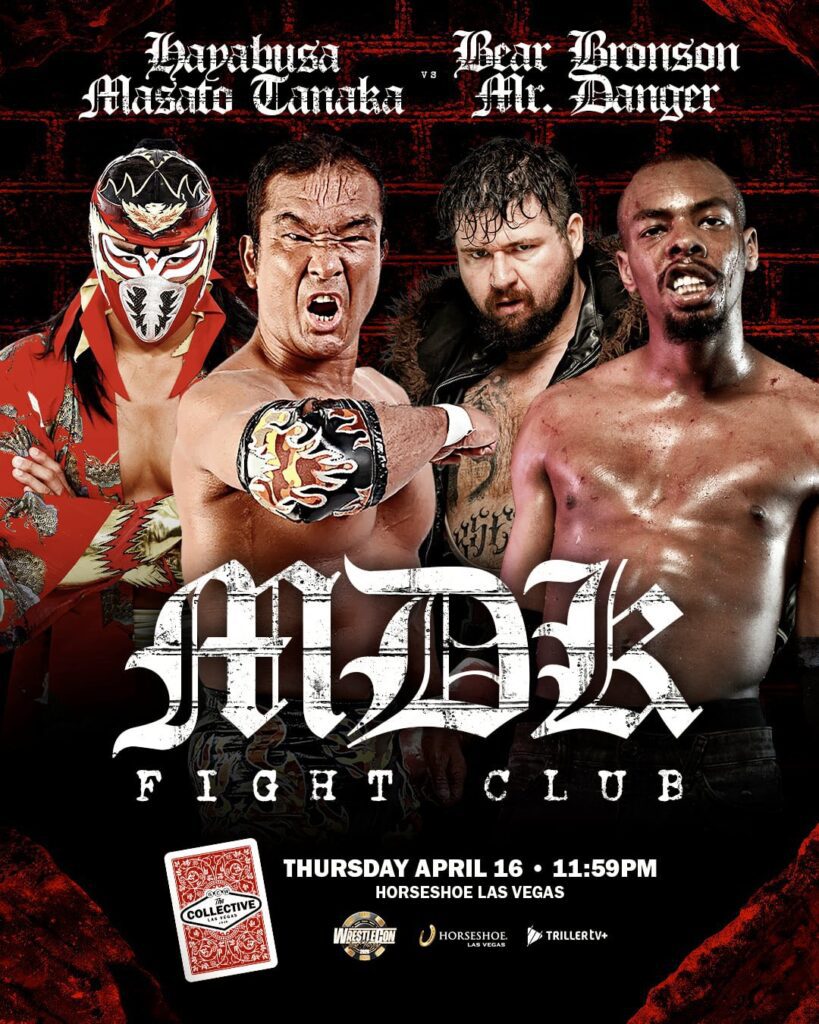
The Big Picture: As GCW prepares to drop MDK Fight Club on Las Vegas to kick off The Collective 2026, the indy scene is getting its annual dose of beautiful chaos. This event will be the final show of Thursday, April 16, kicking off at 11:59PM local time live from the Horseshoe.
The Collective has become the beating heart of WrestleMania weekend, offering everything from deathmatches to surreal comedy. With Nick Gage headlining, it's time to look back at the moments that built this blood-soaked empire. Not all of it was pretty, but it changed the industry.
10. Minoru Suzuki vs. Matt Riddle (Bloodsport)
Before Bloodsport became a brand, Matt Riddle blended shoot-style wrestling with an MMA cage aesthetic. Bringing in New Japan's terrifying grandfather, Minoru Suzuki, was a stroke of genius.
They battered each other with stiff strikes and tight submissions in a match that felt uncomfortably real. It wasn't perfect—the pacing dragged in spots, and the lack of ropes confused some fans—but it established a template GCW still relies on today.
It stripped away the theatrical nonsense and reminded everyone how brutal pure wrestling can be.
9. The Briscoes Invade GCW
When the lights went out at GCW Fight Club, nobody expected Jay and Mark Briscoe to appear in the ring. The ensuing brawl with Mance Warner and Matthew Justice was a violent masterpiece that injected mainstream star power into the promotion.
They captured the tag titles immediately, elevating the belts and setting up a legendary trilogy. While their later bouts relied too heavily on repeated weapon spots, the initial shock value remains unmatched.
It signaled that GCW was a destination for established television stars looking to test their limits.
8. Joey Janela vs. Zandig's Pickup Truck
If you want to pinpoint the exact moment GCW went viral, look no further than this absurd stunt. John Zandig military-pressed Joey Janela off a roof and through a flaming pane of glass set up in the back of a pickup truck.
It was arguably stupid, undeniably reckless, and it put both men in genuine danger for the sake of a cheap pop. Yet, it generated millions of views across social media and put the newly rebranded Game Changer Wrestling on the map.
You can debate the artistic merit of near-fatal falls all day long, but you can't deny the marketing impact. It set a dangerous precedent, forcing younger talent to take increasingly foolish risks to get noticed.
7. Nick Gage Returns from Prison
Nick Gage stepping out of a prison sentence and right back into the deathmatch scene was a surreal, gritty moment. The crowd reaction wasn't just pops; it was a cult welcoming back its unhinged leader.
He immediately leaned into the MDK persona, carving up opponents with light tubes and pizza cutters like he never lost a step. Some critics rightly point out that the company leaned too hard into his real-life criminal history, glorifying a genuinely dark period of his life.
Still, his return transformed him into an indie wrestling folk hero overnight. He became the face of a company built on broken glass and spilled blood, for better or worse.
6. Jon Moxley Crashes the Party
When Jon Moxley showed up unannounced at a GCW show to confront Nick Gage, the building practically shook. Here was one of AEW's biggest stars, a former WWE champion, slumming it in a sweaty building just to bleed with the king of the deathmatch.
The visual of Moxley hitting his finisher on Gage onto a pile of fluorescent light tubes is burned into indie wrestling history. The only downside was the eventual match itself months later, which suffered from overbooking and excessive interference.
Regardless, the angle bridged the gap between national television and grassroots violence. It proved that the biggest stars were paying close attention to the independent scene.
5. David Arquette's Reality Check
David Arquette wanted respect from the wrestling business, so he agreed to a deathmatch with Nick Gage in Los Angeles. It went horribly wrong when a broken light tube slashed Arquette's neck, causing him to panic and legitimately leave the ring bleeding profusely.
It was a terrifying botch that exposed the inherent dangers of untrained celebrities playing in the deathmatch sandbox without proper preparation. Gage looked like a reckless liability, and Arquette looked completely out of his depth.
However, the visceral shock of the incident brought massive mainstream media attention to the promotion. It was a car crash nobody could look away from, cementing GCW's reputation.
4. Minoru Suzuki vs. Orange Cassidy
Joey Janela's Spring Break has always been about booking impossible dream matches, and this was the absolute peak. The King of Pro Wrestling against the King of Sloth Style was a comedic masterpiece wrapped in a legitimate beating.
Cassidy's half-hearted kicks infuriating the notoriously stiff Suzuki created a flawless, hilarious dynamic from the opening bell. While purists hated it and called it a mockery of the sport, the live crowd ate up every single second.
It remains the definitive example of how GCW successfully blends comedy and violence on the same card. It showed that wrestling doesn't always have to take itself so seriously to be highly entertaining.
3. The Invisible Man vs. Invisible Stan
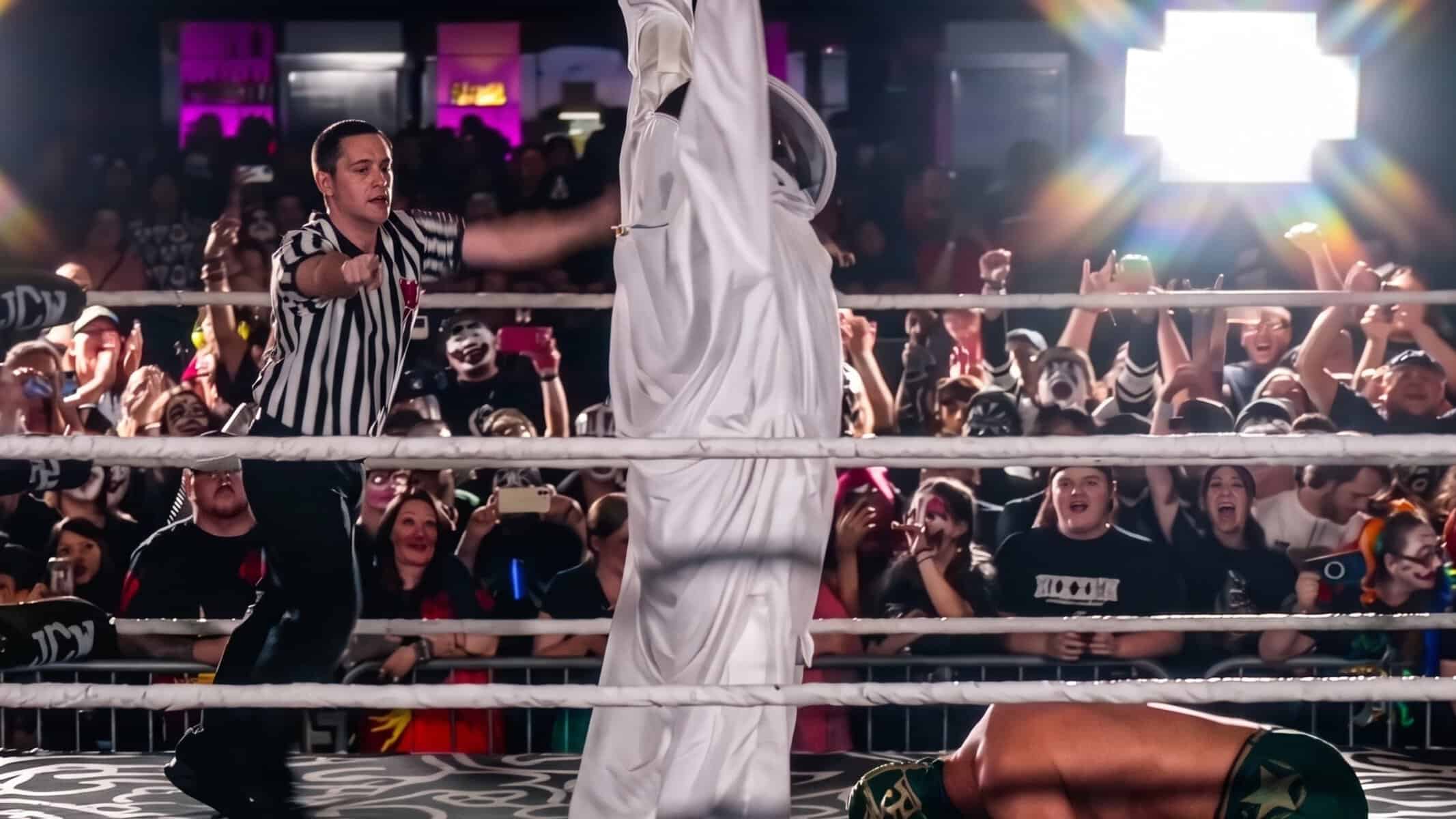
You either loved this match, or it made you want to stop watching wrestling entirely. Bryce Remsburg refereed a bout between two entirely imaginary competitors, bumping around the ring and selling thin air for fifteen ridiculous minutes.
The crowd chanted, gasped at near-falls, and fully bought into the absurdity of the pantomime. It was a polarizing, self-indulgent experiment that stretched the suspension of disbelief to its absolute breaking point.
Yet, as a piece of performance art, it was an undeniable triumph of crowd manipulation. It proved that a hot crowd and a great referee can carry a match, even when there are literally no wrestlers in the ring.
2. PCO vs. WALTER
Nobody asked for a 50-year-old Carl Ouellet to wrestle the most dominant heavyweight in Europe at a midnight show. What we got was a brutally physical war that resurrected PCO's career and proved WALTER could have a classic with absolutely anyone.
PCO absorbed horrific chops, hit a terrifying moonsault, and legitimately broke his chest open, looking like a real-life Frankenstein's monster taking a beating. The pacing was occasionally clunky, but the sheer force of will on display was breathtaking.
This match single-handedly earned PCO a national television contract later that year. It remains one of the hardest-hitting matches in independent wrestling history.
1. Matt Cardona's Trash-Can Coronation
The greatest heel in GCW history wasn't a deathmatch legend; it was a spray-tanned former WWE midcarder. When Matt Cardona defeated Nick Gage for the GCW Championship, the crowd completely lost their minds.
Fans hurled garbage, water bottles, and beer cans into the ring in a scene reminiscent of the NWO's formation in WCW. Cardona leaned into every internet wrestling trope, carrying a spinner belt and demanding respect from a crowd that despised his corporate background.
It was a brilliant, highly manipulative piece of booking that generated the kind of organic, visceral heat the industry rarely sees anymore. The match itself was a clumsy, overbooked mess, but the post-match riot is the defining image of modern independent wrestling.
Honorable Mentions
- Mike Bailey vs. Kota Ibushi at Bloodsport delivered a masterclass in striking that felt like a video game brought to life.
- The WRLD on GCW at the Hammerstein Ballroom was a historic milestone for the promotion, even if the actual card collapsed under its own ambition and messy finishes.
- Lio Rush's surprise retirement match provided an emotional, unexpected swerve that added genuine heart to a blood-and-guts promotion.