The Big Picture
When the Women's Wrestling Hall of Fame finally came calling this month, it felt less like a coronation and more like a long-overdue receipt. Gail Kim didn't just survive the darkest eras of televised women's wrestling; she actively dragged the industry forward, often against the express wishes of the very promoters paying her checks. Her recent involvement in bringing Indi Hartwell to TNA proves her fingerprints are still all over the business, even as she firmly shuts down rumors of an in-ring return. We are looking at a career defined by absolute rebellion, severe physical sacrifice, and a stubborn refusal to be treated as an afterthought. Here are the ten moments that built the legend of Gail Kim.
10. The Raw Walkout (2011)
Most disgruntled wrestlers complain about bad booking in shoot interviews years after the fact. Kim protested on live television. During a meaningless battle royal on Monday Night Raw, she simply rolled out of the ring under the bottom rope, eliminated herself, and walked straight to the back. Nobody in WWE management even noticed her departure until she brought it up later on Twitter, perfectly illustrating the absolute apathy the company had toward its women's division at the time. It was a career suicide mission that ultimately saved her legacy, freeing her to return to a promotion that actually wanted her to wrestle. It remains one of the most authentically defiant exits in the history of the business.
9. Winning WWE Gold on Night One (2003)
Winning the WWE Women’s Championship in your television debut is a hell of a hook for any newcomer. Doing it in a seven-woman battle royal while wrestling with a busted collarbone makes it genuinely legendary. Kim eliminated Victoria to capture the belt, but the creative team had absolutely no idea what to do with her afterward, dropping the title to Molly Holly just four weeks later. The company was aggressively pivoting toward the Divas Search era, leaving an elite worker stranded in a locker room rapidly transitioning to swimsuit models. It was a flash of brilliance smothered by corporate mandated mediocrity. The booking was entirely disjointed from day one.
8. The Street Fight with Jackie Moore (2004)
Before the Knockouts division officially existed on television, Kim and Jackie Moore were quietly putting on violent clinics in the early days of TNA. Their street fight was vicious, entirely unpolished, and completely lacking the sanitized gloss of mainstream women's wrestling at the time. They hit each other with heavy trash cans, brawled aggressively up the entrance ramp, and took stiff shots that left visible welters on their backs. It was a vital proof of concept for the promotion. They showed management that the women could work garbage matches just as effectively as the men, laying the violent foundation for everything TNA would build three years later.
7. Becoming the First Knockouts Champion (2007)
Bound for Glory 2007 was supposed to be a standard pay-per-view, but the ten-woman gauntlet match permanently shifted the tectonic plates of the industry. Kim survived a grueling sequence to become the inaugural champion, pinning Roxxi Laveaux with a crisp facebuster. This wasn't a rushed bathroom break match sandwiched between main events. TNA gave them actual television time, coherent match structure, and real narrative stakes. Kim establishing the title gave the entire roster a functional North Star, legitimizing a division that would routinely outdraw the men in the quarter-hour television ratings for years to come. It was the undisputed birth of a new era.
6. The Slammiversary Masterpiece with Taryn Terrell (2013)
Nobody expected Taryn Terrell to hang with Kim in a Last Knockout Standing match. Kim practically dragged Terrell to a career-defining performance through sheer force of will and flawless in-ring psychology. The match was notoriously brutal, featuring a running bulldog directly off the stage and Kim taking a sickening cutter onto the thinly padded floor. It proved Kim wasn't just a great standalone wrestler; she was a master ring general who could elevate a relatively green opponent to a four-star classic. The pacing was absolutely perfect, proving that violent stipulations didn't need to be reckless to be highly effective television.
5. Orchestrating the Next Generation (2026)
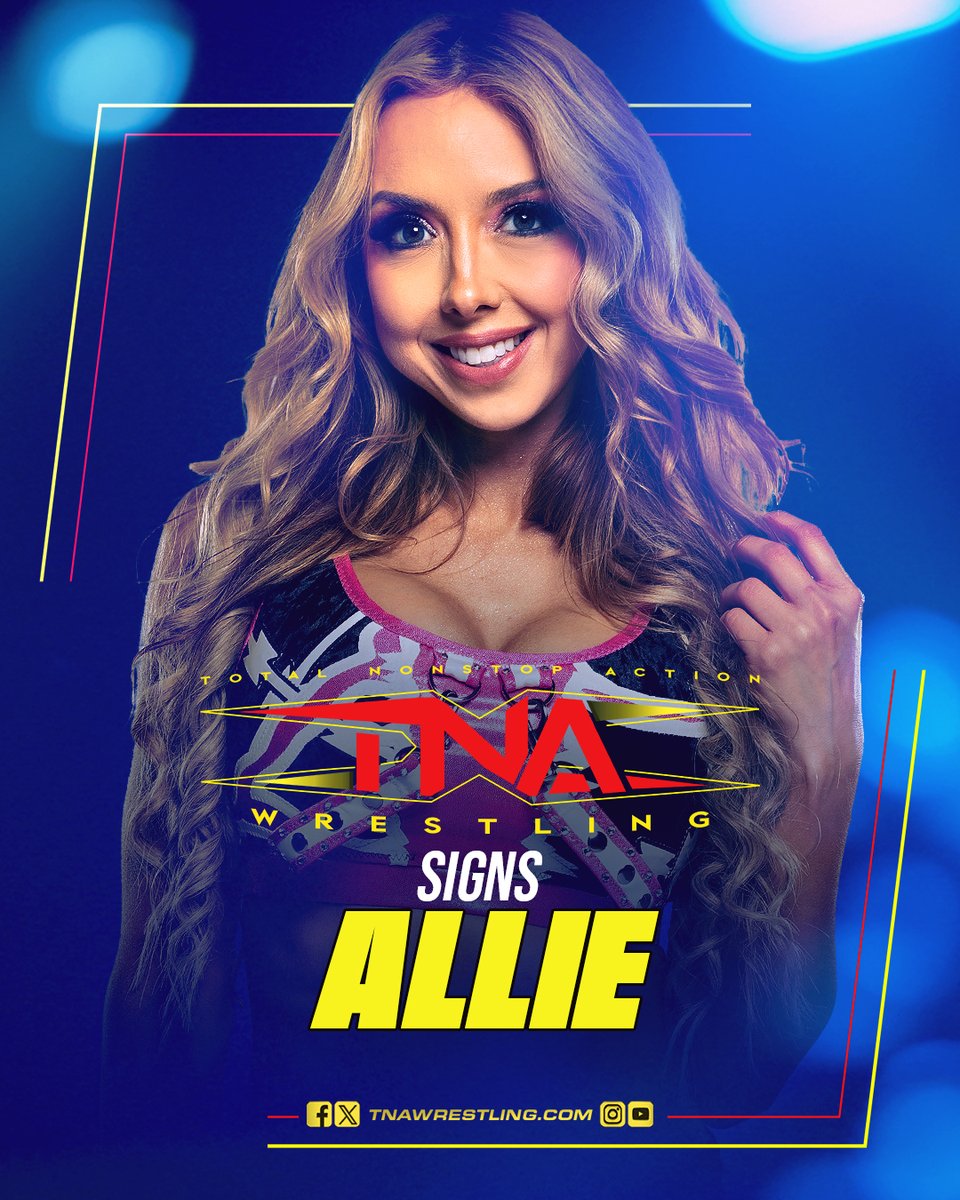
Her influence isn't limited to the archives of the Impact Zone. Just this week, Indi Hartwell confirmed that Kim was the primary driving force behind her signing with TNA. While fans continuously speculate about Goldy Locks pitching new storylines or Kim lacing up the boots for one more run, Kim has been incredibly clear: she isn't returning to the ring anytime soon. She doesn't need to take flat back bumps to have a massive impact. Transitioning seamlessly into a producer and talent relations role, she is actively shaping the future of the roster. The fact that recently released WWE talent specifically cite her as the reason they choose TNA speaks volumes about her backstage cachet and ongoing leadership.
4. The Cage Match with Mickie James (2013)
Women's steel cage matches used to be heavily gimmick-reliant affairs, often relying on distracting run-ins or cheap escape finishes. Kim and Mickie James treated their Lockdown encounter like a bitter, deeply personal blood feud. There was absolutely no hesitation in their strikes, utilizing the cold steel grate as a weapon rather than a mere backdrop for high spots. James played the arrogant heel perfectly, but it was Kim's offensive flurries that kept the crowd completely unglued. The finish was admittedly slightly botched with a mistimed cross-body from the top rope, but the sheer aggression throughout the bout overshadowed any technical missteps. It remains a definitive blueprint for how to work a cage match correctly.
3. The Final Match Against Allie (2017)
Retirement matches rarely deliver on their emotional promises, usually descending into nostalgic slow-motion nostalgia trips. Kim’s final advertised bout against Allie was a total masterclass in putting over the next star without sacrificing her own established aura. She didn't try to steal the spotlight with a self-indulgent vanity performance. Instead, she worked a methodical, psychology-driven match that forced the notoriously timid Allie character to finally show some aggressive fire. Kim walked away with the title but immediately vacated it the next night, ensuring her departure created a compelling power vacuum rather than a creative dead end. It was a thoroughly unselfish exit from a notoriously selfish business.
2. Dual Hall of Fame Validation (2016 and 2026)
Being the first female inductee into the TNA Hall of Fame in 2016 was a massive milestone for her career. But her recent induction into the Women’s Wrestling Hall of Fame feels like the ultimate external validation from the broader industry. She succeeded in an era structurally designed to make her fail at every turn. WWE essentially told her she wasn't the right demographic or look for their magazine covers. She responded by building an empire in Orlando that forced the entire industry to adapt to her standard. The dual Hall of Fame nods solidify her not just as a TNA icon, but as a foundational pillar of modern North American professional wrestling.
1. The War with Awesome Kong (2007-2008)
You literally cannot talk about Gail Kim without talking about Awesome Kong. Their sprawling rivalry is the undisputed peak of televised women’s wrestling in the 2000s. The classic David versus Goliath dynamic was executed with terrifying precision every single time they touched. Kong was an immovable monster; Kim was the desperate, resilient striker who absolutely refused to stay down. Their No Disqualification match at Final Resolution 2008 remains a brutally physical bout that holds up perfectly today. Kim took terrifying bumps, including an unbelievable powerbomb through a steel chair that still looks sickening on a rewatch. They didn't just have good matches; they changed the business model entirely, proving women could main event television and draw massive ratings.
Honorable Mentions
Her brief but highly entertaining run managing Jeff Jarrett and America's Most Wanted showed she had the natural charisma to handle non-wrestling roles effectively. Her later battles with Mia Yim helped pass the torch to a completely new generation of independent standouts. Even her frustrating second run in WWE deserves a quick nod, simply because she managed to wrestle perfectly decent matches against opponents who were given exactly zero training on how to work a cohesive sequence. Gail Kim never took a night off, even when the writers clearly did.