The Big Picture
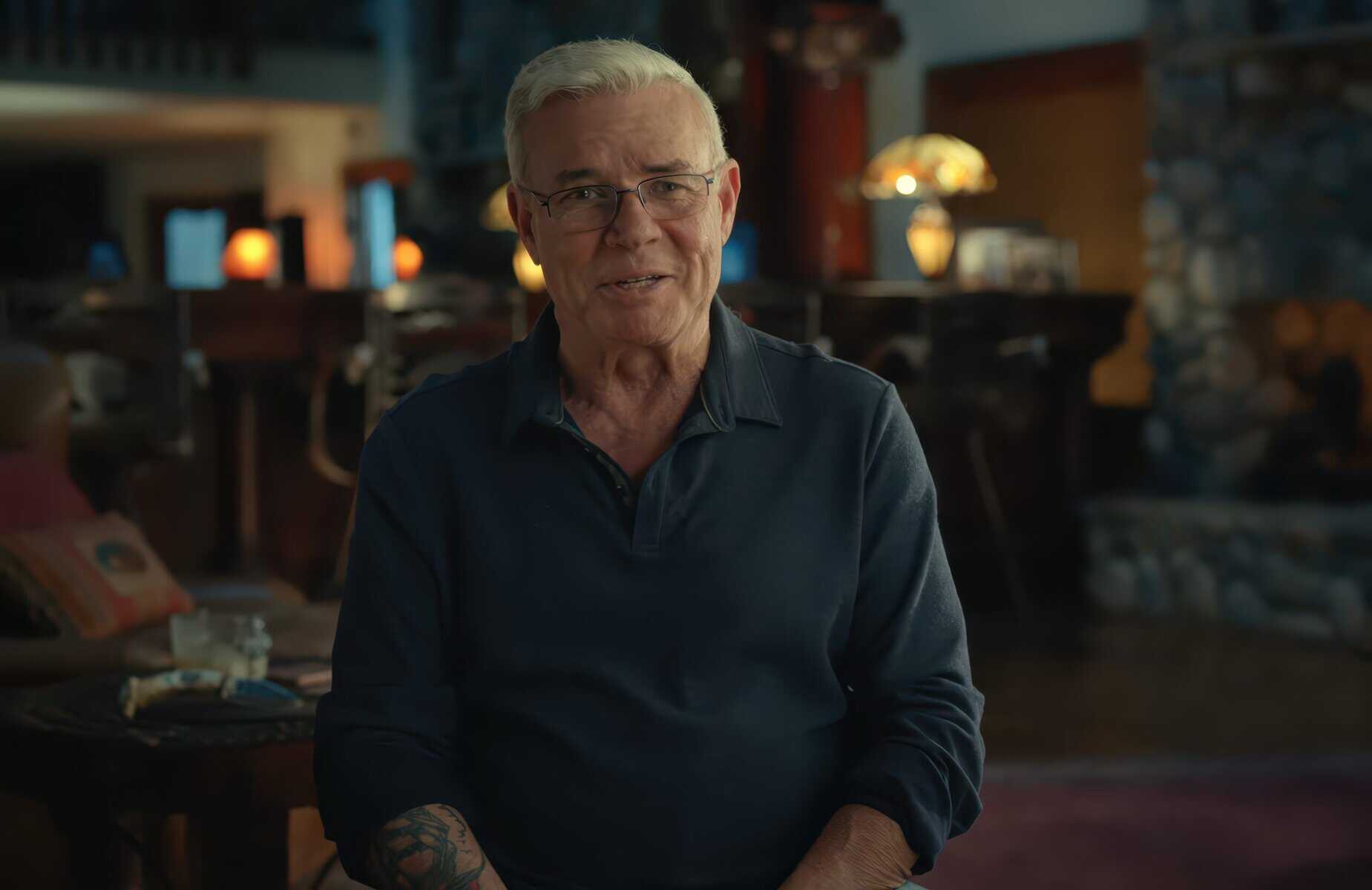
Eric Bischoff remains the most polarizing figure in wrestling history. He shifted the business from family entertainment to a ruthless ratings war, and his fingerprints are still on every major promotion operating today.
The Ranking
10. The WCW Nitro debut. Bischoff forced a Monday night confrontation with Raw that fundamentally altered wrestling history. By moving to a two-hour live format, he created a pace that forced the industry to evolve or vanish.
9. The signing of Hulk Hogan. Critics called it a waste of money, but it legitimized WCW as a company that could host giants. This shift moved the needle for cable television viewership in ways previously considered impossible.
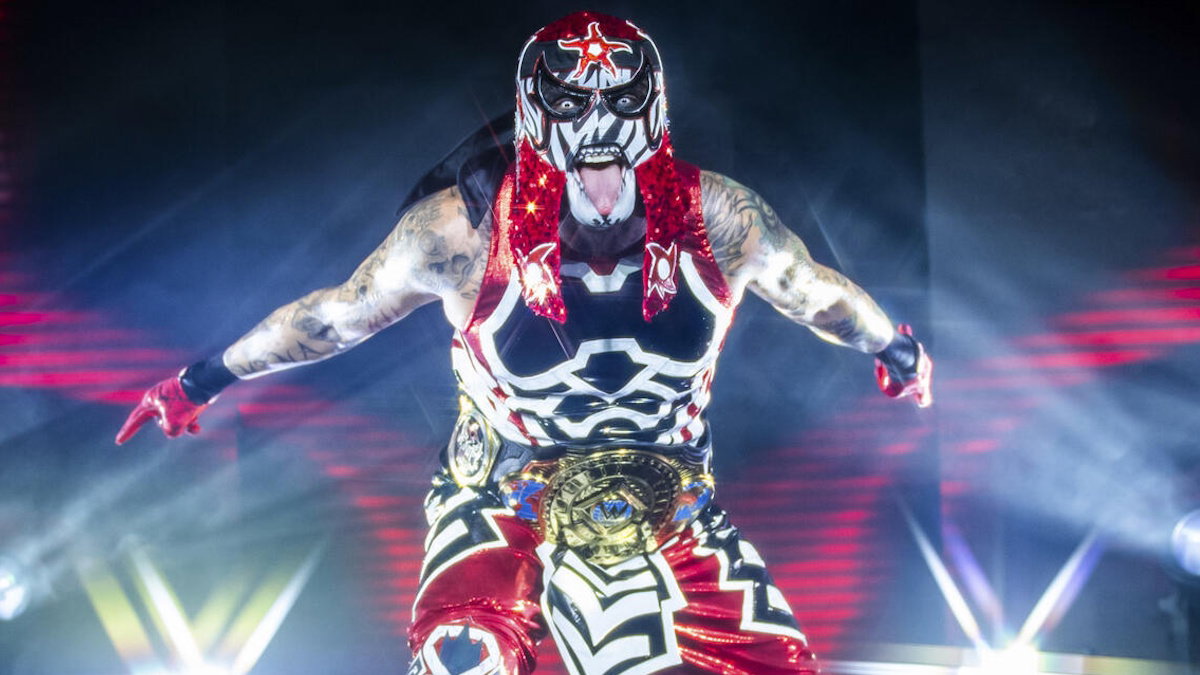
8. The cruiserweight division ignition. Bischoff understood that athleticism, not just size, moved tickets in the late nineties. By showcasing Rey Mysterio and Dean Malenko, he built a product that felt faster than anything on the competition's roster.
7. The nWo formation. Placing Hogan in black and white spandex saved his career after a stagnant period in the WWF. This decision remains the most successful heel turn in the history of professional wrestling.
6. Assessing Danhausen's potential. Bischoff recently noted, as WrestlingNews.co reported, that the character's merchandise figures are poised to hit massive volume. He recognizes viral character work as a modern gatekeeper for revenue.
5. The Monday Night Wars. Bischoff didn't just compete; he dominated for 83 consecutive weeks. Sustaining that lead required a relentless, often abrasive, approach to production that burned out much of his staff.
4. Criticism of modern creative. Bischoff has been vocal about recent booking trends, noting that WWE has stepped on a rake regarding current storylines. His ability to diagnose a creative slump stems from his refusal to treat long-term fan interest as a guarantee.
3. The nWo overstaying its welcome. While the birth of the group was brilliant, the decision to never pull the plug on the storyline created a diluted product. It stands as his biggest booking mistake, leading to the eventual collapse of WCW's creative direction.
2. The shift toward reality-based segments. Bischoff understood pre-Internet audiences better than most, often blurring the lines between scripted promos and legitimate frustration. This aggressive style made WCW feel dangerous in a way that modern PG-era shows struggle to replicate.
1. The transition to executive producer. While he took heat for his management style, his pivot from an announcer to the man signing the checks remains his defining act. He proved that a wrestling company functions best when it is run like a television studio looking for a quarterly profit increase.
Honorable Mentions
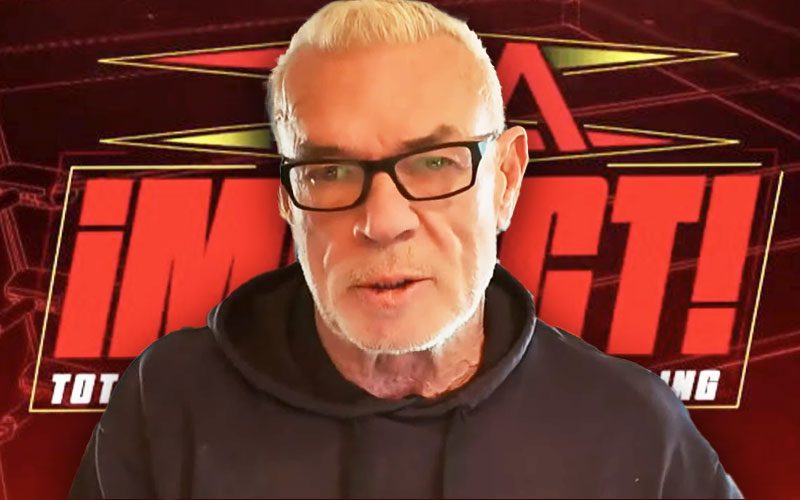
Bischoff's involvement in the TNA reboot provided a secondary option for talent, though it lacked the cultural impact of his Atlanta run. His podcasting career has also served as a platform for his aggressive critiques against current booking, such as his take on the recent Queen of the Ring tournament structure. His legacy is etched in the 83 weeks he spent at the top of the cable rating charts, a record unlikely to be broken.