The Hierarchy of Violence and Storytelling
Pro wrestling operates on a balance of technical execution and narrative payoff. These ten moments represent the peak of what occurs inside the ropes when momentum, crowd heat, and high-stakes booking sync up perfectly.
Great moments aren't just about the spots performed; they are about the lasting impact on the business. This list prioritizes historical significance, turning points for individual careers, and pure visceral reaction.
The Rankings
10. The 123 Kid defeats Razor Ramon
Sean Waltman’s upset victory over Razor Ramon in May 1994 reset the expectations for cruiserweights in modern promotions. A single moonsault after a missed top-rope splash flipped the script on size hierarchy.
It forced fans to accept that a smaller performer could beat the company mainstays. This moment paved the way for every underdog story that followed in the next four decades.
9. The Montreal Screwjob
Bret Hart’s exit from the WWF remains the most discussed controversy in history. Vince McMahon opting to end the match via submission without Hart’s agreement created a permanent distrust between talent and office.
It birthed the Mr. McMahon character and arguably saved the company by giving it the perfect antagonist. It ranks lower because the actual match quality was secondary to the backroom manipulation narrative.
8. Foley Wins the Big One
Mick Foley capturing the WWF Championship on Raw in January 1999 drew a massive rating and shifted the momentum of the Monday Night Wars. The crowd reaction remains the standard for babyface pops.
While the match required heavy interference from Stone Cold Steve Austin, the visual of Foley standing with the title validated his entire career. It serves as a reminder of how high-stakes television can define an era.
7. The Pipebomb Promo
CM Punk’s sit-down address in June 2011 blurred the lines between work and shoot effectively. By mentioning real-world competitors and criticizing the internal hierarchy, he shattered fourth-wall conventions.
This promo forced the industry to modernize its approach to scripted content. However, the subsequent payoff of the angle fell victim to cold-feet booking, dragging the impact down slightly.
6. Hulk Hogan turns on WCW
The Bash at the Beach 1996 heel turn is the gold standard for shocking character pivots. Watching Hogan drop the leg on Randy Savage and align with The Outsiders signaled the end of the wholesome 80s era.
It made being a villain cool again. Without this moment, the nWo never launches, and the mid-90s boom period likely never happens.
5. The Undertaker vs. Mankind at King of the Ring
This match is pure architectural insanity. Throwing Foley off the top of the cell in 1998 set a dangerous standard that performers and medical staff are still debating today.
It is ranked here because it represents a point where the business ignored safety to chase spectacle. It is undeniable television, though it remains a problematic example of booking physical trauma as entertainment.
4. Eddie Guerrero and Chris Benoit embrace
WrestleMania XX concludes with the two best technicians sharing the ring as champions. It was a rare peak for pure in-ring talent reaching the top of the card without relying on supernatural gimmicks.
This moment feels different today given the tragic histories of both men. It stands as a peak of artistic merit in a business that usually prioritizes frame size over move set.
3. The formation of The Shield
Dean Ambrose, Seth Rollins, and Roman Reigns attacking Ryback at Survivor Series 2012 essentially built the next decade of top-tier talent. This trio became the most cohesive faction since Evolution.
They successfully transitioned from developmental prospects to main-event staples overnight. Their consistency in the ring defined the quality of the decade regardless of the wider booking flaws.
2. The streak ends
Brock Lesnar downing The Undertaker in 2014 at the Superdome silenced an entire arena in a way no crowd had ever been silenced before. For 21 years, the streak was the primary draw of the event.
Ending it was a necessary shock to the system, though the execution felt muted by the crowd’s lack of immediate energy. It remains a historical turning point that altered how we view legacy matches.
1. The Austin 3:16 promo
Stone Cold Steve Austin’s post-match interview at King of the Ring 1996 is the primary catalyst for the industry’s most profitable era. It took a mid-card wrestler and transformed him into a cultural icon.
This promo changed the dialogue of promos, moving away from scripted monologues toward improvised, aggressive character work. Every top star since has attempted to replicate this specific intensity.
The Big Picture
Wrestling history is a succession of moments where the script dictates the path until the crowd dictates the reality. These ten entries signify the moments where those two forces collided with enough power to move the needle forever.
Honorable Mentions
- Daniel Bryan winning at WrestleMania XXX.
- The debut of Chris Jericho on Raw.
- Randy Savage and Miss Elizabeth reuniting.
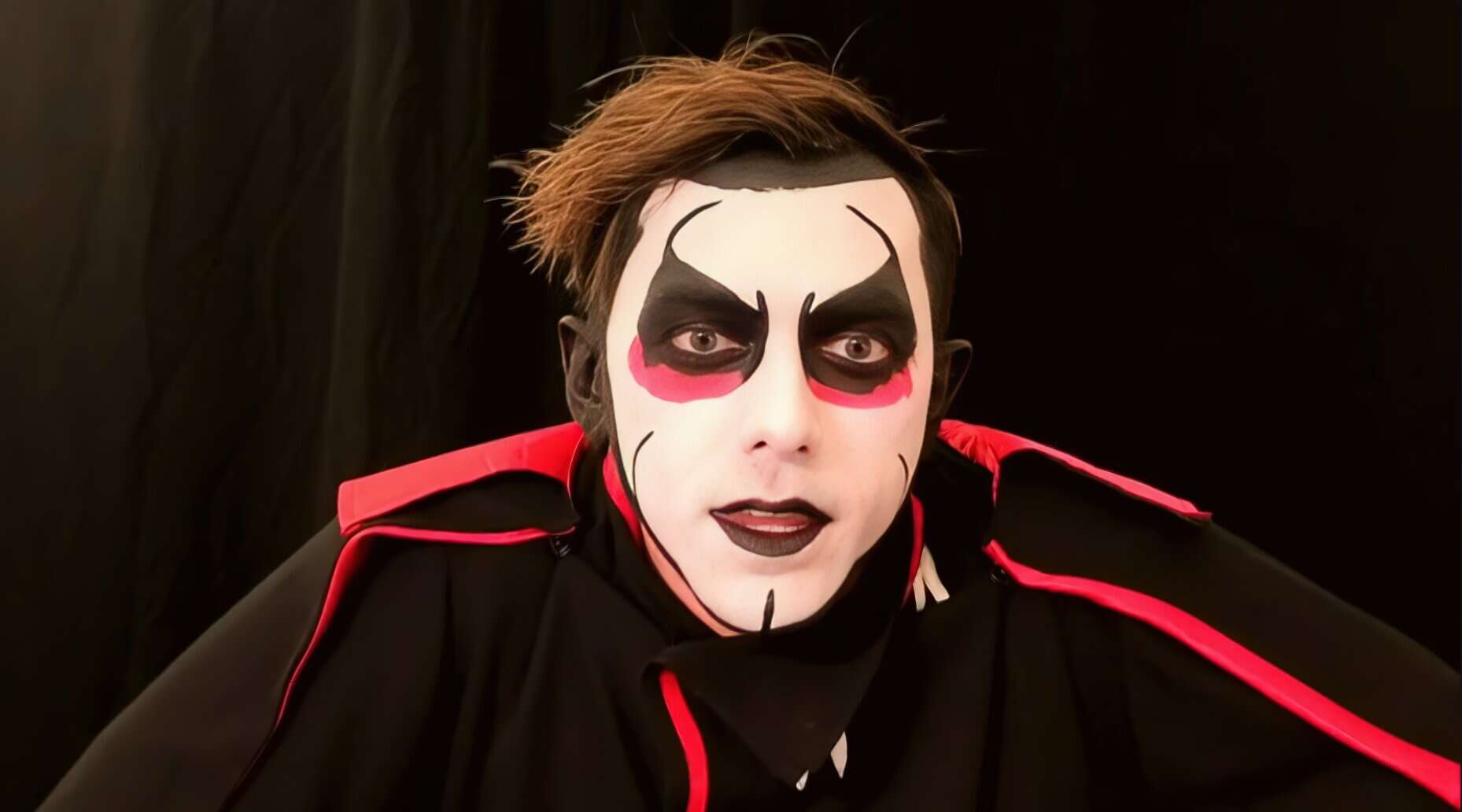
- As Eric Bischoff noted, the next evolution of wrestling media will likely involve finding new ways to market personalities like Danhausen to younger demographics, though successful execution depends on avoiding the pitfalls of previous gimmick-heavy eras.