Measuring Impact Outside the Title Picture
The 2026 wrestling cycle has moved away from marquee, multi-month storytelling toward high-velocity in-ring technical refinement and mid-card elevation. We are tracking the friction points where marquee talent hit ceilings and undercard performers forced executive decisions.
10. The Intercontinental Title Scramble at Backlash
Jey Uso and Gunther delivered a masterclass in pacing that redefined the mid-card ceiling. By shifting from slow-burn psychology to a 22-minute sprint, they forced the audience to treat the IC title as a main-event commodity. It ranks lowest only because the finish relied on external interference, a recurring trope that hindered an otherwise flawless exchange.
9. The Unification of the Women’s Tag Titles
The decision to merge the belts in mid-April addressed a desperate need for consolidated focus. While some purists argue this halved the roster's screen time, it created a unified competitive block with stakes that actually registered. The match quality has risen significantly since the consolidation, proving that scarcity adds value.
8. The Saudi Event Roster Purge
WWE’s aggressive decision to cut 14 matches from the original preliminary card for the Saudi event signaled a necessary pivot toward quality. Fans who paid for tickets were vocal about the filler, forcing the promotion to shorten runtimes. The result was a tighter, three-hour broadcast that felt less like an obligation and more like a competitive product.
7. The Clash in Italy Pivot
As Ringside News noted, the card layout for today’s show was overhauled significantly compared to initial internal projections. Originally, the promotion played with a multi-night setup that would have diluted the stakes. Moving to a single, high-stakes card ensures the Italian crowd gets the A-list headliners rather than developmental placeholders.
6. The Breakup of the Bloodline 2.0
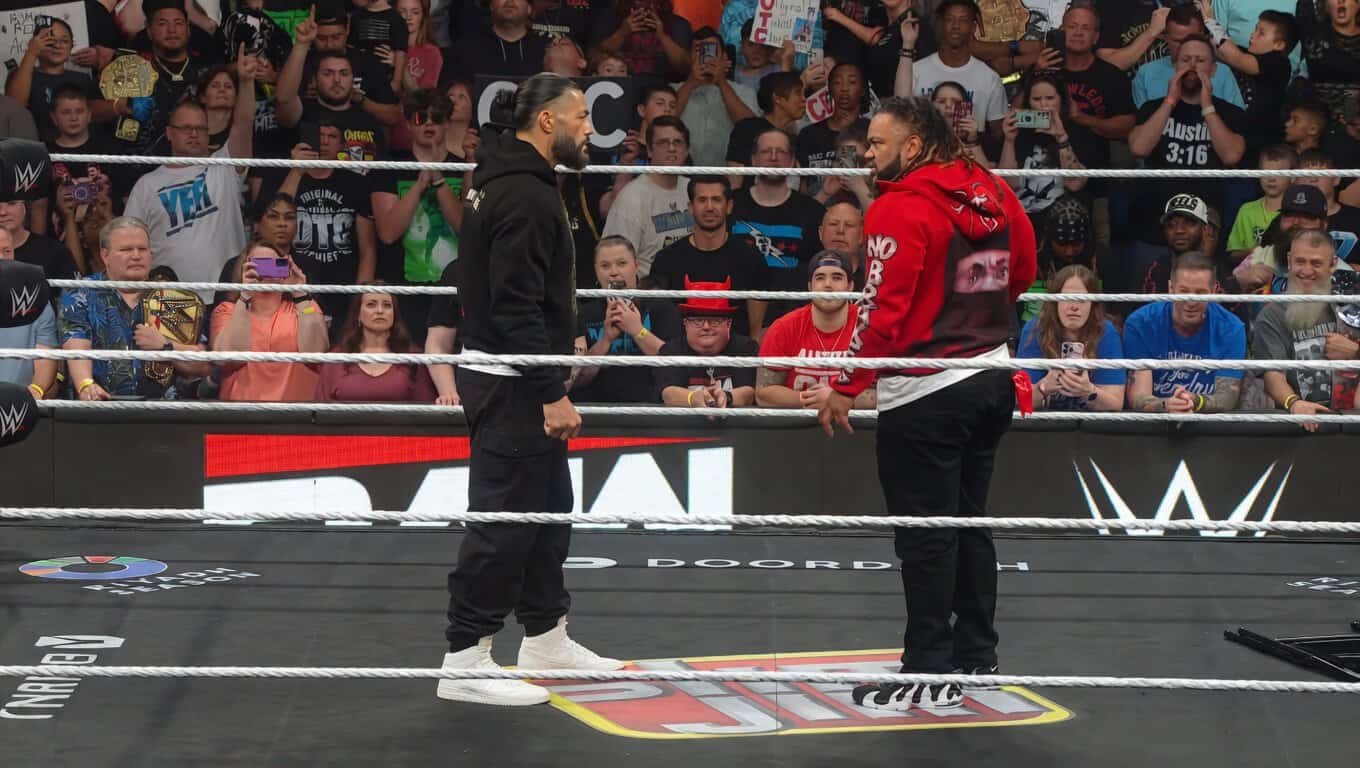
The friction between Solo Sikoa and his lieutenants finally reached a point of no return during the May 12 broadcast. For months, the internal instability held back the group’s narrative momentum. This moment mattered because it purged the creative stagnation that plagued the faction since the start of the year.
5. Sami Zayn’s Clean Fall to Chad Gable
In a shocker that caught even heavy betting favorites off guard, Gable secured a pinfall victory in 18 minutes. It was the cleanest loss for a champion in the first quarter, effectively dismantling the 'invincible' booking style. This ranks high because it bucked the trend of 50-50 booking that often stalls momentum.
4. The Main Event Shift in Perth
The decision to place the women’s elimination match in the closing segment of the Elimination Chamber was a strategic victory. It silenced critics who argued the women’s division lacked drawing power for premium live events. By letting the talent go for 35 minutes, the company proved that gender-neutral pacing is not just a PR talking point.
3. The Return of the Cruiserweight Concept
Quietly reintroduced via the Speed tournament, the technical focus on sub-three-minute bouts has been a revelation for the YouTube audience. By restricting matches to very short windows, wrestlers are forced to hit high-impact sequences immediately. It is the most efficient use of talent I have seen in years.
2. The Cody Rhodes-AJ Styles Technical Clinic
This match represented the best 'wrestling' performance of the year by a significant margin. At the 25-minute mark, the sequence of reversals culminated in a Styles Clash attempt that felt earned rather than scripted. It serves as a stark reminder that when you strip away the pyro and the long-winded promos, the matches still define the business.
1. The Triple H Blueprint Reset
The most important moment of 2026 wasn’t a specific match, but the shift in creative philosophy regarding show length. By capping PLE runtimes to 3 hours and 30 minutes, the office acknowledged that fan fatigue is a quantifiable financial risk. This policy adjustment has effectively cured the bloat that defined the 2024-2025 era.
The Big Picture
The 2026 cycle is defined by a ruthless trimming of executive excess and a return to performance-led outcomes. The industry is finally acknowledging that higher volume equals lower engagement, forcing a pivot toward shorter, more intentional card structures.
Honorable Mentions
- The unexpected mid-match injury protocol during the tag division summit: It exposed the lack of depth in the contingency plans.
- The rise of the internet-exclusive title: Fans are finally ignoring the broadcast-only belts for the high-work-rate matches online.
- The sudden, underwhelming conclusion to the tag team tournament: A booking miss that derailed two months of build in seconds.