The Defining Shifts
Professional wrestling thrives on the intersection of reality and theater. The best moments don't just move merchandise; they flip the industry script overnight.
The Ranking
10. The formation of the nWo at Bash at the Beach 1996. Hulk Hogan turning heel was the shock of the decade, yet the execution felt dated almost immediately. While the angle itself was legendary, Hogan’s limited promo range dragged down the segments that followed.
9. The Montreal Screwjob. A professional disaster that birthed the Mr. McMahon character. Without the legitimate chaos of 1997, the aggressive push of the Attitude Era likely falls flat. It matters because it is the rare case where reality improved the storytelling.
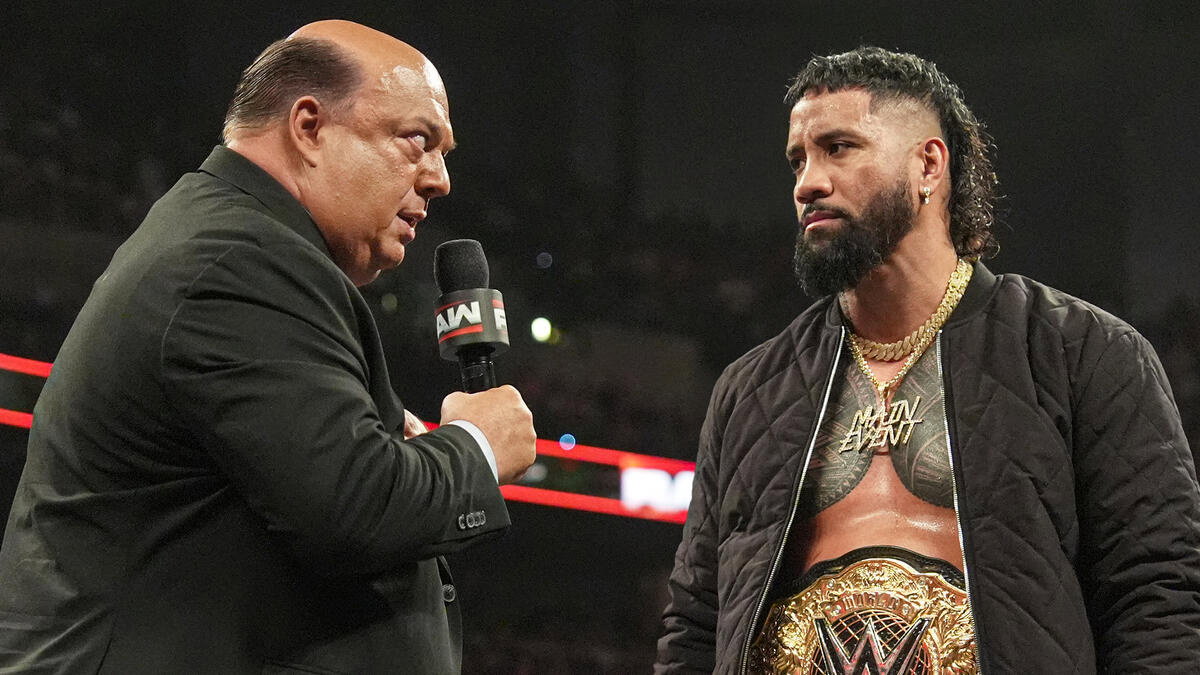
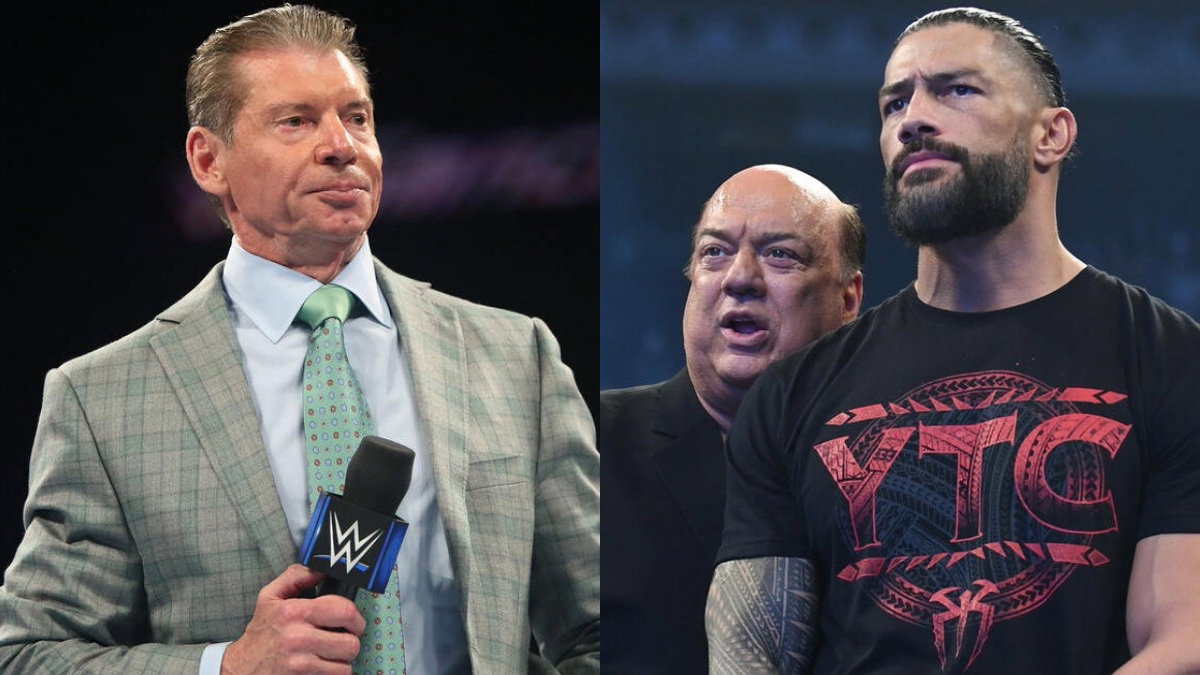
8. Roman Reigns becoming The Tribal Chief. As Paul Heyman recently revealed, Vince McMahon originally wanted Reigns to keep the Big Dog moniker after the 2020 turn. That pivot to the Tribal Chief persona saved his career arc from mediocrity. It ranks here because it represents a rare moment where an executive’s bad idea was overruled for the better.
7. Mankind wins the WWF Title in 1999. The pop when Mick Foley won the belt on Raw is unmatched in modern television history. It forced WCW to reveal spoilers, effectively destroying their own ratings dominance that night. The match itself was a messy brawl, but the emotional payoff was 10/10.
6. Brock Lesnar ending the Undertaker’s streak at WrestleMania 30. The silence in the Superdome was the loudest thing in the history of the business. Fans debated the decision for years, and while it built Lesnar as a monster, the company never properly capitalized on the momentum for other stars. It sits here because the booking was technically sound but creatively divisive.
5. Stone Cold Steve Austin aligns with Vince McMahon at WrestleMania 17. It was an audacious risk that ultimately hurt Austin’s aura. Turning your top babyface against the fans during the peak of the boom period remains a questionable decision. It is a top-five moment only because of the sheer audacity, though it marked the beginning of public interest decline.
4. CM Punk’s Pipebomb in 2011. Punk cut through the produced, sanitized veneer of the industry like a knife. It blurred the lines between work and shoot more effectively than any moment since the 90s. The follow-up booking proved that management lacked the vision to actually capitalize on the groundswell.
3. Daniel Bryan at WrestleMania 30. The Yes Movement remains the purest example of the audience forcing management’s hand. Bryan had to overcome the reality of his size and the skepticism of the front office to close the show. It is the gold standard for long-term emotional payoff.
2. The debut of Monday Nitro. Eric Bischoff launching a live, two-hour show directly against the WWE altered the financial landscape for wrestlers forever. It introduced the concept of the Monday Night War and forced everyone to work harder or disappear. This turned wrestling from a carny attraction into a sports entertainment juggernaut.
1. The formation of AEW. The industry was a stagnant monopoly for nearly two decades until Tony Khan brought real competition to the table. As seen with the current AEW roster depth, the existence of a second major platform has fundamentally changed how agents and talent negotiate. It earns the top spot because it created the current opportunity for everyone involved.
Honorable Mentions
Honorable mentions go to the debut of Chris Jericho in 1999 and the first ladder match between Shawn Michaels and Razor Ramon. Jericho brought legitimate star power, and the ladder match redefined high-spot wrestling despite the lack of logical selling throughout the contest. These moments occupy the spaces between the tectonic shifts listed above.