The Big Picture
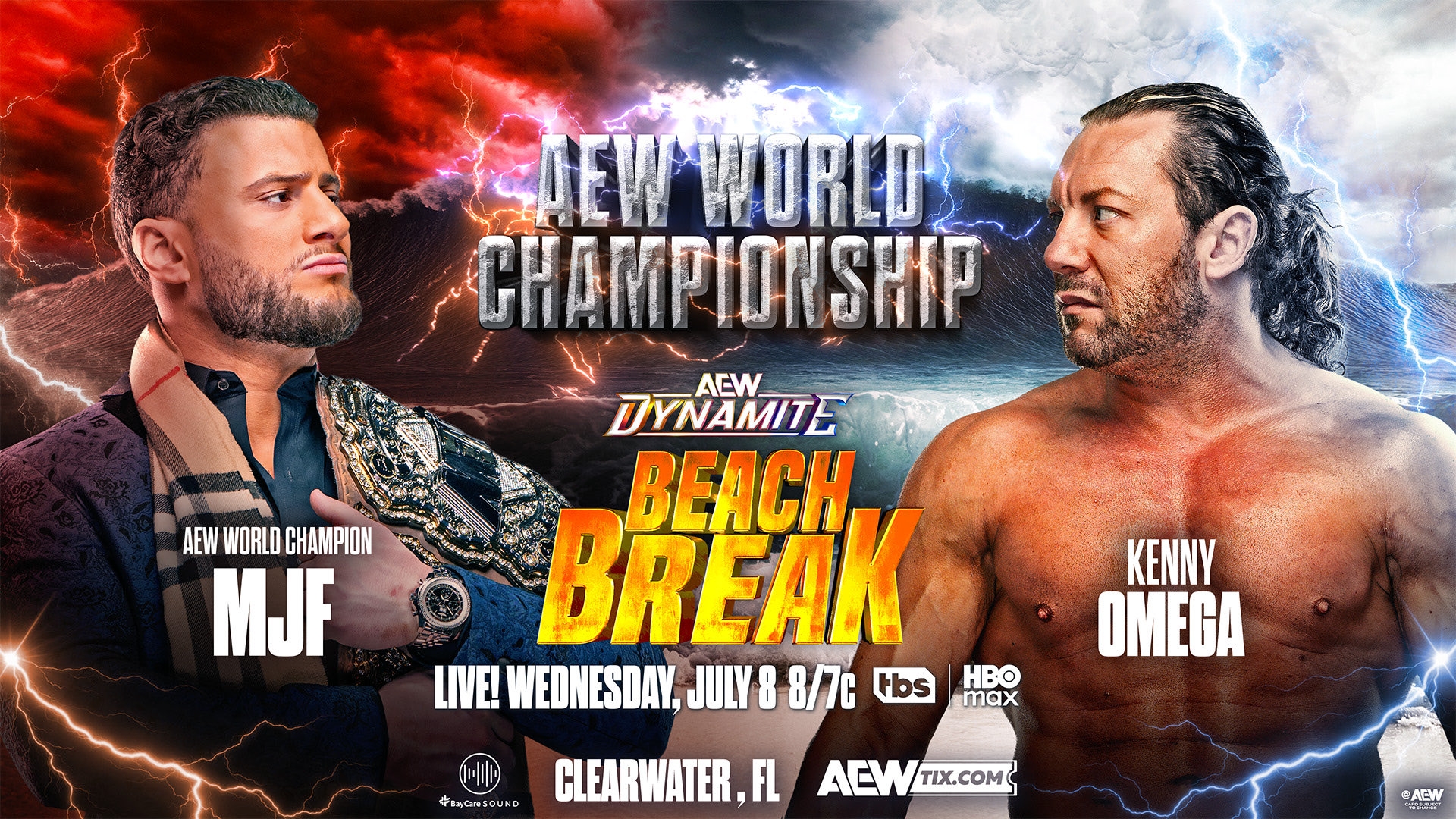
AEW arrived at Clearwater with a show built on transition and legacy. The Beach Break card functioned as a litmus test for the promotion’s ability to weave nostalgia into current title hunt narratives.
The Rankings
10. Paul Wight’s In-Ring Return
Paul Wight steps into the ring before Beach Break, sparking chatter about a potential final run. This was less about match quality and more about the company keeping a veteran asset visible. It serves a niche purpose but lacks the urgency of the top-tier storylines. Fans mostly watched for the spectacle of a giant in the ring rather than a competitive workrate.
9. Ticket Sales Reality
The final ticket count confirms a modest crowd for an outdoor event. Scaling events at parks like Coachman Sound creates a distinct aesthetic, though it limits the raw volume of energy. This ranking reflects the business side of the promotion rather than the production. It was a serviceable house, nothing more.
8. Andrade El Idolo’s Next Move
Andrade finds himself fighting through the Don Callis Family to secure gold. Booking him against such a heat-heavy faction is the right call for his scheduled Dynamite bout. Why it isn't higher? We have seen this specific booking pattern with the Callis stable too many times. It is reliable but predictable.
7. Average Age Metrics
The latest stats on match times and roster age paint a clear picture of the company shift. They are leaning into speed and stamina, cutting back on extraneous segments that don't drive a pin attempt or a submission. This makes for a tighter broadcast. It is a technical win for the production team.
6. Technical pacing improvements
The show avoided the fatal flaw of overbooked mid-card filler. Every segment on July 8 had a clear purpose, defined by whether it advanced a belt or an angle. When you prune the fat, the main event shines brighter. It was the best example of a lean, mean two-hour window they have had in months.
5. Konosuke Takeshita’s Defeat
Taking the fall in the International title match was a tough pill for his fans. He remains a high-workrate powerhouse, yet he consistently hits the ceiling when it comes to holding hardware. This loss serves the narrative, but one wonders if it dilutes his aura as a legitimate killer. He needs a win that matters to rebound.
4. Kyle Fletcher’s Title Victory
Fletcher capturing the International title creates a fresh headlining trajectory for the division. He performed at a high level, providing the workrate fans expect from a major belt shift. It was an earned moment that felt like a reward for his grind. He is now the guy everyone has to go through to get a ranking push.
3. Mick Foley’s TBS Return
Seeing Foley back on TBS after 32 years provided a massive jolt of legitimacy to the broadcast. He didn't just stand there; he engaged, reminding everyone why he is a generation-defining talker. This was the highlight of the mid-show flow. It successfully bridged the gap to the older wrestling demographic without alienating the core audience.
2. The Clearwater Venue Aesthetics
Moving Beach Break to the BayCare Sound was a gamble that paid off. The visuals of outdoor wrestling provided a backdrop that felt distinct from the usual darkened arena. It felt like a summer special rather than a standard Wednesday night pivot. It is the kind of environmental change the company needs to deploy more often.
1. The Pure Narrative Flow
The July 8 broadcast excelled because the wrestling dictated the pace. By prioritizing in-ring resolution for the International title, they fixed the pacing issues that haunted previous episodes. The show hit a 10 out of 10 on the 'watchability scale' for this week. It didn't try to be something it wasn't; it just delivered quality action and left the audience satisfied.
Honorable Mentions
The TNA-cross promotion teases regarding the X-Division remain interesting background noise, even if they didn't happen on this specific card. The ability to pivot between promotions is currently a highlight for the genre.