Measuring Impact at the Top of the Card
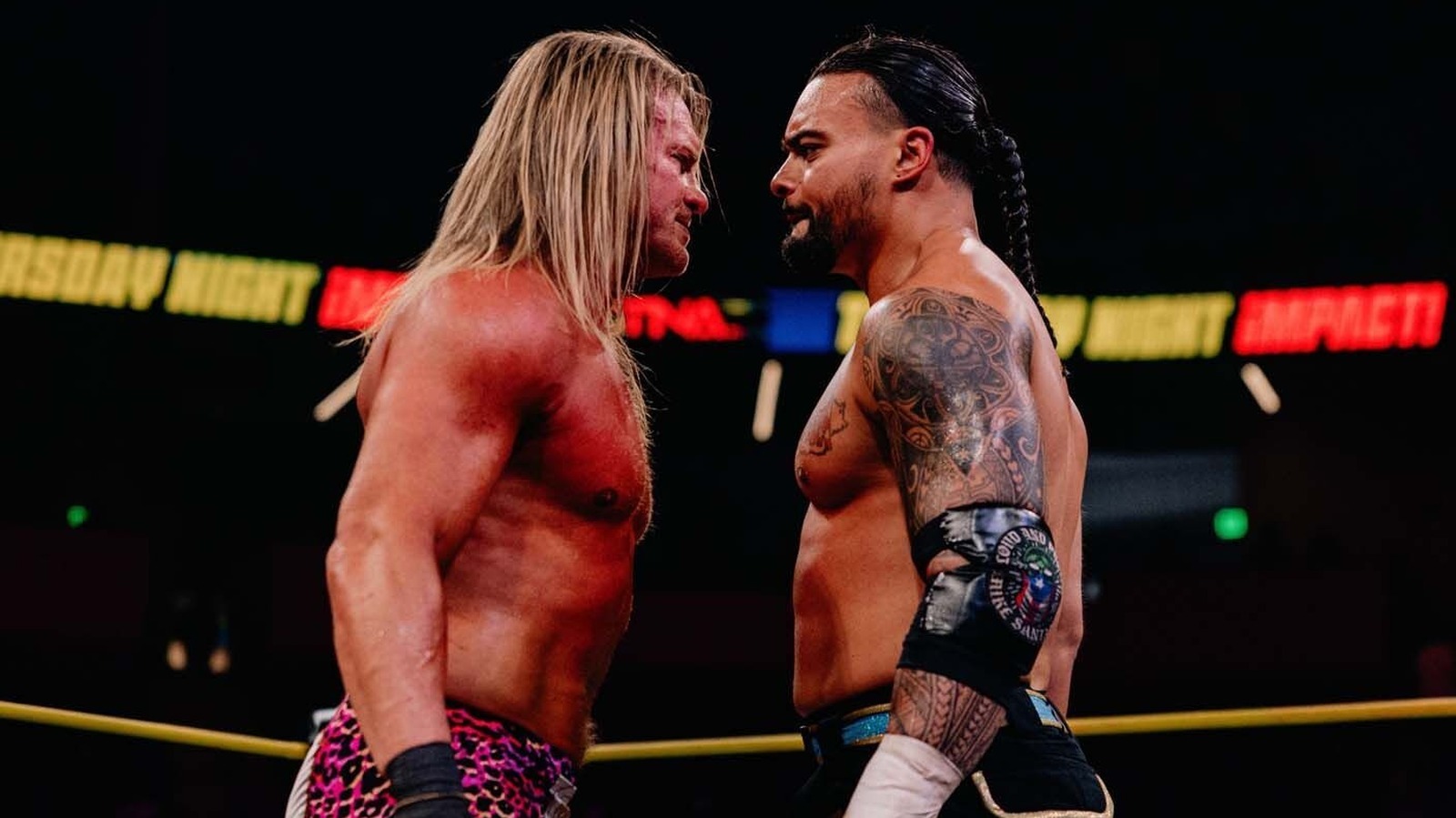
TNA Wrestling is navigating a volatile period for its heavyweight division. With Slammiversary fast approaching, the promotion finds its world champion, Mike Santana, under intense scrutiny from industry veterans. The discourse centers on whether Santana has the necessary momentum to carry the brand as its primary titleholder.
Bully Ray recently weighed in on the situation, suggesting that Santana has struggled to move the needle in his current run. The veteran performer argues that the promotion requires a more established presence at the top of the card to drive viewership and ticket interest. This perspective highlights the inherent tension between pushing rising talent and protecting the commercial viability of a championship belt.
Defining the Slammiversary Narrative
Nic Nemeth stands positioned as the logical foil to Santana’s reign. Many observers view Nemeth, who brings a resume built across various global promotions, as a plug-and-play main event attraction. As Wrestling Inc recently reported, the internal debate involves balancing Santana's long-term development against the immediate need for a proven draw.
Booking a title change at a flagship event like Slammiversary is a tradition intended to reset brand identity. For TNA, the stakes involve more than just a belt. They need to prove that their creative direction can sustain engagement on a crowded weekly wrestling calendar. When a champion creates a debate this public, it speaks to an underlying lack of confidence in the current direction.
Historical Precedent for Title Transitions
Promotions often face the 'transitional champion' dilemma when a new star fails to capture market share. History is littered with examples where companies pivot back to veteran talent when viewership figures stagnate. Santana is currently fighting the perception that he is merely holding the spot until a bigger name is ready to take the mantle.
If Santana loses the title at Slammiversary, it will likely be labeled a failure of the current booking regime. It ignores the reality that performers need time to develop a connection with an audience. Expecting a champion to act as an immediate revenue driver is a flawed metric in an era where fan loyalty is increasingly fractured across multiple streaming services. The pressure being exerted on Santana is common, yet it remains a questionable strategy for building lasting equity.
Strategic Implications for the Locker Room
The external focus on Santana creates a difficult environment backstage. When a company's veterans question the top guy in public, it shifts the focus from the matches to the internal politics of the promotion. This creates a specific set of challenges for the writers to resolve before the next major pay-per-view broadcast.
Failure to stick with a chosen champion can leave a talent buried for seasons to come. If the promotion decides that the Santana experiment has run its course, they must pivot quickly to avoid a mid-card malaise. Slammiversary will serve as the litmus test for whether TNA is committed to a youth movement or if they are retreating to safer, more familiar ground to boost their 2026 quarterly projections.