Slammiversary preparations and health updates
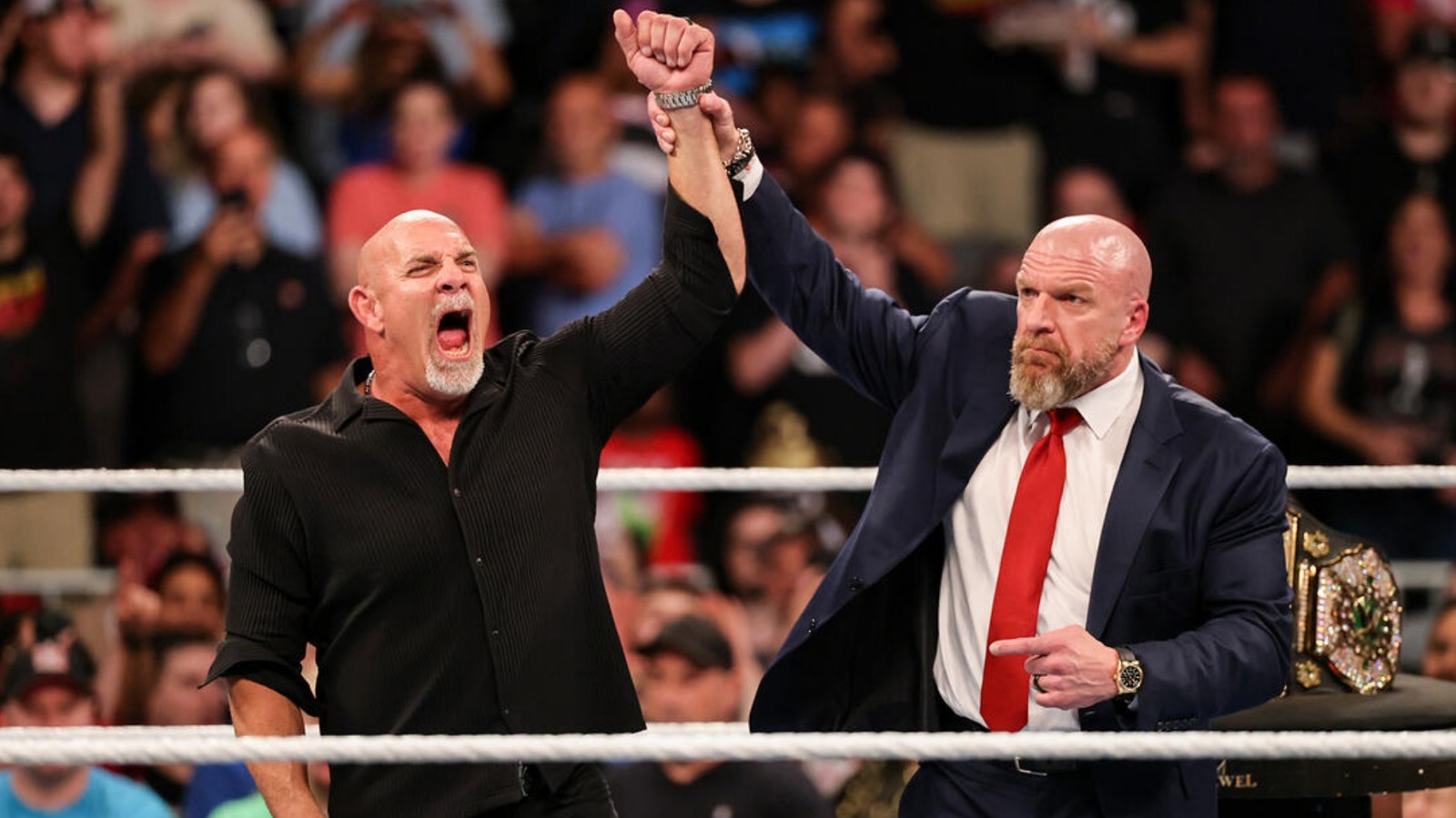
TNA Wrestling is finalizing plans for Slammiversary, with confirmation that a franchise Hall of Famer will appear during the event. This return serves as a focal point for the anniversary spectacle, though the promotion’s medical front remains crowded.
Reports indicate that internal focus is shifting toward talent recovery following a grueling mid-year schedule. The proximity of Slammiversary to the recent Canadian tour has pressured the medical team to prioritize long-term stability over short-term returns. Booking decisions appear to be dictated by who can clear concussion protocols, rather than who offers the most compelling narrative path for the mid-card championships.
The cost of high-intensity performance
Wrestling injuries in 2026 have trended toward repetitive strain and undiagnosed wear-and-tear exhaustion. The physical toll is visible in the ring, where wrestlers are moving with less fluidity despite higher technical execution. Trainers are increasingly cautious about clearing talent for high-impact spots involving unprotected chair shots or top-rope maneuvers that force awkward landings.
We have seen matches abandoned midway due to these precautions. For example, the mid-June television tapings saw a featured bout cut short after a botched moonsault caused a lingering neck issue for one of the primary participants. TNA’s medical staff is balancing the need for TV-ready talent with the reality of an aging, war-torn roster that struggles to maintain rhythm during extended road loops.
Strategic implications for the division
The reliance on Hall of Fame nostalgia often masks the instability of the current active roster. When legends are brought in to buffer the star power of the Slammiversary card, it creates a lopsided expectation for the younger talents tasked with carrying the heavy lifting in 20-minute matches. The promotion needs the veterans to stabilize the brand, but the long-term health of the company rests on whether the current active roster can remain injury-free for a full fiscal quarter.
TNA management has not yet released a definitive timetable for several key figures on the injured list, leading to a scramble in the booking room. This is a common failure point; relying on temporary fixes rather than established recovery windows creates gaps in the narrative. If talent stays out for more than 60 days, the creative momentum of a championship pursuit effectively evaporates, forcing fans to disconnect.
The logistical hurdle
As PWInsider reported, the Slammiversary card is being constructed with an eye toward historical significance, but the logistical pressure of touring outside the United States continues to complicate talent management. The proximity to the Canadian dates has accelerated burnout. Moving talent through customs while managing physical recovery is a delicate operation that has likely hampered the quality of recent television segments.
Expect the production team to rely heavily on pre-taped vignettes for the upcoming weeks. This limits the exposure of injured performers while keeping them on-screen. However, it also highlights the lack of depth in the current rotation. When multiple main-eventers are unavailable simultaneously, the product suffers from a predictable stagnation that is hard to shake until the next major pay-per-view cycle begins.
Historical context and medical outlook
Historically, TNA has struggled to maintain consistent momentum during the summer months when travel costs spike and injury rates reflect the accumulation of a hard-hitting spring season. Similar situations in 2024 saw the company rotate through their reserve roster, which led to a lukewarm reception from the core audience. The current pattern of relying on short-term medical leaves is a recurring theme that leadership has yet to address through any significant change in the training or travel schedule.
Fans should monitor the status of the X-Division performers closely. This group traditionally carries the high-risk load for the company. Should the frequency of these injuries continue the current pace, expect a shift in booking style away from high-flying spots. Management will likely favor technical, ground-based sequences to protect the assets they have left. The lack of clarity regarding return dates for various roster members remains the most critical issue for the organization heading into the back half of June.