Internal fracture points at TNA
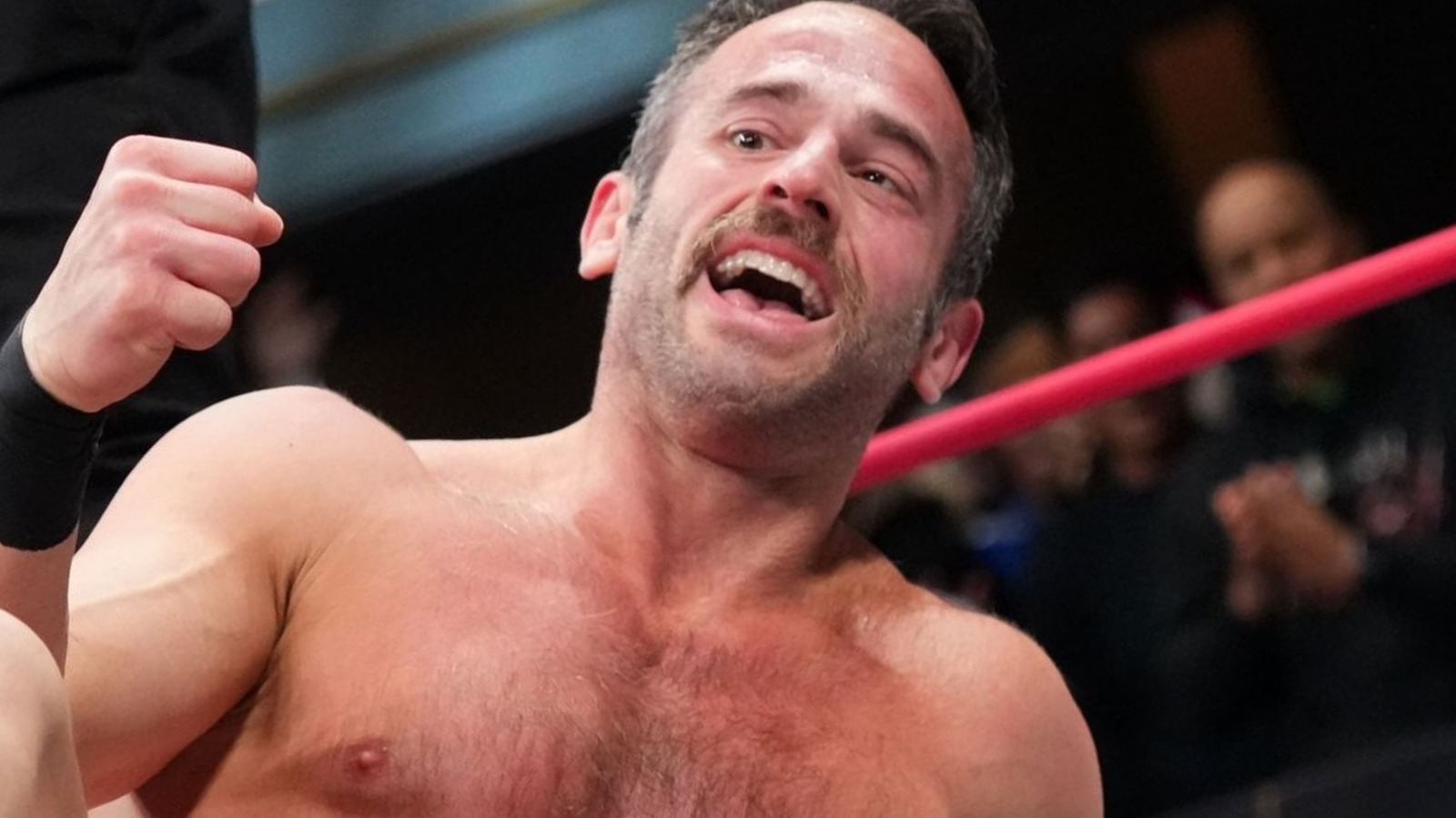
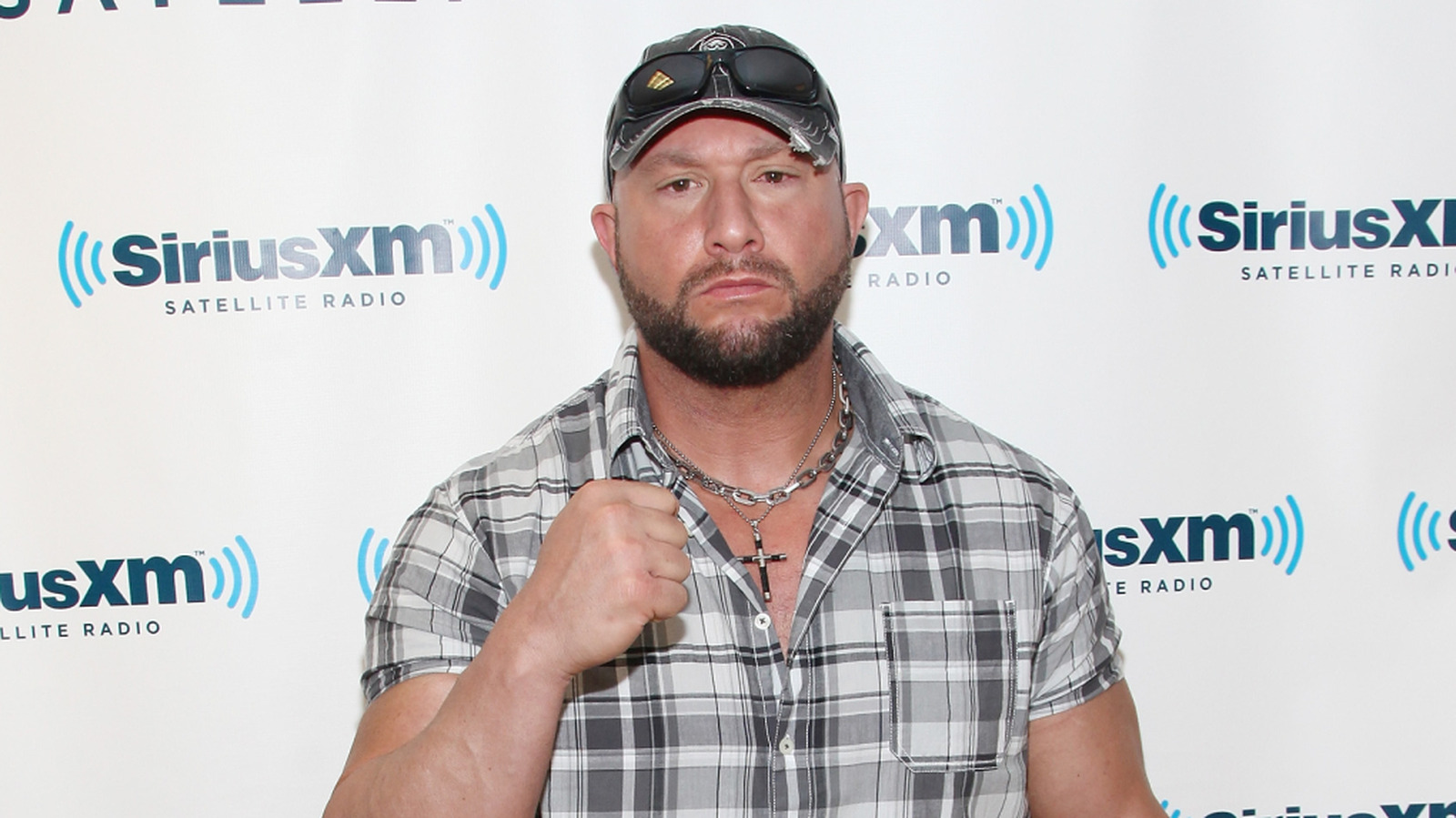
TNA Wrestling enters the middle of July 2026 under a cloud of internal instability. Recent reports regarding the company culture suggest that the locker room is dealing with frustration that stems directly from upper management rather than roster friction. Veteran performer Bully Ray provided a blunt assessment of these issues during his recent media appearances, arguing that the leadership in charge is the root cause of the current environment.
This is not the first time TNA has faced questions regarding its organizational direction. Historically, the company has cycled through various management structures, often resulting in inconsistent booking and shifting talent expectations. This latest tension comes at a time when the roster is attempting to build momentum, making the disconnect between the performers and the front office felt by fans and industry observers alike.
The impact on the ring
The core issue here is not about a specific injury or a singular bad match, but the institutional fatigue that often precedes physical decline in professional wrestling. When morale dips due to administrative instability, performers often subconsciously limit their risk profile. This leads to safer, less inspired matches where talent avoids the high-impact sequences that define modern, high-intensity wrestling.
We saw this before during the mid-2010s era of the promotion. Talented wrestlers who were capable of main-event level performances often found themselves hampered by backstage chaos. It leads to a clear stagnation in the product. Instead of seeing fresh storylines develop, the audience is served repetitive segments that feel uninspired. The drop in quality is palpable when the frustration of the talent translates into a lack of urgency between the ropes.
Strategic risks for the locker room
Bully Ray’s commentary suggests that the rank-and-file talent is frustrated by decisions that appear disconnected from the product's needs on the ground level. For a company fighting to regain its footing, this is a significant bottleneck. Management failure inevitably leads to top-tier talent looking at their contracts with an eye on the exit door. If the locker room feels that they are not being supported, they will eventually prioritize their own longevity over the brand.
Consider the logistical hurdles when leadership is out of sync. Without clear vision, the mid-card becomes a graveyard of booking ideas that never progress. Fans are quick to identify when a match lacks a clear purpose. There is a 0% chance that product quality improves if the people steering the ship are at odds with the team performing the maneuvers. This internal conflict acts as a weight on every segment on the weekly card.
Historical context and warnings
Industry veterans know that locker room morale is the most fragile commodity in wrestling. When the talent feels that the top brass is inept or disconnected, the matches suffer immediately. We are seeing a pattern that mirrors previous cycles of TNA management: high expectations from the talent offset by an inability to execute from the office. It creates a vacuum of leadership that forces veterans like Bully Ray to speak out publicly.
The current situation is not just a PR hurdle. It is a fundamental operational failure. If management does not resolve these tensions, we can expect to see a regression in match quality throughout the remainder of 2026. This isn't about one bad pay-per-view or a botched finish. It is about a recurring problem that sees the promotion struggling to maintain a cohesive environment for its athletes. Every wrestling company eventually reaches a breaking point where internal chaos begins to manifest as a lackluster product on television. TNA is currently dancing on that threshold.
As reported by Wrestling Inc, the frustration voiced by those on the roster highlights that the problem is top-down. The fans deserve better than a promotion fighting itself while trying to compete for viewership. If the boardroom cannot provide stability, the physical toll on the performers becomes even harder to justify. It turns every signature move into an act of wasted effort in a system that does not have their back.