The Anatomy of a Rumor
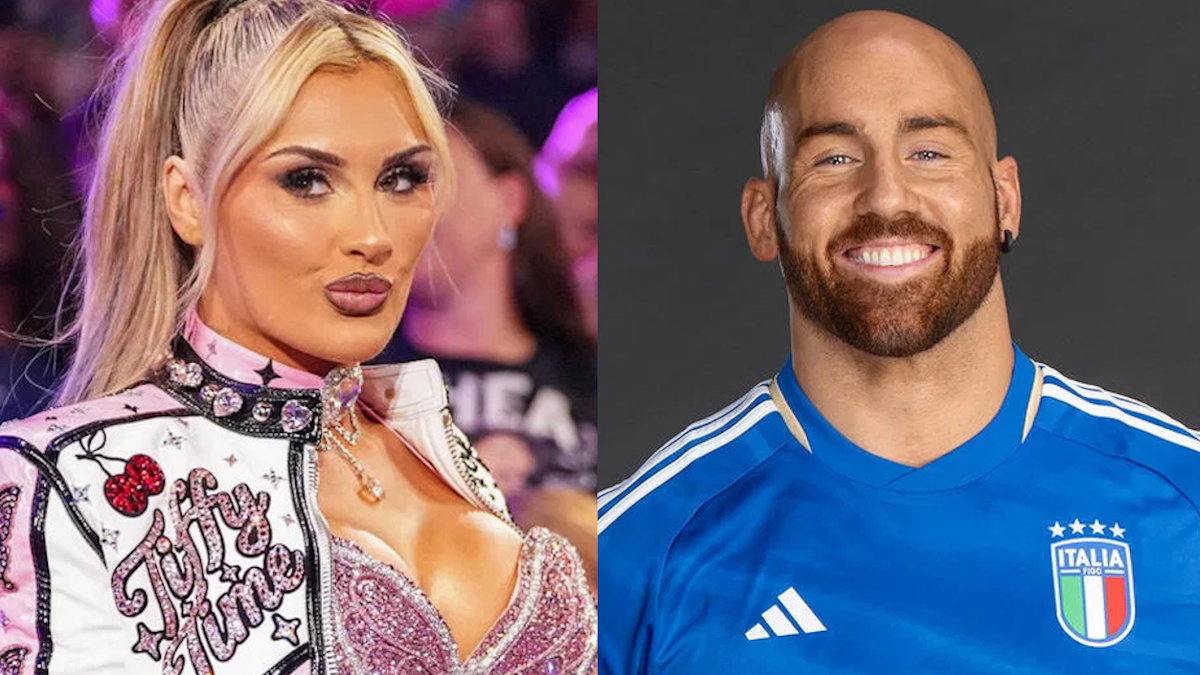
Tiffany Stratton is cutting through the noise. The WWE superstar publicly addressed a growing online conspiracy regarding cosmetic surgery this week. As Ringside News reported, fans have spent days circulating claims that the former NXT Women's Champion is "plastic from head to toe," attempting to link her physical appearance to alleged downtime. Stratton rejected the claims outright. She shut down the rumors with a direct statement, refusing to let internet commentators dictate her physical health record.
The accusations reflect an ongoing friction between wrestling's digital fanbase and the physical realities of the performers. Stratton operates as a high-velocity athlete. Her entire offensive toolkit relies on elite gymnast-level core strength and joint stability. You don't execute a triple-rotation springboard senton with a compromised physical frame. The idea that she is undergoing extensive cosmetic overhauls while maintaining her current television and live event schedule ignores the basic medical requirements of her job.
The Biomechanics of Survival
Let's look at the biomechanics of her signature maneuver. The Prettiest Moonsault Ever requires significant rotational torque. Launching backwards from the top turnbuckle places immense stress on the anterior cruciate ligament and medial collateral ligament upon landing. Medical professionals assigned to WWE's performance team monitor these impact metrics weekly. A performer recovering from invasive cosmetic procedures would fail the baseline clearance tests required for that specific move.
The sheer force generated by her launch would risk catastrophic failure for any unhealed surgical sites.
Recovery windows for cosmetic surgery are rigid and unforgiving. A standard breast augmentation or rhinoplasty requires a minimum of six to eight weeks of zero high-impact physical activity. There is no fast-tracking tissue healing. We have seen this play out historically. Charlotte Flair missed several months of television in 2018 following a ruptured implant. The blunt force trauma of the ring caused the rupture, necessitating immediate surgical intervention and a lengthy rehabilitation period.
The medical protocols are strict. If Stratton had gone under the knife for the extensive procedures fans are alleging, she would be medically disqualified from taking a simple flat back bump, let alone her current main event schedule. The math simply does not align with the reality of professional wrestling.
Historical Blind Spots and Double Standards
The speculation isn't just inaccurate. It highlights a recurring blind spot in how modern wrestling audiences evaluate female talent. We are watching a generational athlete who spent years in the USA Gymnastics system. In that environment, athletes endure stress fractures, torn cartilage, and chronic tendonitis just to qualify for national tournaments. Her current muscle density and body fat percentage are the result of programmed hypertrophy and Olympic-level conditioning. Labeling that physical baseline as "plastic" diminishes the actual athletic suffering required to maintain it.
There is also a broader industry angle here. WWE's current medical staff operates differently than the medical teams of the early 2000s. During the Divas era, the company openly encouraged cosmetic enhancements. Performers were occasionally given time off specifically for aesthetic surgeries to fit a corporate mold. Today, the medical department prioritizes athletic longevity and concussion protocol over aesthetic modifications.
The transition away from that era was slow but necessary. When the Performance Center opened in Orlando, the developmental system completely overhauled its physical testing metrics. The coaches stopped focusing on swimsuit calendar readiness and started measuring vertical leap, deadlift maximums, and agility drills. Stratton is a direct product of that performance-first pipeline. Her ability to execute complex chain wrestling sequences proves the value of that developmental shift.
Approving time off for non-essential cosmetic work during a premium live event cycle is actively discouraged by the current management structure led by Triple H. The focus has shifted entirely to in-ring output and injury prevention. This is where WWE's booking often fails its talent. The creative team frequently demands high-risk spots on weekly television, risking severe injury for a minimal ratings bump rather than saving those bumps for major events. Stratton needs to be protected from that exact booking trap.
The Real Medical Reality
Stratton's schedule backs up her denial. Over the last three months, she has worked a grueling loop of domestic live events, international television tapings, and premium live events. Her match times consistently exceed the 15-minute mark. You cannot fake cardiovascular conditioning. A body recovering from recent surgical trauma cannot sustain a heart rate of 170 beats per minute for a twenty-minute broadway.
Look at her recent television bouts against top-tier physical opponents like Bianca Belair or Jade Cargill. Stratton routinely absorbs multiple heavy powerbomb variations and high-angle suplexes. The impact of those bumps reverberates through the cervical and lumbar spine. The medical staff at ringside, who monitor every match closely, would have stopped the contest immediately if there were any indication of physical compromise.
Stratton is dealing with the standard wear and tear of a full-time WWE schedule. The actual medical realities she faces daily include:
- Minor muscular contusions and soft tissue damage from ring ropes
- Chronic joint inflammation in the knees and lower back
- Micro-tears in the shoulder girdle from basing for heavier opponents
Managing these micro-injuries requires hours of physical therapy, cold exposure, and targeted mobility work. That is the real physical maintenance happening behind the scenes. She is spending her time in ice baths, not recovery rooms.
Closing the Book on the Rumors
The online echo chamber moves quickly, often prioritizing scandal over biology. It is worth noting the double standard at play. Male performers routinely alter their physiques through aggressive dehydration protocols and controversial off-market supplements, often receiving praise for their dedication. When female performers display similar physical changes through intense conditioning or diet, the immediate assumption defaults to surgical intervention. It is a lazy analytical framework that needs to be retired.
Injuries will eventually happen. The math catches up to everyone who steps between the ropes. The human body is not designed to absorb the kinetic energy of a professional wrestling match three nights a week. When Stratton does require medical downtime, it will likely be for the same reasons as her peers: a blown knee, a separated shoulder, or a severe concussion.
WWE's medical team will keep monitoring her workload. The road to the summer premium live events is notoriously brutal. With AEW Double or Nothing just days away on May 24, and the broader sports world gearing up for the Champions League Final and the massive FIFA World Cup kickoff on June 11, the competition for viewership is immense. WWE needs its top stars healthy, active, and firing on all cylinders.
Stratton's response sets a boundary. It forces the conversation back to the ring. For a beat reporter tracking injuries and athletic performance, her statement is a clear medical update: there is no surgery, there is no downtime, and there is no physical compromise. She is simply going to work.