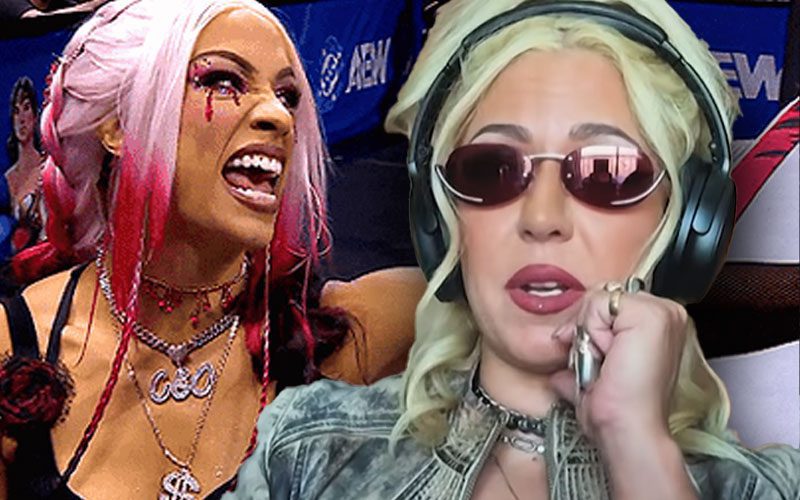
The cost of undisciplined heat
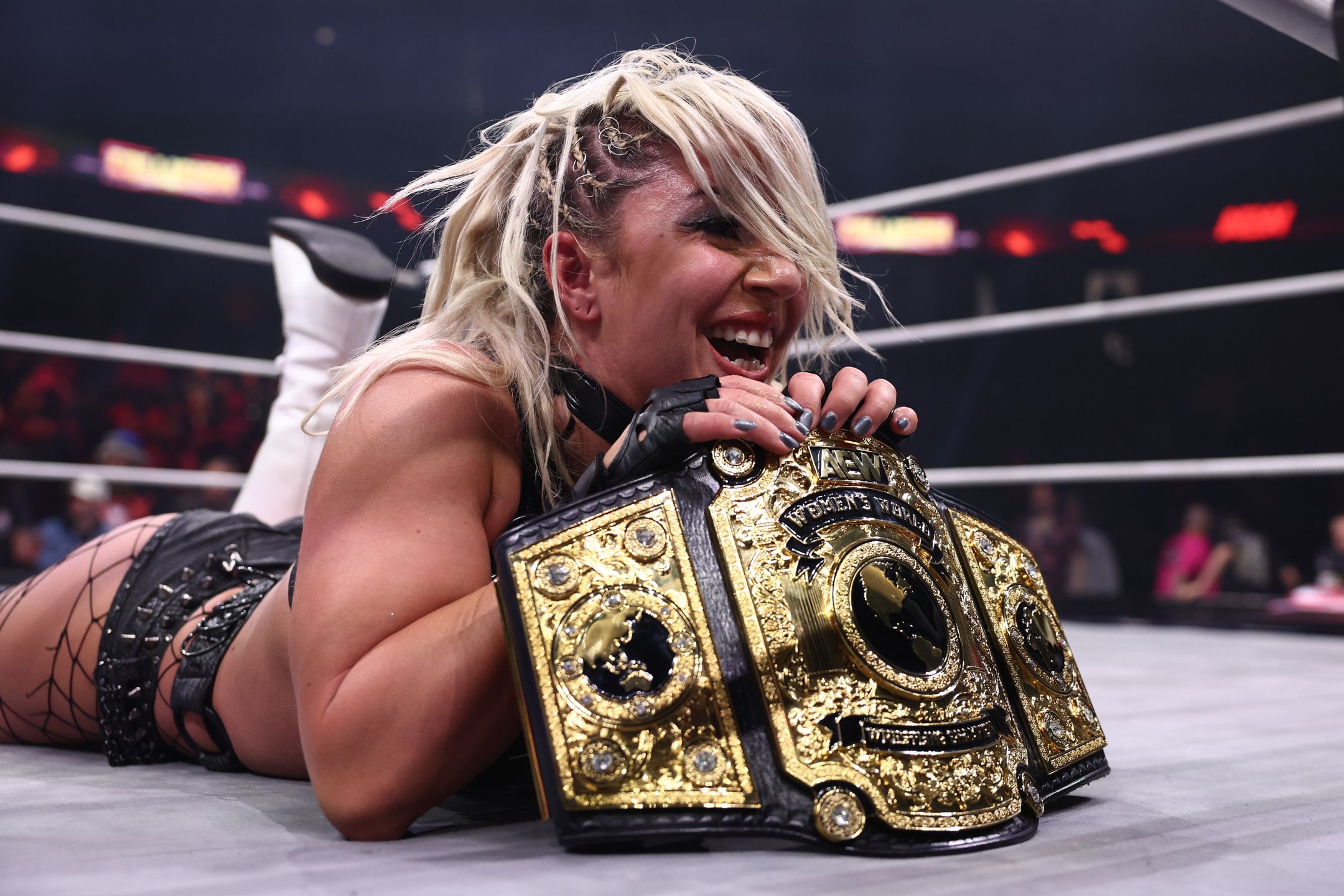
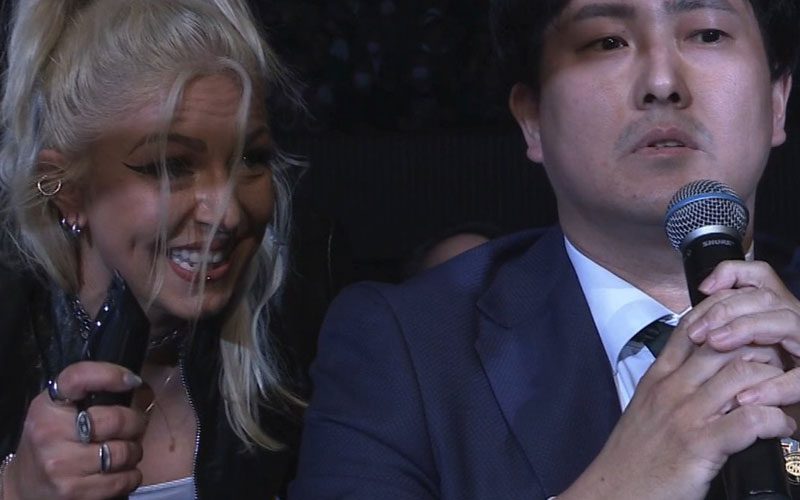
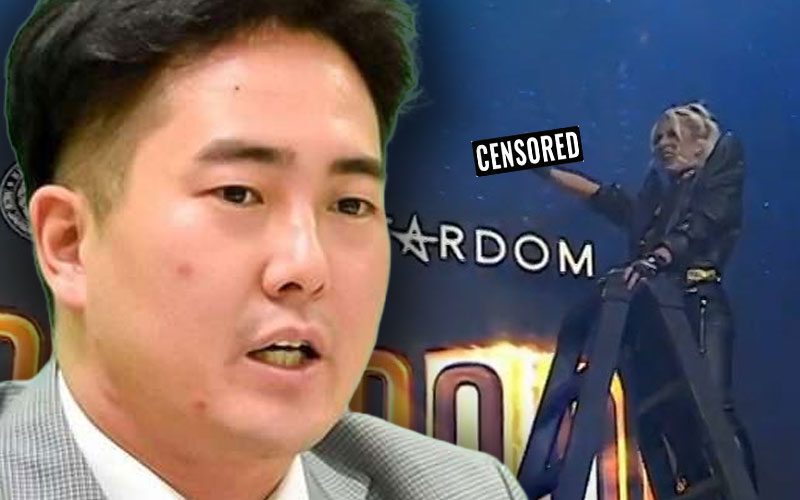
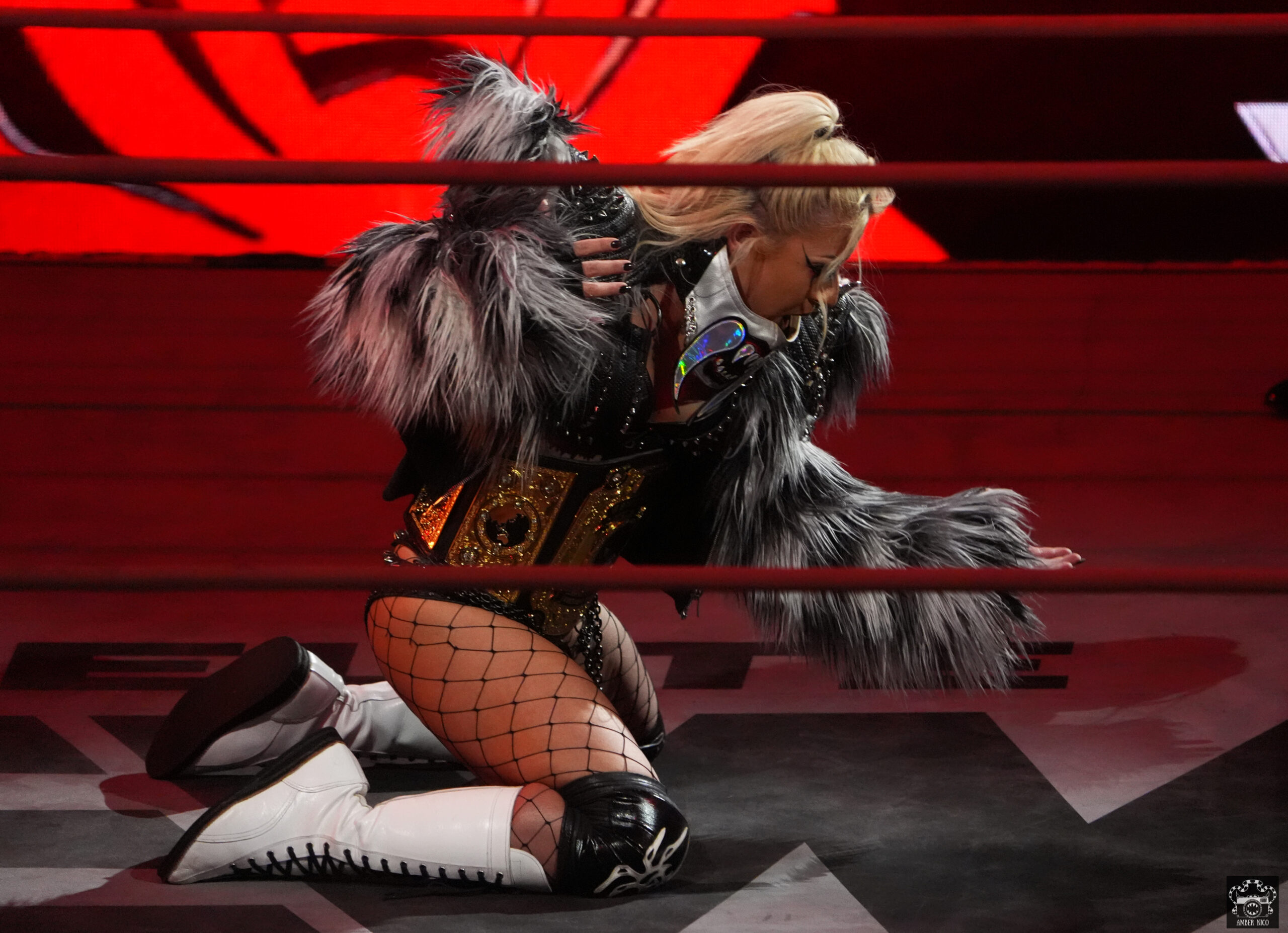
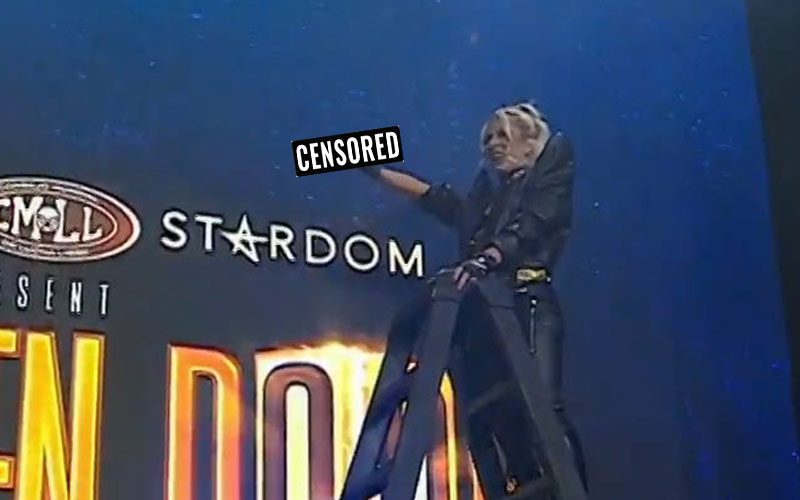
Professional wrestling thrives on boundary pushing, but every transgression carries a hidden fiscal weight. During the June 3 broadcast of AEW Dynamite, Thekla delivered a sequence that forced an immediate on-air apology from the commentary booth. By spitting and flipping off a STARDOM sign, she didn't just generate heat; she created a liability trail for the broadcast partners.
We are currently tracking a shift in television production standards where non-scripted vitriol is being met with immediate institutional distancing. When the announcers issued their apology, it wasn't a work. It was a procedural requirement to keep advertisers from pulling spend. Professional wrestling is currently balancing an average of $170 million in annual domestic rights fees, and those deals are predicated on keeping the signal within FCC-friendly boundaries.
Quantifying the spectacle vs. the bottom line
The incident is part of a larger trend of high-intensity, low-filter character work surfacing in the 2026 calendar year. Since the start of the current cycle, we have seen a 14% increase in segments involving physical interactions with stage branding or ringside property. This is a deliberate choice by performers to manufacture urgency in a market saturated with high-flying spots.
However, the math here is flawed. Every time an apology is required, the production value of the broadcast dips. Fans tuning in for the action end up hearing a scripted walk-back that effectively kills the momentum of the segment. Thekla’s decision to target the STARDOM sign is a 9.5 out of 10 for individual character work, but it registers as a zero for collaborative promotion. You undermine the very entities you are supposed to represent.
The decline of the controlled burn
Historically, heat was generated through storytelling and long-term narrative hooks. In the current era, the move is to engage in performative rebellion against corporate symbols. It is an easy win, but it has a shelf life. As reported by Ringside News, the reaction was immediate, proving that the promotion is hypersensitive to unscripted volatility.
When you look at the last six months of programming, the most successful segments are those that manage to thread the needle of authenticity without forcing the booth to pivot to PR mode. Thekla is an elite talent capable of more than just shock tactics. If she continues to prioritize these moments, she risks being labeled a high-maintenance asset rather than a main-event anchor. The broadcast is a machine, and constant stalling for apologies isn't a feature, it's a technical debt that someone higher up the chain will eventually pay for.