The fallout from UFC Freedom 250
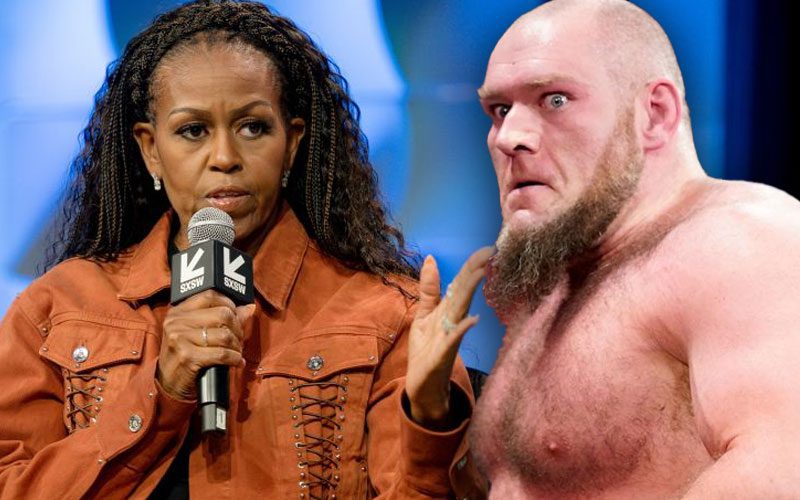
The industry is grappling with a distraction that has little to do with work rate or booking decisions. Josh Hokit, a figure with deep ties to the wrestling circuit, ignited a firestorm during his appearance at UFC Freedom 250 this past week. His commentary regarding Michelle Obama redirected the spotlight from his athletic profile toward a cycle of online vitriol.
This isn't just about a one-off comment during a broadcast. The discourse surrounding the situation has bled into the professional wrestling sphere, involving former WWE names who have leveraged their platforms to amplify the rhetoric. The current conversation is dominated by social media polarization rather than happenings inside the squared circle.
Former WWE stars seize the megaphone
Val Venis has been the loudest voice throughout this sequence of events. He directly engaged with a post made by Titus O'Neil, who had previously defended Michelle Obama in the wake of the initial comments from Hokit. Venis chose to escalate the situation significantly, using his public platform to repeat debunked and inflammatory claims regarding the former First Lady's identity.
The rhetoric from Venis goes far beyond simple professional disagreement. The content of his various social media updates, as reported by Ringside News, signals a move toward extreme incendiary commentary. By framing his position as a direct rebuttal to O'Neil, Venis has effectively anchored his public brand to the most toxic fringes of the political debate.
Lars Sullivan joins the fray
Lars Sullivan has also entered the conversation, shifting the focus to a critique of public reaction to the controversy. Sullivan, whose history in major promotions is marked by a series of real-life controversies that damaged his career trajectory, questioned why the political establishment would react so strongly to such statements.
Sullivan's involvement highlights a recurring problem: the degree to which former talent feels comfortable engaging in culture war topics that have zero upside for their public image. As noted by Ringside News, the decision to engage in these debates rather than pivots away from the noise reflects a trend where engagement metrics are prioritized over professional credibility.
The industry impact
The wrestling business is currently struggling to distance itself from these outbursts. While talent has a right to their personal political opinions, these specific instances represent a breakdown in basic decorum. The reliance on conspiracy-laden tropes is not constructive for the sport or its growth.
Critically, this behavior alienates a broad portion of the potential audience. By allowing the platform to be utilized for disparaging remarks, participants risk pushing away sponsors and mainstream media interests. The industry has fought for years to shed its reputation for being behind the times on social issues, yet this latest round of comments drags the discourse back into the mud.
There is also a functional question: why are these figures choosing now to dive headfirst into such vitriol? For veterans like Val Venis, whose active career in prominent promotions has long since ended, the reliance on high-conflict online interaction seems to be their primary method of remaining relevant. This strategy is transparent, deeply unproductive, and corrosive to the overall enjoyment of the medium for those watching from the outside.
The contrast between modern stars who focus on their craft and the vitriol spewed by these former names could not be more sharp. While the roster is currently producing top-tier wrestling, the narrative is being hijacked by people with nothing left to add to the sport. The noise generated by these comments has reached a deafening level, distracting from legitimate developments like those found in the latest updates on the situation.
Looking ahead, the promotion of such viewpoints will likely only harden the lines of division among fanbases. The industry needs a return to focus on athletics. When the focus shifts to these fringe political rants, the product as a whole suffers. It is a failure of brand management on the part of the individuals involved, and a headache that promoters have no desire to address, yet will eventually have to confront if the noise does not subside.