WWE's roster is a bloated legacy codebase that needs a refactor
WWE’s current roster is like a 70-billion parameter model trying to run on a Raspberry Pi. It is too big, it is too heavy, and eventually, the hardware just gives up. We are nine days away from Allegiant Stadium hosting the most expensive pyro display in human history for WrestleMania 41, and yet, a massive chunk of the locker room is basically being told to stay at the hotel and order room service. It is a logistical nightmare masquerading as a talent surplus.
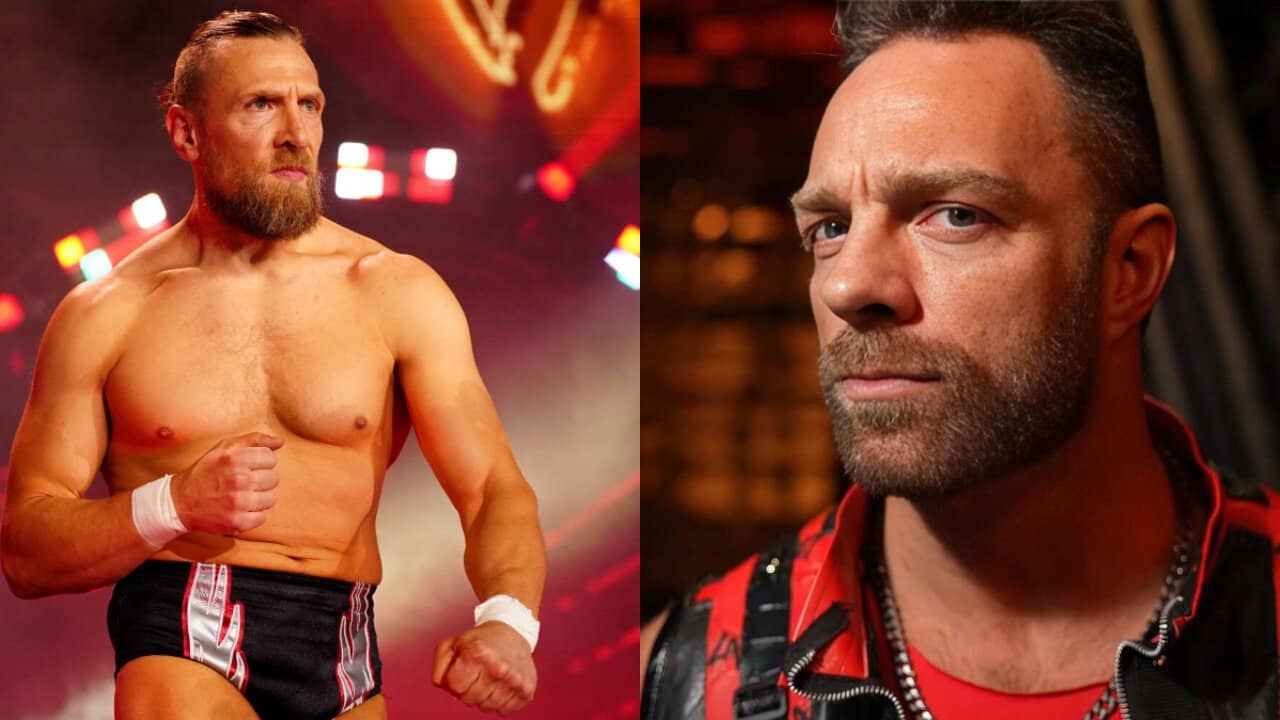
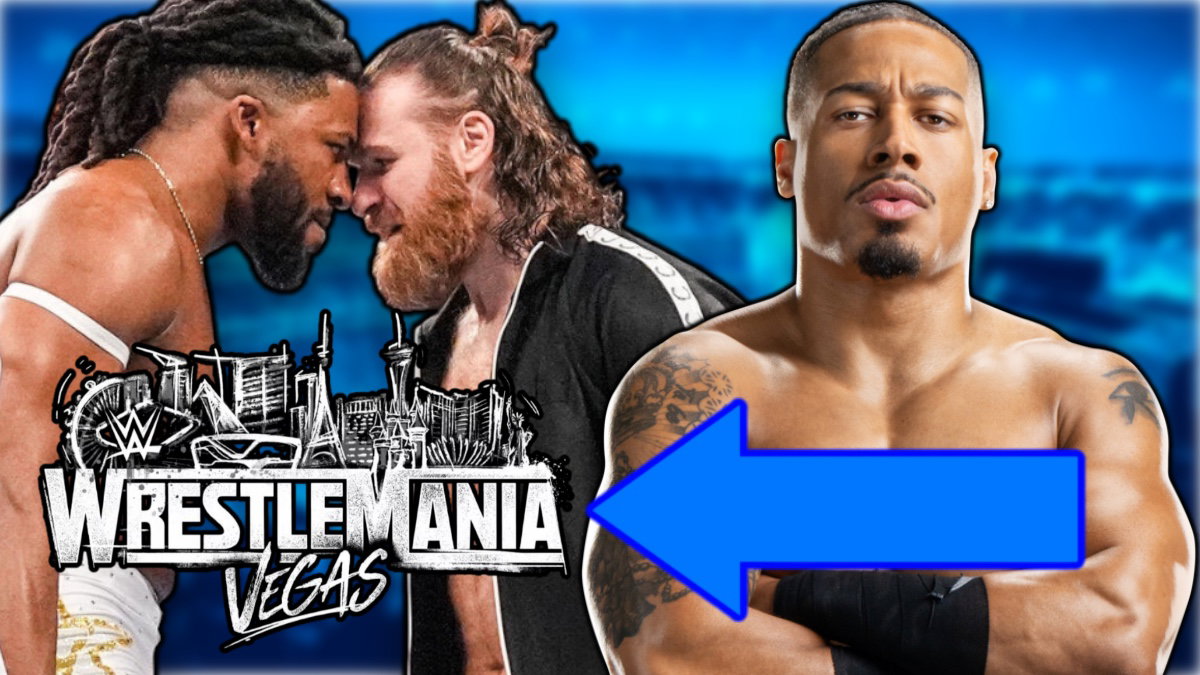
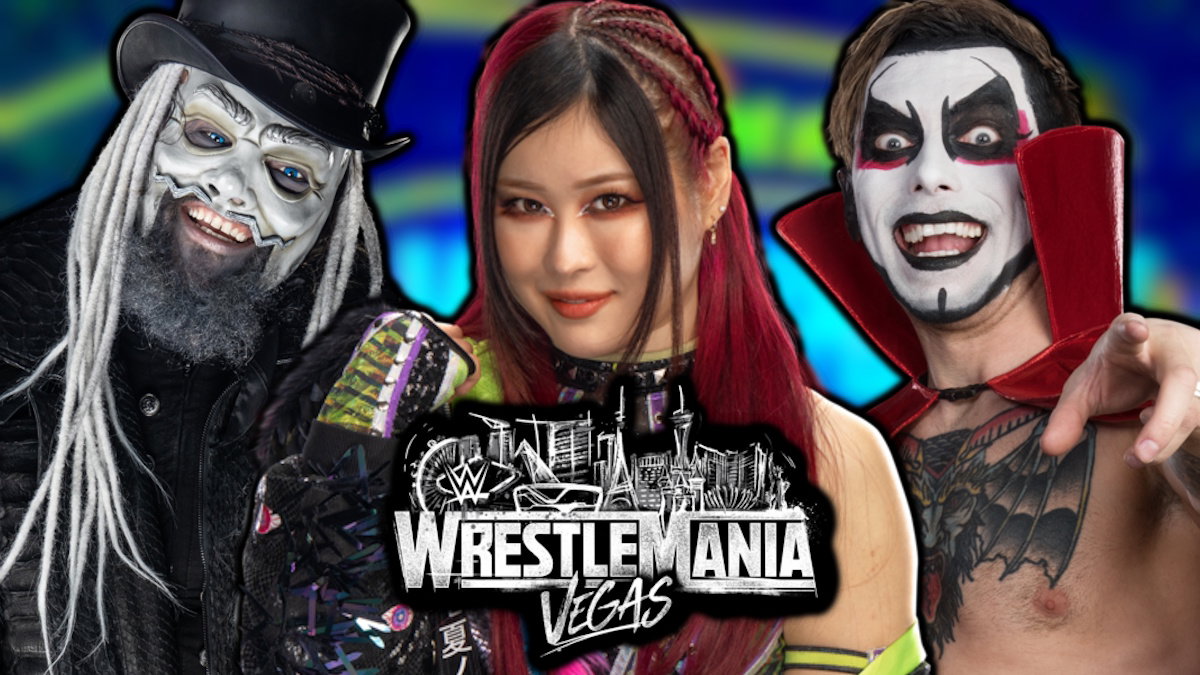
According to WrestleTalk, there are at least 13 names currently scheduled to do absolutely nothing in Las Vegas. While that report weirdly looks ahead to next year, the reality on the ground for April 19 is even more grim. When you have two nights of television to fill, you would think there is room for everyone. Instead, we are seeing the same five people dominate the oxygen while genuine workers rot in catering.
The TKO era was supposed to be about efficiency. Instead, it feels like they have just optimized the 'main event' experience while letting the mid-card turn into a digital wasteland. If you aren't involved with Cody Rhodes, Roman Reigns, or John Cena's farewell tour, you are basically an NPC in your own career. It is the ultimate brute-force argument: throw all the money at the top 1% and hope the fans don't notice the 87-man roster is mostly invisible.
The Cena farewell tour is sucking the air out of the room
John Cena’s farewell is the big shiny object that everyone is supposed to worship. Don't get me wrong, the man is a legend, but his 'last ride' is acting like a black hole for creative resources. Every writer is obsessed with finding the 'perfect' final opponent, which means guys who have actually been grinding on the road for 300 days a year are getting pushed to the Pre-Show. It is the wrestling equivalent of a legacy software system that requires 90% of the server's RAM just to stay booted.
Look at the names potentially missing the cut. We are talking about former champions and high-flyers who could easily burn the house down in a 10-minute sprint. Instead, we are likely getting another 20-minute 'tribute' video for a guy who has already had ten of them. The sentimentality is fine, but it shouldn't come at the cost of the actual active roster's momentum. You can't build the future if you are too busy crying about the past.
The Bloodline drama is another offender. We are entering year six of this story, and while the ratings are still there, the creative cost is astronomical. Night 2 is essentially 'Bloodline: The Movie,' which leaves about four minutes for the United States Championship. It is a lopsided distribution of wealth that would make a Gilded Age industrialist blush. We are watching a company prioritize 'moments' over a coherent, deep card.
Why the Andre the Giant Battle Royal is a pity prize
Every year, WWE tries to solve the 'bloat' problem with the Andre the Giant Memorial Battle Royal. It is the wrestling version of a 'participation trophy' that nobody actually wants. Winning it has the same career impact as winning a free soda from a vending machine. It doesn't lead to a push; it just signals that creative had nothing for you but wanted to keep you from complaining to your agent.
The fact that 13 stars are being left off the main card altogether shows that even the pity prizes are running out of space. If you can't even get into a 30-man cluster-mess of a match, your career is essentially in a boot loop. Fans on Reddit love to talk about 'depth,' but depth is useless if you never actually use it. It is like having a Ferrari in the garage and taking the bus to work every day.
This is the fundamental flaw of the current booking philosophy. Everything is top-heavy. The mid-card titles used to be the 'workhorse' belts that guaranteed you a spot on the big show. Now, they feel like props that are only used to give a main eventer something to hold while they wait for a bigger feud. It is a zero-sum game where the losers are the fans who want to see a variety of styles instead of just the same three soap opera tropes.
The high cost of 'Night 1 vs Night 2' logistics
Splitting WrestleMania into two nights was supposed to fix the fatigue. It was supposed to give more people a chance to shine. But in 2026, it has just resulted in two nights of 'A-list' fluff and 'B-list' neglect. Instead of one tight, four-hour show, we get eight hours of television where the middle three hours of each night feel like filler. If you are a star like Shinsuke Nakamura or AJ Styles and you aren't on this card, that is a glaring indictment of the system.
Management's obsession with 'crossover' appeal
Part of the reason the roster is getting squeezed is the desperate need for 'mainstream' celebrities. Every time Logan Paul or some random YouTuber takes a spot, a professional wrestler loses their livelihood for the weekend. I get the marketing. I get the clicks. But you can't maintain a locker room's morale when the reward for being a 'good hand' is watching a guy with a camera crew take your WrestleMania paycheck.
The creative team seems to have forgotten how to write for more than four people at a time. If there isn't a viral TikTok moment attached to a feud, they don't seem interested. This 'algorithm-first' booking is killing the mid-card. We are seeing a 24% decrease in unique match pairings over the last year because they just keep running back the same three feuds until the heat is entirely gone.
It is a lazy way to run a promotion. You have the best assembly of talent in the history of the business, and you are using them as background extras. It is a technical debt that is going to come due eventually. You can't keep calling yourself the 'Show of Shows' if you are leaving a dozen of your best workers at home because you couldn't figure out how to write a three-sentence pitch for them.
The negative reality of the 'Premium' era
Let’s be honest: being a 'WrestleMania spectator' while under a seven-figure contract has to be soul-crushing. You see the posters, you see the trucks, and you know you aren't part of it. The corporate line is always 'it's a long season,' but everyone knows WrestleMania is the only one that counts for the history books. Leaving 13 people off isn't a mistake; it is a choice. It is a choice to prioritize a few massive checks over the health of the entire ecosystem.
The most frustrating part is that the talent is there. The matches are there. The stories are sitting right in front of them. But the leadership is so terrified of a match 'only' getting a three-star rating that they won't take a risk on anyone who isn't already a household name. It is cowardly booking disguised as 'brand management.' They are playing it safe, and safe is another word for boring.
WWE needs to realize that a two-night WrestleMania shouldn't just be 'Raw and SmackDown but bigger.' It should be a showcase of everything the sport can be. If you have 13 stars with nothing to do, that isn't a 'good problem to have.' it is a sign that your creative process is broken. You are over-provisioned at the top and starving at the bottom. It is time to stop looking at the roster as a spreadsheet and start looking at it as a wrestling company again.
If the 2026-04-10 internal reports are true, the morale in the mid-card is at an all-time low. Why bother hitting the gym or perfecting a new move if you're just going to watch CM Punk and Cody Rhodes take up four hours of screen time? The fans deserve better, and the workers definitely deserve better. Until WWE learns how to multitask, WrestleMania will continue to be a party that half the guests aren't allowed to attend.
Read Next
- Top 10: The Most Explosive Wrestling Moments of 2026 (So Far)
- Randy Savage’s Poughkeepsie honor shows exactly what WrestleMania 41 is missing
- WWE just signed Cory Hays while the WrestleMania 41 chaos reaches a boiling point
- WrestleMania 41: Why Cody Finishes the Story (Again)
- 🏆 WrestleMania 41 — Full Coverage Hub
- 👴 John Cena Retirement Tour 2026
- 👑 Roman Reigns Return 2026 — The Tribal Chief