The producer role remains a thankless grind
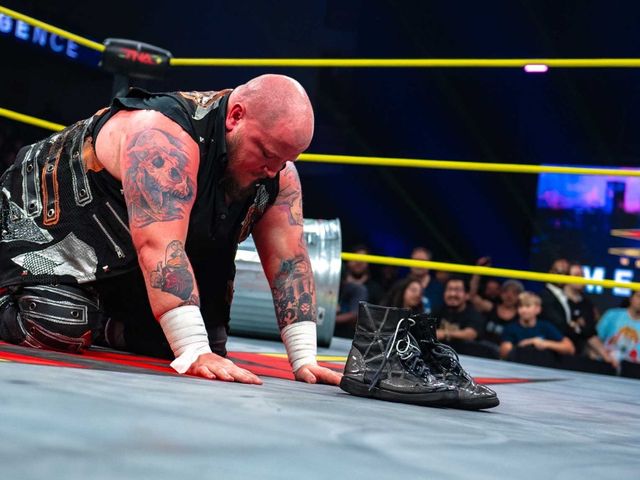
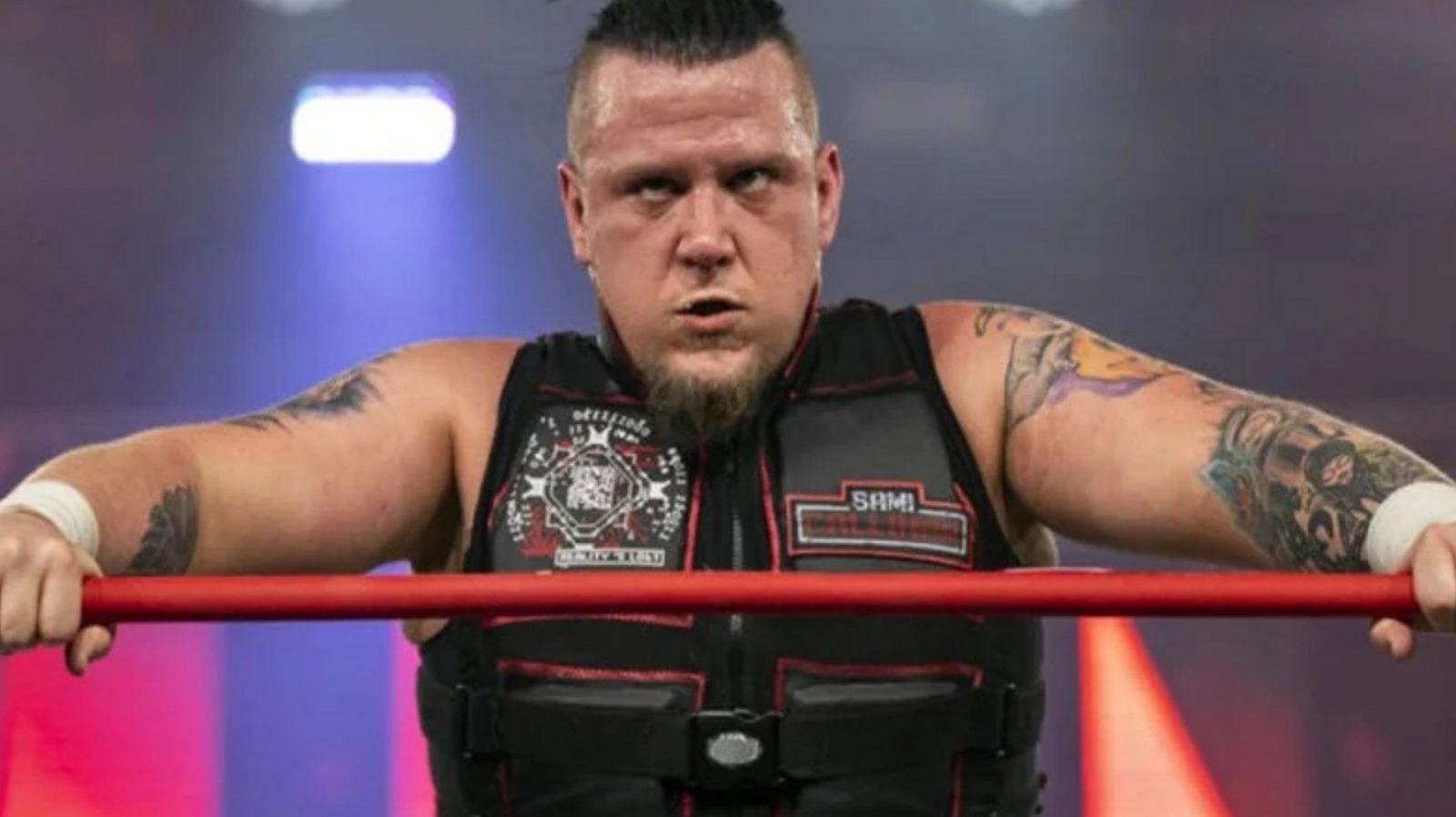
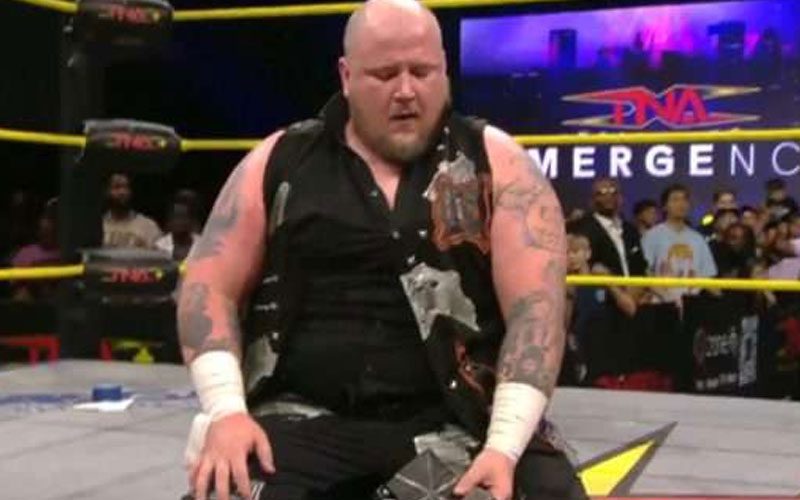
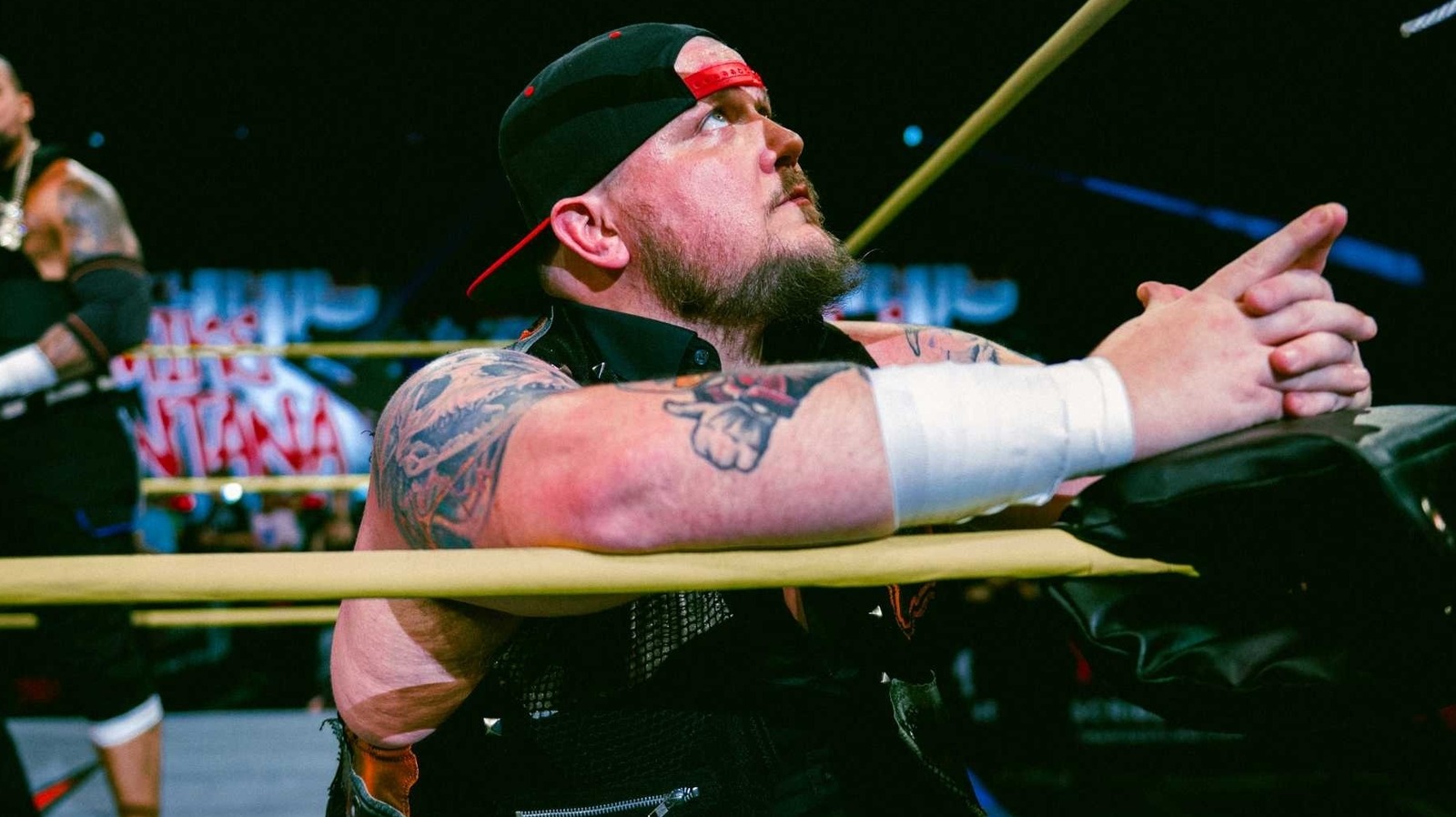
TNA rosters have traditionally leaned on the expertise of seasoned veterans to transition from green talent to polished television performers. The departure of Sami Callihan, who functioned as both an active wrestler and a producer behind the curtain, creates a specific tactical void in the promotion's development process. His work as an agent was often cited by peers as a stabilizing presence during long tapings.
Reports suggest a mixed reaction backstage regarding his exit, reflecting the high-pressure environment of professional booking. When a producer who understands the industry's rhythmic pacing leaves, the immediate impact is visible on camera. You notice the sloppy transitions between segments and the lack of urgency in high-stakes matches.
Tactical inconsistencies under the current creative lens
Callihan possessed a distinct psychological approach to wrestling, prioritizing high-impact brawls over clean, technical chains. Without his influence, the company struggles to maintain a consistent tone across a three-hour broadcast. We have seen instances where the pacing drops off entirely at the 90-minute mark, leading to a loss in audience engagement.
As recent reports indicate, the shift in administrative personnel is rarely seamless. The lack of a clear successor leaves the younger talent without a primary advocate during the planning sessions. This management gap often manifests in the ring during live events.
Watching the transition in real-time
The core issue for TNA now is administrative continuity. A producer is not merely a taskmaster; they are the bridge between the creative vision and the physical execution. If that bridge weakens, the viewer sees the cracks in the form of blown spots during tag team transitions or poorly timed run-ins.
I expect the upcoming tapings to look disjointed as the company experiments with new production hierarchies. Watch for segments that rely heavily on scripted dialogue rather than character-driven spontaneity. This is the hallmark of a nervous writing room attempting to fill the silence left by a departure.
A prediction on the immediate output
My read on this shift is skeptical. The loss of a creative touchstone usually results in a 15% drop in match quality during the first quarter of the following television cycle. TNA needs to recruit a replacement who shares Callihan’s specific brand of abrasive, grounded psychology.
If they promote from within too quickly, the product will prioritize sanitization over the grit that defined their recent peak. Expect a noticeable dip in the intensity of the mid-card matches unless the company makes a decisive move to fill the coaching vacancy by July. This is a crucial junction for the promotion.