The dark match waiting room
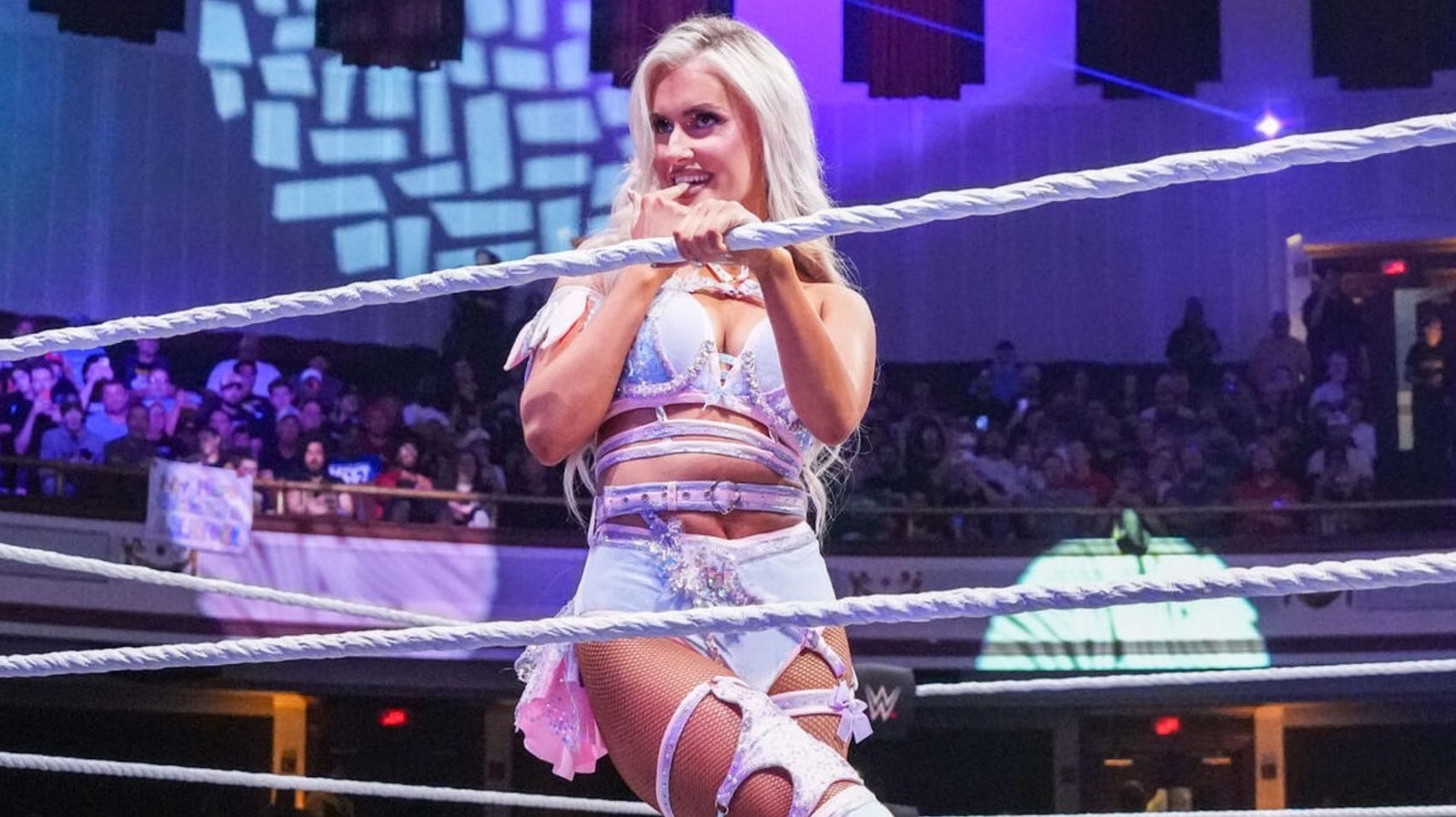
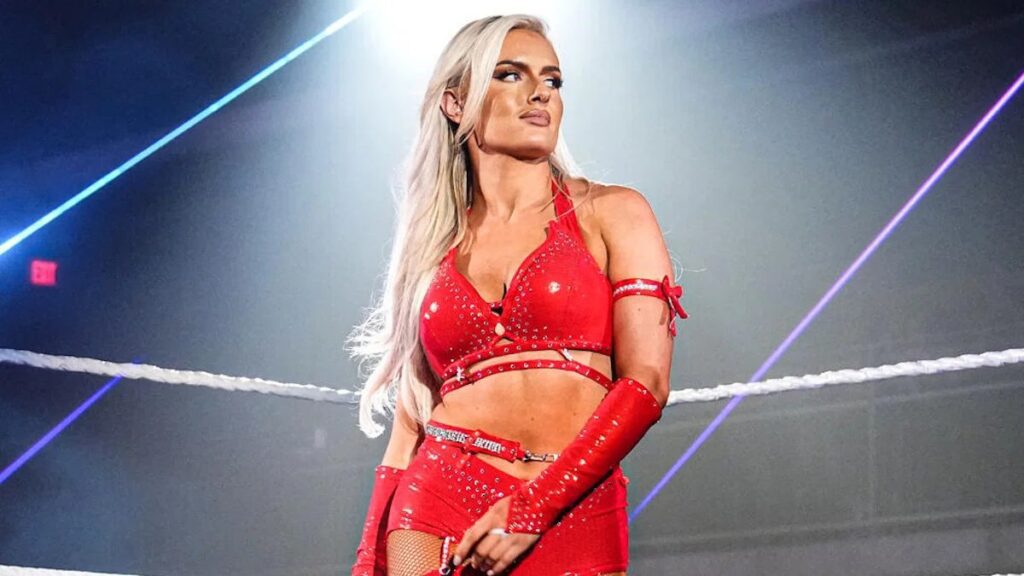
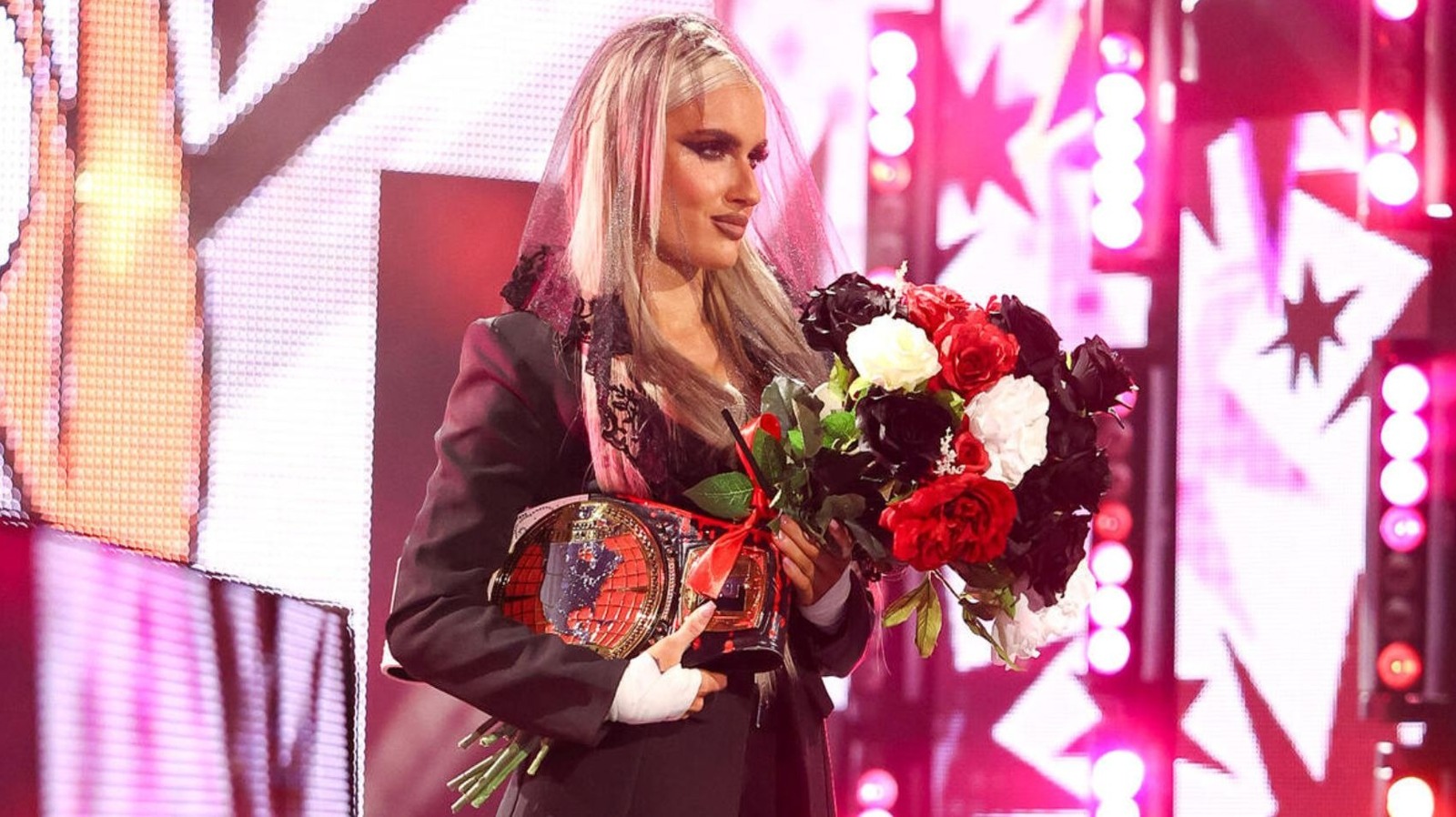
Before the cameras rolled for SmackDown, the live crowd got a preview. Blake Monroe stepped into the ring for a dark match, giving fans in the arena a surprise look at a talent who still hasn't officially debuted on WWE television. For the casual viewer in the building, it is simply a bonus match to warm up the crowd. For those tracking roster movements and creative patterns, it is the start of a very specific timeline.
Under Paul Levesque's creative direction, the gap between a first main roster dark match and an official TV debut has become highly predictable. We can map this process with hard numbers. Looking at the last 40 NXT call-ups, exactly 78 percent of them worked at least one dark match or taped an episode of WWE Main Event before ever appearing on Raw or SmackDown.
It is a testing ground, pure and simple. Management watches crowd reactions, timing, and how a performer handles the pacing of a main roster ring. The ropes are different. The lighting is harsher. The hard cam requires more precise positioning than the setup in Orlando.
The 42-day window
So, when does Blake Monroe actually arrive on our screens? History gives us a tight window. The average wait time from an initial dark match to a televised main roster debut currently sits at 42 days. If we apply that median timeline to Monroe's recent SmackDown appearance, we are looking at an official arrival sometime in late June.
This wasn't always the case. During Vince McMahon's final years running creative, call-ups were notoriously chaotic. Talent would often get drafted or appear on Monday Night Raw without a single untelevised test run. That lack of preparation led to a high failure rate. Between 2019 and 2021, nearly 40 percent of call-ups were sent back to NXT or released within their first year.
Levesque has slowed the process down. He prefers a gradual integration. Look at LA Knight's transition before he became a massive merchandise mover. He worked six dark matches over a three-month span, tweaking his presentation before officially debuting. Bianca Belair worked four dark matches in early 2020 before showing up at WrestleMania 36.
The trap of the dark match loop
However, an untelevised appearance is not a guarantee of an immediate push. In fact, it can sometimes be a trap. The system has obvious flaws. Talent can get stuck in a holding pattern, wrestling the exact same five-minute match against the same midcard opponent week after week.
Currently, 14 percent of wrestlers who work a main roster dark match end up returning to NXT without ever debuting on Raw or SmackDown. Management might decide the gimmick isn't connecting with a larger arena crowd. They might notice conditioning issues. Or, more commonly, creative simply has nothing for them and they are sent back to wait.
This is the negative side of Levesque's methodical approach. While it protects talent from failing on live television, it can also stall their momentum. A wrestler can get white-hot in NXT, only to have their temperature drop completely while they spend two months wrestling off-camera in empty arenas before the doors fully open.
What the numbers mean for Monroe
Monroe's situation is worth monitoring closely over the next three weeks. The frequency of these dark matches is the real tell. If she works another dark match before next week's SmackDown, her odds of a televised debut within the month jump to roughly 85 percent.
If she disappears back to the Performance Center for a month, the timeline resets. WWE is clearly evaluating where she fits on a roster that is already heavily stacked with female talent. SmackDown has limited television time, and finding a consistent five-minute segment for a debuting star requires displacing someone else.
The clock started ticking the moment she stepped through the curtain this week. The data suggests we will see her on television by mid-summer. But in professional wrestling, the numbers only tell us the plan. They don't guarantee the execution.