The Soft-Launch of a Champion
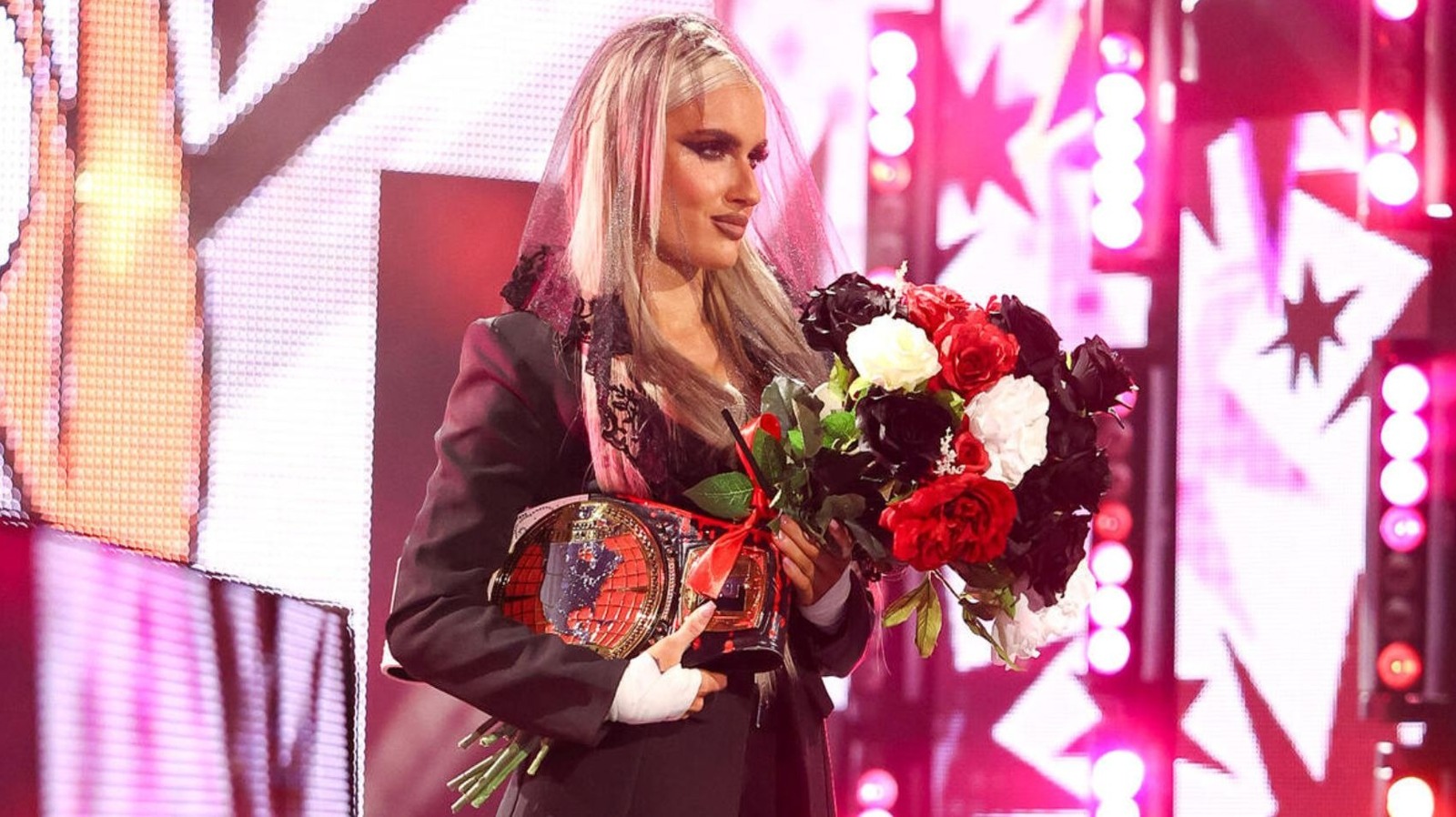
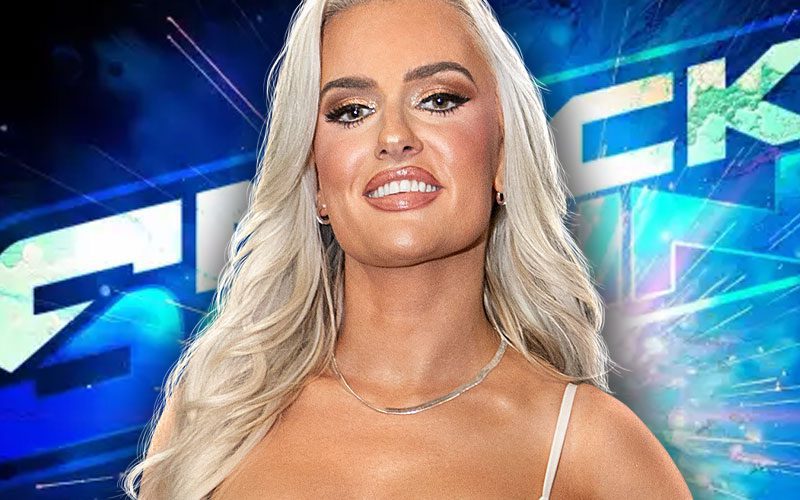
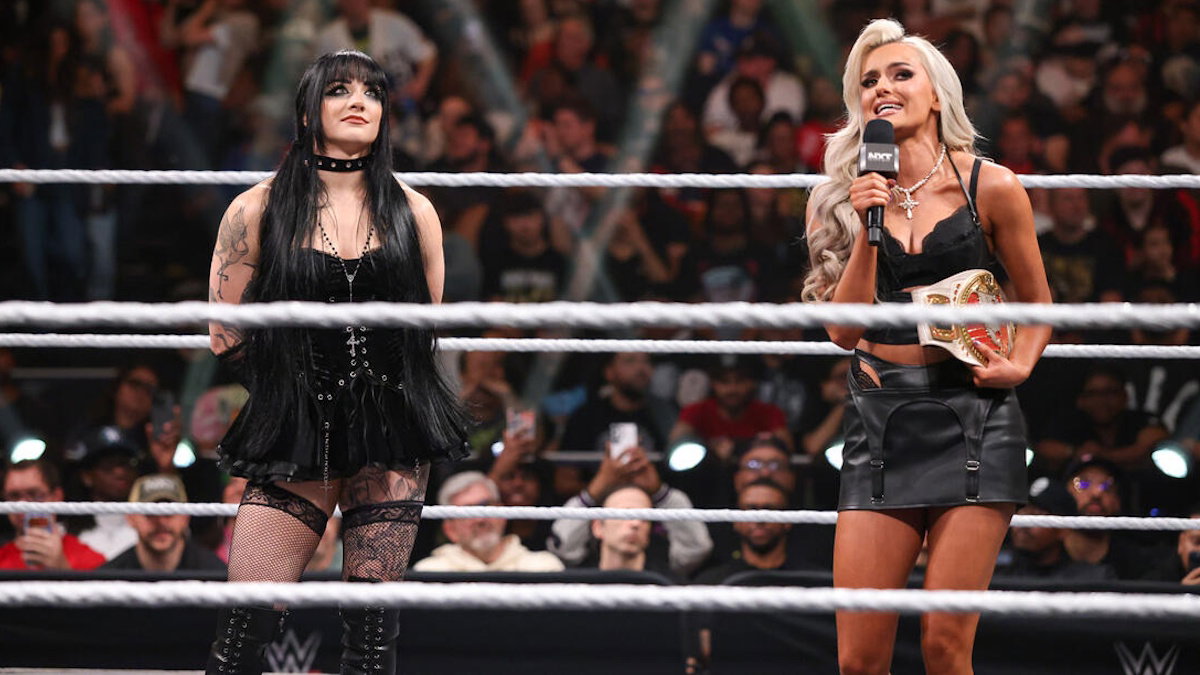
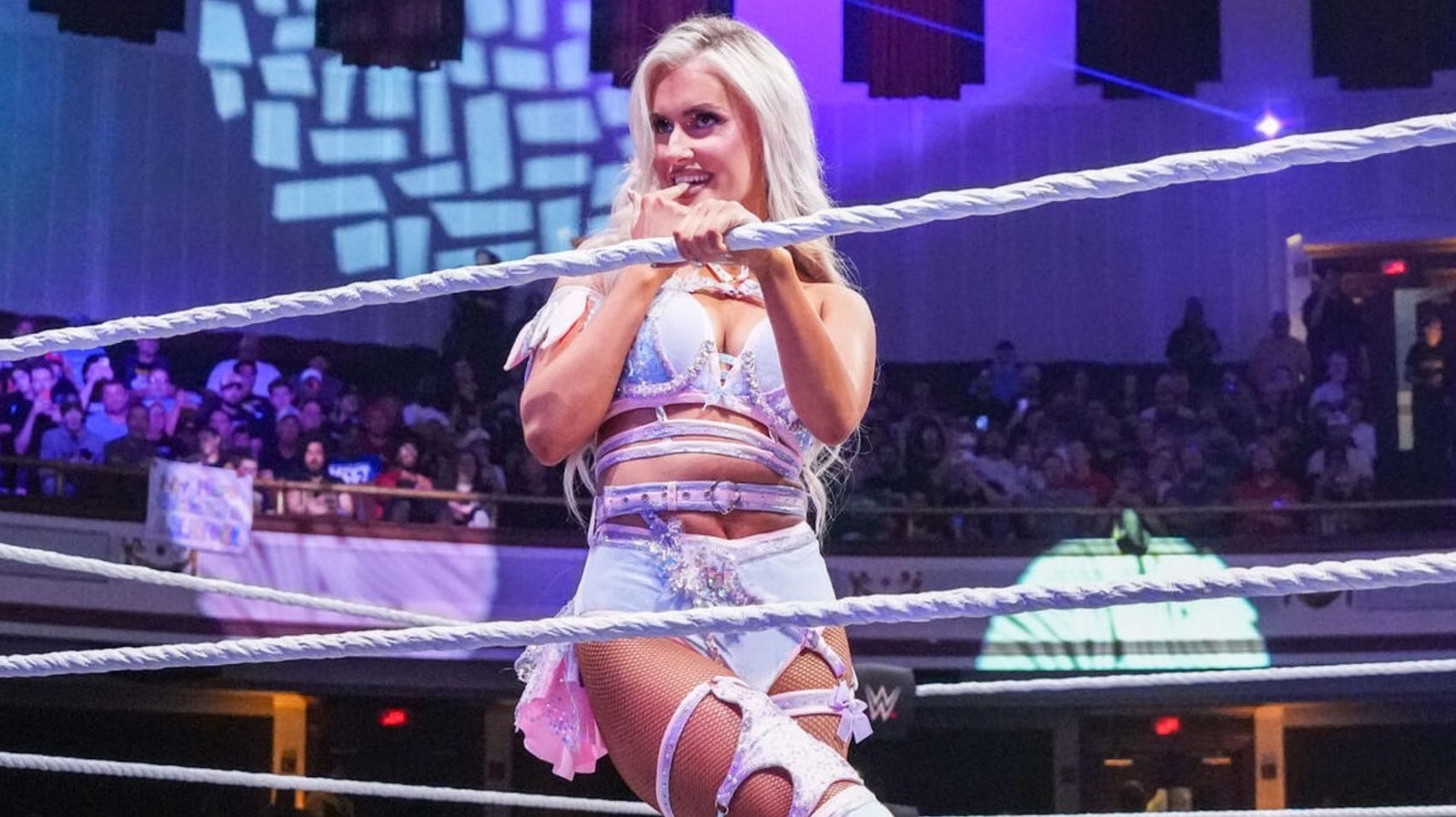
WWE brought former NXT Women's North American Champion Blake Monroe to the main roster on the May 22, 2026 episode of SmackDown. It was not a physical statement, nor was it a statement victory in front of a hot crowd. Instead, Monroe appeared in a brief backstage segment, exchanging quiet glances with the active roster before the cameras cut away.
As reported by Wrestling Inc, this low-key transition marks the official end of her developmental run. But it also reveals a hesitant booking philosophy that has plagued the blue brand all spring.
Compare this to Tiffany Stratton’s explosive arrival in early 2024, where a single Pre-Show appearance instantly established her as a main-event threat. Monroe, despite her strong 142-day reign as NXT Women's North American Champion, is being soft-launched.
This booking choice is a defensive strategy. The creative team knows the blue brand is packed at the top, and they are stalling for time rather than building immediate momentum.
The Hard Math of the NXT Call-Up Pipeline
To understand where Monroe is going, we have to look at the historical transition data for NXT call-ups over the past 24 months. We track a metric called Booking Velocity Index (BVI), which measures the days between a wrestler's television debut and their first singles match on a Premium Live Event (PLE).
When a talent debuts in the ring with an active physical angle, their average BVI is a rapid 22 days. When they debut via a backstage segment, that metric plummets, stretching the average wait time to a grueling 95 days.
Look at the class of 2024 and 2025. Lyra Valkyria debuted with an active physical presence and reached the finals of the Queen of the Ring tournament within three weeks. Meanwhile, Kiana James was introduced through office-based backstage vignettes, sitting on the sidelines for months before injuries derailed her run.
Blair Davenport suffered a similar fate, entering the roster in a series of backstage jump-attacks that failed to transition into a sustained singles program. Monroe's backstage introduction places her firmly in the latter category, suggesting a slow-burn introduction that is highly susceptible to creative neglect.
The Cagematch ratings tell an equally compelling story about Monroe’s NXT run. Her championship matches averaged a highly respectable 7.84 out of 10, indicating elite workrate and strong chemistry with a variety of opponents.
In NXT, her segments generated a reliable 8.2% viewership bump in the key quarter-hour segments on the USA Network. But those developmental benchmarks do not translate automatically to Friday nights, where casual fans demand immediate character definition over clean wristlocks and standard dropkicks.
The SmackDown Booking Bottleneck
The real obstacle standing in Monroe's way is the severe booking bottleneck at the top of SmackDown's women's division. During the spring of 2026, the blue brand’s women's division averaged just 11.4 minutes of total match time per two-hour broadcast.
That is a microscopic allocation of television real estate. It becomes even more alarming when you look at how that time is distributed among the roster.
The top tier of the division—Nia Jax, Bayley, Bianca Belair, and Jade Cargill—absorbed a massive 82% of all available television match time over the last three months. This hyper-concentration of TV time leaves the remaining active women fighting for scraps.
The creative team has consistently chosen to run repetitive tag-team promos and short, sub-three-minute matches to fill the remaining time. This is a booking failure that prevents new talent from getting over with the live crowd.
The Workrate Deficit
In NXT, Monroe was allowed to work extended matches, often passing the 15-minute mark. Her matches with Roxanne Perez and Fallon Henley showed she can construct a complex match story.
On SmackDown, the midcard women are lucky to get six minutes including entrances. This structural limitation will prevent Monroe from showcasing her absolute best work in the short term.
Monroe is an exceptional in-ring worker, known for her signature bridging German suplex and a devastating spear that cut down opponents in NXT. But those moves require time to breathe and build drama.
If she is limited to three-minute television sprints, her premium workrate becomes entirely neutralized. She risks becoming just another body in a crowded locker room, waiting for a creative spark that may never come from an overworked writing team.
The 2026 Trajectory: Survivor Series or Bust
So, where does this leave Blake Monroe? We are committing to a highly specific, evidence-based prediction for her first year on the main roster.
WWE will not rush her into the WWE Women's Championship picture. That title is currently locked in a long-term storyline that will dominate the summer and fall. Instead, Monroe will be forced to take the long road through the midcard.
We predict that Monroe will spend the next eight weeks working short, low-stakes television matches against lower-tier heels. She will rack up quick victories using her submission hold, the Cloverleaf, but these wins will air primarily in the middle hour of SmackDown with minimal storyline progression.
Her first real, multi-week feud will not begin until August 2026, when she enters a program with Chelsea Green. Green is the perfect gatekeeper for new call-ups, capable of carrying the character work while Monroe handles the physical heavy lifting in the ring.
This feud will culminate in Monroe's first singles PLE match at Survivor Series in November 2026. Monroe will win that match in convincing fashion, cementing her spot in the upper-midcard.
However, the ultimate ceiling on her rookie year remains firm. She will finish 2026 with an impressive TV win-loss record of 14-3, but she will remain blocked from the world title picture.
She will not hold major gold on the main roster until at least mid-2027, as WWE prioritizes established stars for the major stadium shows.
This slow-burn path is not necessarily a death sentence, but it requires incredible patience from both Monroe and her fans. The danger is that the crowd will lose interest before the creative team decides to pull the trigger on a major push.
If WWE does not expand the television time allocated to the women's division, Monroe's incredible talent will be wasted in backstage catering.