The seven-dollar myth meets the billion-dollar reality
In 1995, Dwayne Johnson was cut from the Calgary Stampeders with exactly seven dollars to his name. Today, that anecdote is the cornerstone of a branding machine that has landed him on the Forbes list of the 250 Greatest Self-Made Americans. It is a transition that defies the standard trajectory of the retired athlete. Most pro wrestlers spend their fifties chasing nostalgia pops on the indie circuit or signing lucrative but stationary legends contracts. Johnson, instead, has built a portfolio where his physical labor is the least valuable asset he brings to the table.
The Forbes recognition focuses on what they call grit, hustle, and resilience. But from a data perspective, the story is actually about the transition from a per-service commodity to an equity-heavy owner. In the early 2000s, Johnson was a high-paid actor. By 2026, he has become a diversified holding company. The numbers suggest he isn't just a movie star who happens to sell tequila; he is a distribution channel with a face.
The math of the ownership pivot
To understand how Johnson secured this Forbes spot, you have to look past his IMDb page. While his films have grossed over $10.5 billion globally, the true wealth creation happened when he stopped taking flat fees. In 2020, Johnson launched Teremana Tequila. Within its first year, it sold 300,000 cases. By 2023, that number surged to over 1 million cases annually. For context, George Clooney’s Casamigos sold for $1 billion while moving roughly 170,000 cases a year.
Analysts currently value the Teremana brand at upwards of $3.5 billion. If Johnson owns even 30 percent of that entity, his liquid net worth from spirits alone eclipses his entire career earnings from the WWE and Hollywood combined. This is the hallmark of the self-made elite: using a primary platform to fund an ownership stake in a high-margin industry. He didn't just endorse the product; he owns the distillery. That distinction is why he is on this Forbes list while other A-listers are merely on the payroll.
Celebrating the “Grit. Hustle. Resilience” of those who pursue the American dream.
The scale of his social media footprint acts as a free marketing department. With over 390 million followers on Instagram, Johnson bypasses traditional media buys. If a standard Super Bowl ad costs $7 million for 30 seconds, Johnson’s daily posts provide a reach that would cost an estimated $1.2 billion in equivalent advertising spend per year. This is the data-backed reason why Forbes views him as a top-tier entrepreneur. He has removed the middleman from the attention economy.
The TKO board and the return to the ring
In January 2024, Johnson’s business evolution took its most aggressive turn when he joined the Board of Directors for TKO Group Holdings. This wasn't just a homecoming to the WWE; it was a corporate takeover. As part of the deal, he was granted $30 million in TKO stock. He also gained full ownership of the trademarked name “The Rock,” which had previously been owned by the WWE since the late 1990s. This move corrected a decades-long imbalance where the performer did not own his own intellectual property.
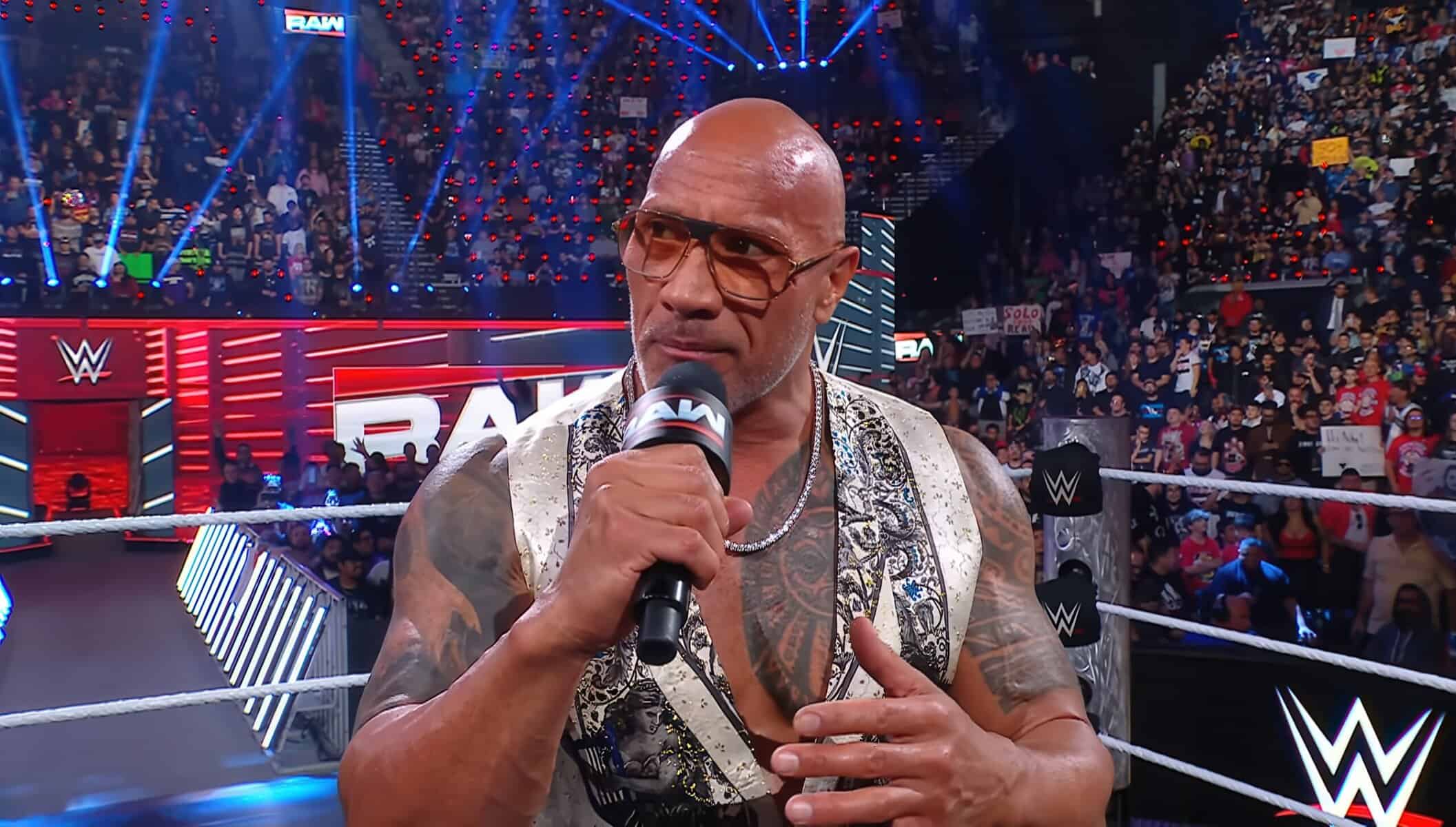
His return to the ring for WrestleMania 40 and the upcoming WrestleMania 41 isn't driven by a need for a paycheck. It is a strategic move to maintain the relevance of his most powerful marketing tool: himself. The data shows that WWE's viewership spikes by roughly 15 to 20 percent whenever Johnson appears on television. By appearing as a performer, he increases the value of the TKO stock he now holds as a director. It is a recursive loop of value creation that few athletes have ever mastered.
The critical cost of the hustle
However, the Forbes narrative of endless resilience ignores the occasional failure. The Rock’s attempt to take over the DC Extended Universe with *Black Adam* was a rare statistical outlier in his career. The film cost $200 million to produce and barely broke even after marketing costs. It proved that even a Forbes-certified self-made titan can’t always force a product to scale if the audience isn't buying the underlying creative direction. His public attempt to reshape the hierarchy of that film franchise was seen by many as a rare moment of overreach.
Similarly, the XFL merger with the USFL to create the UFL was a consolidation born of necessity rather than dominance. The league lost approximately $60 million in its first season under Johnson’s ownership group. While Forbes celebrates the hustle, the numbers indicate that venturing into live sports ownership is a much riskier bet than selling tequila or starring in *Fast and Furious* sequels. It remains the one sector where his magic touch hasn't immediately translated into a profitable exit.
A legacy built on percentages
When you break down the Johnson economy, it is clear that he has outpaced his peers by valuing equity over salary. Comparing him to contemporaries like John Cena or Dave Bautista reveals a stark difference in wealth architecture. While Cena and Bautista have found success as actors, they remain largely dependent on the studio system. Johnson has moved beyond that. He is a partner with the studios through Seven Bucks Productions, ensuring he gets a piece of the backend, the merchandising, and the digital rights.
- Initial 1995 Net Worth: $7.00
- Total Global Box Office: $10.5 Billion
- Teremana Annual Case Sales: 1 Million+
- TKO Stock Grant: $30 Million
- Instagram Distribution Reach: 390 Million Followers
The Forbes list isn't just about how much money he has; it is about the origin and the control of that capital. To go from a $7-a-day existence to a seat on a multi-billion dollar board requires a level of calculated risk that most people miss when they watch him cut a promo in the ring. He isn't just the most famous man in the room; he is increasingly the man who owns the room. As WrestleMania 41 approaches, his presence won't just be measured in crowd noise, but in the quarterly earnings reports of the companies he directs.
Ultimately, the inclusion of The Rock on the Forbes 250 serves as a reminder that the most valuable thing a person can build is their own name. In Johnson's case, he spent twenty years building the name so that he could spend the next twenty years charging interest on it. It is a technical masterclass in personal branding, and the numbers suggest we haven't even seen the ceiling of this particular empire yet.