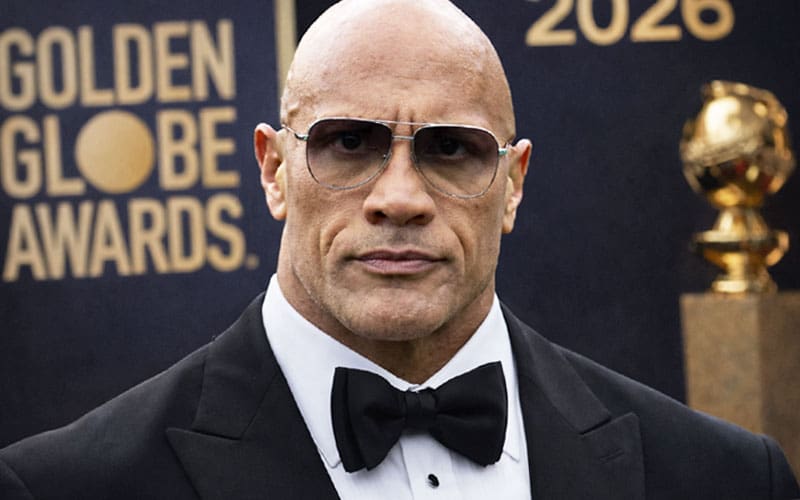
The 'Greatest Self-Made American' narrative gets a new poster boy
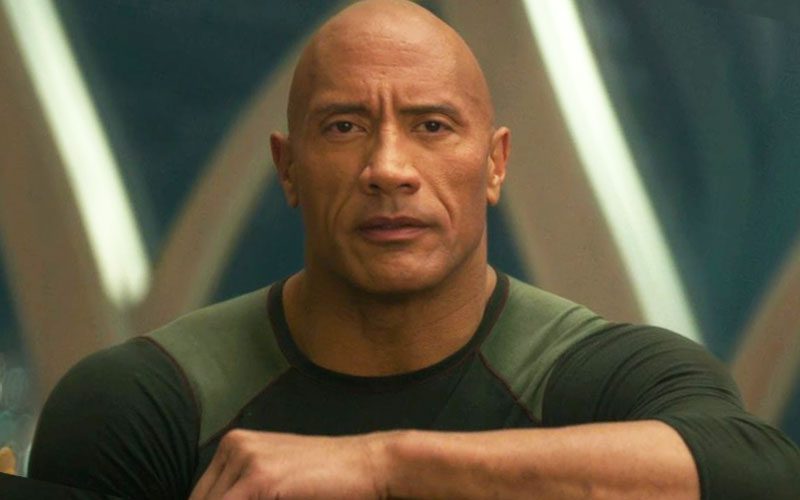
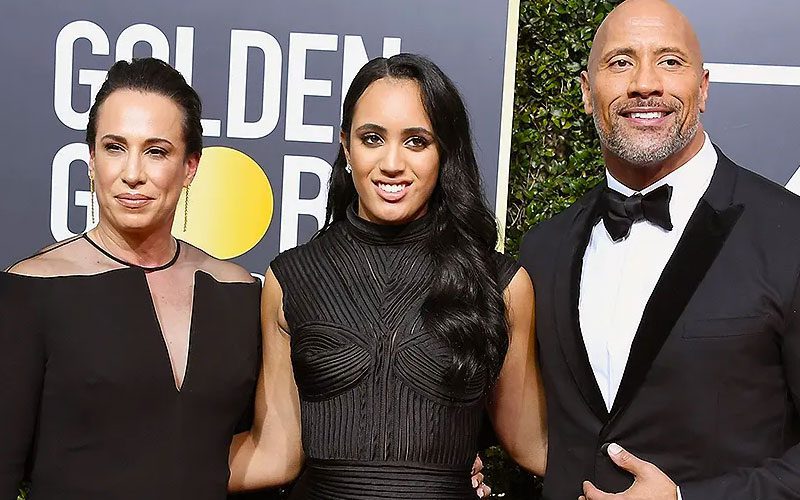
Dwayne "The Rock" Johnson just landed on Forbes' prestigious list of the 250 Greatest Self-Made Americans. Apparently, the business world has spoken, cementing his status not just as a global megastar but as the ultimate embodiment of the American dream. This isn't just about another trophy for the already overflowing cabinet; it's about Forbes officially stamping its approval on the narrative of grit, hustle, and resilience.
For anyone who's followed The Rock's career, from his early days as a third-generation superstar to his current Hollywood reign, the label "self-made" always sparks debate. He inherited a legacy, sure, but he undoubtedly built an empire far beyond the wildest dreams of any previous Anoa'i family member. Still, the phrase itself carries a certain weight, implying a start from absolute zero, which, for someone with wrestling royalty in his blood, is a bit of a stretch.
From Brahma Bull to box office king: A manufactured destiny?
Let's be clear: The Rock's work ethic is legendary. He didn't just walk into a main event spot; he ground it out. The promos, the People's Elbow, the eyebrow, the mic work that could sell ice to an Eskimo – that was all Dwayne Johnson perfecting his craft in WWE arenas across the globe. He transformed from a smiling, pastel-clad babyface into the trash-talking, electrifying anti-hero that defined the Attitude Era.
But the foundation was there. His grandfather, Peter Maivia, was a legend. His father, Rocky Johnson, was a trailblazer. That lineage opened doors that simply don't exist for 99% of aspiring wrestlers. To ignore that crucial head start feels like glossing over a significant part of the story, even if he catapulted himself into an entirely different stratosphere.
The current iteration of The Rock, "The Final Boss," has been a masterclass in re-branding. After years away, he stepped back into WWE, not as a nostalgic cameo, but as a legitimate, menacing threat. This new persona, perfectly crafted for WrestleMania 41, leans heavily into the idea of unchallenged dominance and taking what's owed. It's a character that thrives on perceived self-authorship, which aligns neatly with Forbes' latest recognition.
The Hollywood machine and the wrestling detour
His transition from wrestling to Hollywood wasn't seamless, but it was relentless. He took bit parts, learned the ropes, and systematically built a filmography that now routinely rakes in hundreds of millions. This is where the "hustle" part of the "self-made" argument truly shines. He diversified, innovated, and conquered a completely different industry.
Yet, his recent return to the squared circle for WrestleMania 41 has some fans feeling a bit used. Is he back because he loves the business, or because it’s excellent cross-promotion for his various ventures? The lines blur when you're a brand as massive as The Rock. While his presence undeniably brings massive eyeballs to WWE, it also raises questions about the motivations behind these high-profile, part-time appearances.
The Rock didn't just walk into a main event spot; he ground it out. The promos, the People's Elbow, the eyebrow, the mic work that could sell ice to an Eskimo – that was all Dwayne Johnson perfecting his craft.
The critical eye: Is any icon truly "self-made"?
The concept of "self-made" itself is often a convenient fiction, especially for those at the very top. No one achieves global superstardom without an army of publicists, agents, managers, and a healthy dose of luck. The Rock is no exception. He has leveraged every opportunity, every connection, and every bit of raw charisma to get where he is.
But the wrestling world, with its deeply ingrained family traditions and backstage politics, makes the "self-made" label even more contentious. The doors were opened. The path was illuminated. He chose to sprint down it faster and harder than anyone before him, but the starting line wasn't a random patch of dirt.
So, while Forbes celebrates the quantifiable success and the undeniable grind, the wrestling faithful might view it with a slightly more jaded lens. It's a recognition of unprecedented achievement, yes, but it also highlights the often-complex relationship between legacy, opportunity, and personal ambition within the cutthroat world of professional wrestling and global entertainment.
The Rock is an institution, a brand, and a performer unlike any other. This Forbes nod is a testament to that. But whether he’s truly “self-made” or simply the greatest product of a deeply interconnected, generational entertainment machine is a conversation that will continue long after WrestleMania 41.