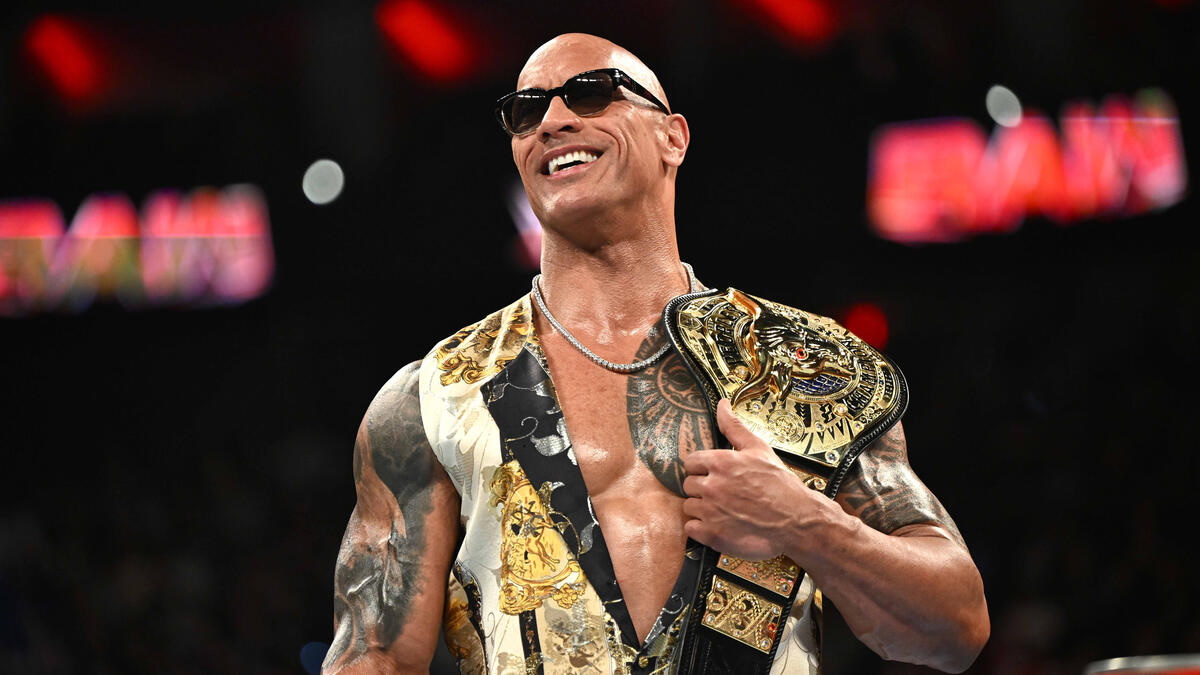
The Smashing Machine experiment and its fallout
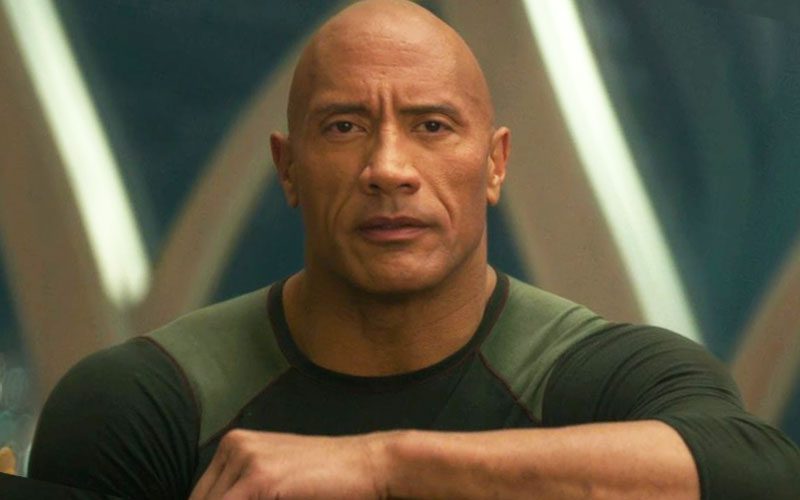
Dwayne Johnson is currently navigating the most difficult transition of his career. Between headlining WrestleMania 41 and attempting to pivot into high-brow drama, the logic behind his recent scheduling choices has become increasingly transparent. The failure to secure an Academy Award nomination for his portrayal of Mark Kerr in The Smashing Machine serves as a marker for where his priorities reside.
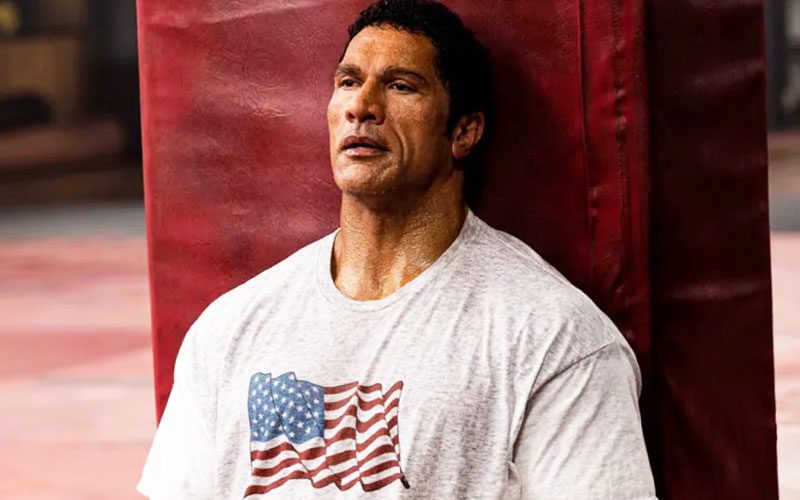
Watching the clips from the production, the physical dedication is evident. Johnson abandoned his traditional, high-gloss blockbuster aesthetic to embrace the grim, repetitive violence of early MMA. He cut weight, shifted his gait, and sacrificed the aesthetic vanity that defines his other film work. Yet, the Academy remained unmoved, favoring more established dramatic staples over the wrestling titan's attempt at method acting.
The wrestling consequences of Hollywood rejection
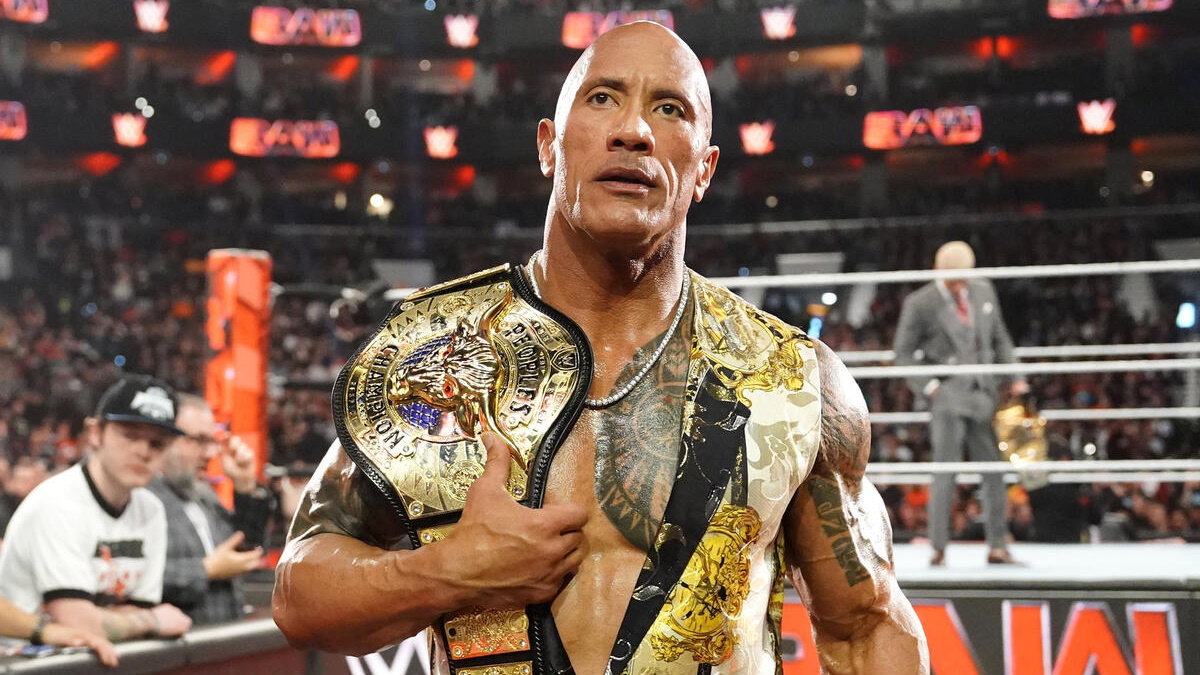
When the cinematic validation fails to arrive, the gravity of professional wrestling pulls back with undeniable force. Johnson relies on the adulation found in squared circles, which contrasts sharply with the cold, critical reception of independent film circles. His recent comments, where he explicitly addressed missing out on the nomination, reveal a man seeking external validation elsewhere.
We have to consider the booking implications of this frustration. The Rock thrives on being the center of the narrative, a position he occupied comfortably during the lead-up to his recent high-profile matches. As WrestleTalk reports, his candid admission that he wished the nomination happened but recognizes it did not suggests a return to the comfort of the ring. He is at his most lethal when he feels overlooked, whether by an industry board or a rival performer.
The creative choice here is predictable. If the industry does not grant him the artistic respect of a prestige actor, he will force his relevance through the sheer scale of his WWE appearances. This is a classic ego-driven reset. We should anticipate a more aggressive, perhaps even resentful, heel persona in future programs. The vulnerability shown in these recent interviews is not a sign of weakness; it is a tactical fuel source for his next big build.
The strategic risk of the part-time pedestal
There is a glaring flaw in this cycle. By tethering his ego to award recognition, Johnson invites a specific kind of critique he cannot overcome with a People's Elbow. His transition into the world of film has arguably diluted the purity of his wrestling aura. The fans see through the pivot; they know when the focus lies in Hollywood rather than the ring.
If the 2026 summer schedule continues to prioritize film promotion over character development, the diminishing returns will start to show in the ticket sales for his major spots. The spectacle is expensive, but it relies on authenticity. Spending months campaigning for a statue only to return for a six-minute promo segment does not sustain a long-term feud.
My prediction for his next move is a return to a more stripped-back, aggressive wrestling presentation. He will lean into the resentment of the Oscar snub, framing himself as an outcast who returned to his only true kingdom. Expect a major beatdown to set the tone for the next PLE, likely occurring before the August 30 calendar date. He will reclaim his dominance because he lacks another avenue for this level of singular adulation.