The Art of the Red Light
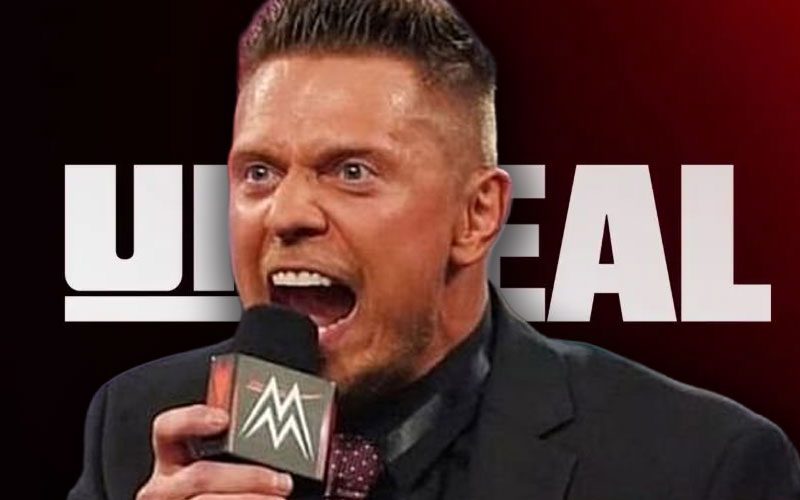
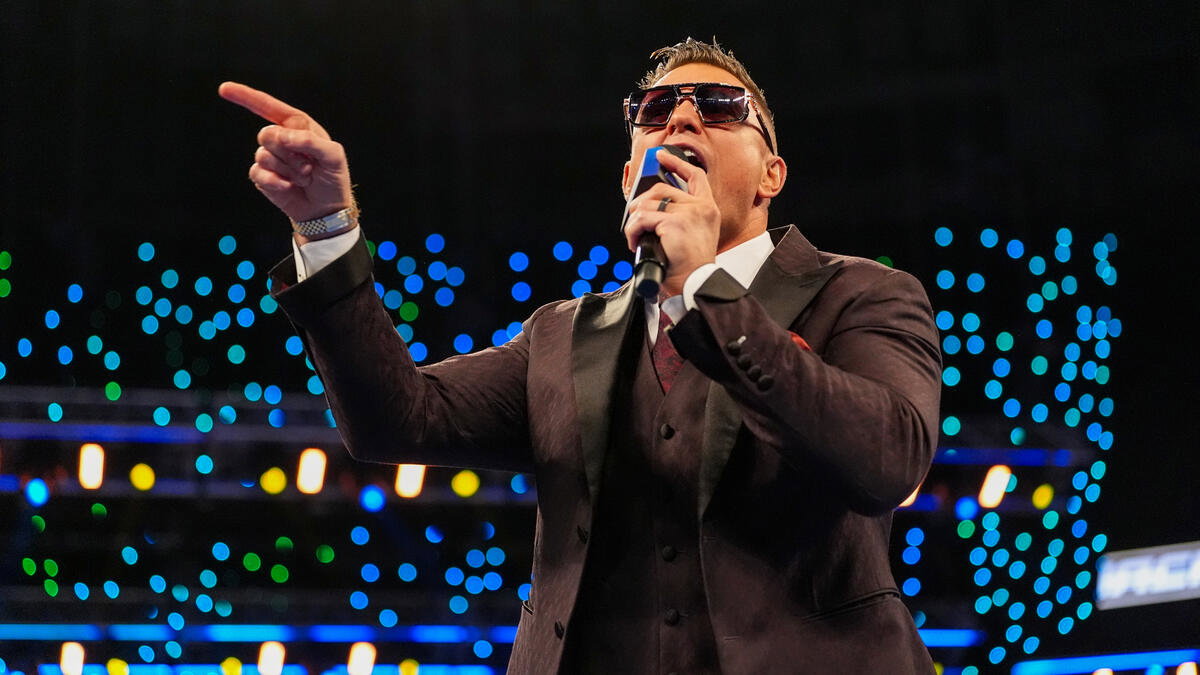
Mike Mizanin has been on television since 2001. He understands the red light better than anyone in the WWE locker room. He knows when a camera is recording, he knows exactly what angle it is shooting from, and he knows how to manipulate the person holding it.
So when reports surfaced that the roster is deeply frustrated with the constant presence of cameras for the new behind-the-scenes series, WWE Unreal, the veteran’s response was entirely predictable. As Wrestling Inc recently noted, he absolutely loves it.
According to those same comments from The Miz, the series gives fans valuable insight into the business. More importantly, he appreciates the show significantly more than his co-stars do. This isn't just a company man toeing the corporate line for management. This is a master manipulator realizing he has been handed a massive advantage, and he is systematically using it to outflank younger talent.
Exposing the Workrate Era
The current WWE locker room is built on an entirely different foundation than the one The Miz entered two decades ago. You have a roster dominated by athletes who cut their teeth in independent promotions like PWG, RevPro, or the grueling dojos of Japan. They spent their formative years wrestling in armories in front of two hundred people, entirely unconcerned with character arcs.
They focus on crisp move execution, elite cardiovascular endurance, and intricate match structure. They want their art inside the ropes to speak for itself. They view backstage documentary cameras as a gross intrusion on their craft. They want to be judged by star ratings, not television ratings.
The Miz views those cameras as a weapon.
He is 45 years old. His knees have absorbed thousands of bumps on unyielding canvas. He cannot go 30 minutes at a blistering pace with the current generation of hyper-athletic stars. He will get blown up in five minutes if he tries.
He can't chain-wrestle his way out of a complex sequence, and his aerial offense was virtually non-existent even in his athletic prime. What he can do, better than almost anyone breathing, is control the narrative. WWE Unreal is his perfect vehicle to hide his physical shortcomings.
Manufacturing Drama in a Flawed System
Look at how the reality series is structured. It relies heavily on talking heads, unguarded locker room moments, and the intentional blurring of the line between character and performer. For wrestlers who spent their entire adult lives protecting their gimmicks, this format is terrifying.
They don't know how to act when the script is stripped away and a boom mic is hovering over their gear bag while they tape their wrists.
The Miz doesn't have a script. He has a persona that has perfectly fused with his real life over the last twenty years. When the WWE Unreal producers ask him a question, he delivers a perfectly packaged soundbite with zero hesitation.
He knows exactly where the storyline needs to go, how to frame his opponents as one-dimensional, and how to position himself as the misunderstood veteran holding the company together.
The friction is obvious to anyone paying attention. You can see it bleeding into the weekly television product. It is impossible to separate the backstage tension from the on-screen presentation.
Take a look at the recent Monday Night Raw broadcasts. The segments involving The Miz feel distinctly different from the rest of the show. There is a sharper, more cynical edge to his promos. He is actively using the resentment from the locker room to fuel his character.
A Critical Failure in Reality TV
But let's be aggressively honest about the show itself. WWE Unreal is heavily flawed. The pacing is erratic at best, and the attempts to manufacture drama often fall completely flat.
The producers seem obsessed with catching wrestlers in artificial gotcha moments, trying to force interpersonal conflicts that simply don't naturally exist among a group of seasoned professionals. It frequently comes across as cheap reality television masquerading as a premium sports documentary.
The editing is incredibly heavy-handed. They often cut away right when a conversation gets genuinely interesting to manufacture a fake commercial cliffhanger. It insults the intelligence of the modern wrestling fan.
The fact that The Miz thrives in this specific, plastic environment shouldn't be surprising. He cut his teeth on MTV's The Real World. He survived the original, brutal iteration of Tough Enough. He starred in his own reality sitcom. He knows how to play the editing room.
His co-stars are getting exposed by their own authenticity. Wrestlers who are brilliant bell-to-bell are looking socially awkward or unnecessarily defensive when the documentary cameras roll. They are complaining to management about the intrusion, which only makes them look soft to an audience raised on constant, unfiltered internet access.
The Summer Schedule and Real Heat
This dynamic is setting up a fascinating, volatile summer schedule for the promotion.
WWE is entering the build toward their major stadium shows. The traditional metrics for getting booked in a top spot are shifting rapidly under everyone's feet. It's no longer strictly about t-shirt sales or the volume of crowd reactions in the arena on a Monday night.
It's about engagement metrics across multiple platforms, and WWE Unreal is driving the digital conversation more than any single wrestling match.
The Miz is monopolizing that conversation. By eagerly leaning into the behind-the-scenes drama, he is making himself indispensable to the creative team. They need someone who can reliably anchor the reality series without freezing up under pressure.
This is going to create real animosity. We are going to see younger, more athletically gifted wrestlers passed over for premium live event spots because they aren't generating enough drama on the reality show. The creative team will prioritize the reality show storyline over the logical wrestling ranking.
You can already see the frustration translating into the ring. Watch his recent opponents carefully. They are laying in their strikes just a little harder than usual. The collar-and-elbow tie-ups have a stiffer, far more aggressive tone.
They deeply resent him for bypassing the immense physical toll of the job and relying almost entirely on his reality television instincts to secure his position on the upper card.
But that resentment is exactly what The Miz wants. It gives him heat. Real, unfiltered, uncomfortable heat. In an era where fans instinctively cheer the bad guys for working hard and executing cool moves, he has found a way to genuinely annoy his peers.
The Reality Show Band-Aid
He isn't trying to have the best match on the card. He abandoned that goal a decade ago. He is trying to be the most talked-about person in the company, regardless of the method.
The strategy is tactically brilliant, but it comes with a massive, glaring risk. If the in-ring product suffers too much, the live audience will eventually tune out. The Miz cannot rely entirely on backstage documentary drama to carry his feuds forever.
At some point, he still has to deliver a competent, compelling performance when the bell actually rings.
Lately, that has been a significant struggle. His televised matches over the past three months have been painfully sluggish. He relies heavily on extended chin-locks, transparent stall tactics, and cheap outside interference to hide his declining mobility.
The contrast between his incredibly sharp, biting promos and his dull, plodding matches is becoming harder to ignore. WWE Unreal might be masking his physical decline by shifting the focus to his mouth, but it won't hide the truth forever.
The reality show is a temporary fix. For now, though, he is winning the game. He understands that wrestling in 2026 is a massive content machine, and he is feeding the machine exactly what it wants.
The Prediction
The Miz will parlay the outsized attention from WWE Unreal into a high-profile feud heading into the late summer. He will likely target a beloved, high-workrate babyface who notoriously hates the cameras and the new corporate direction.
The actual matches will be brutally average, bordering on boring, but the video packages leading up to them will be spectacular. He will lose the feud in the ring, but he will win the screen time war. And in his mind, that is the only victory that actually matters.
Read Next