When the lights go out and the danger gets real
The independent wrestling scene has always operated on the edge. It is the unfiltered, chaotic proving ground for the next generation of stars. But that absolute freedom comes with a terrifying lack of regulation.
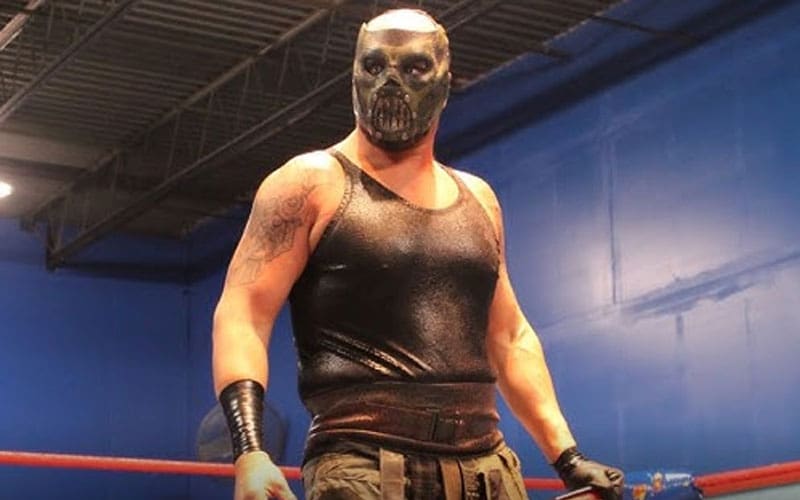
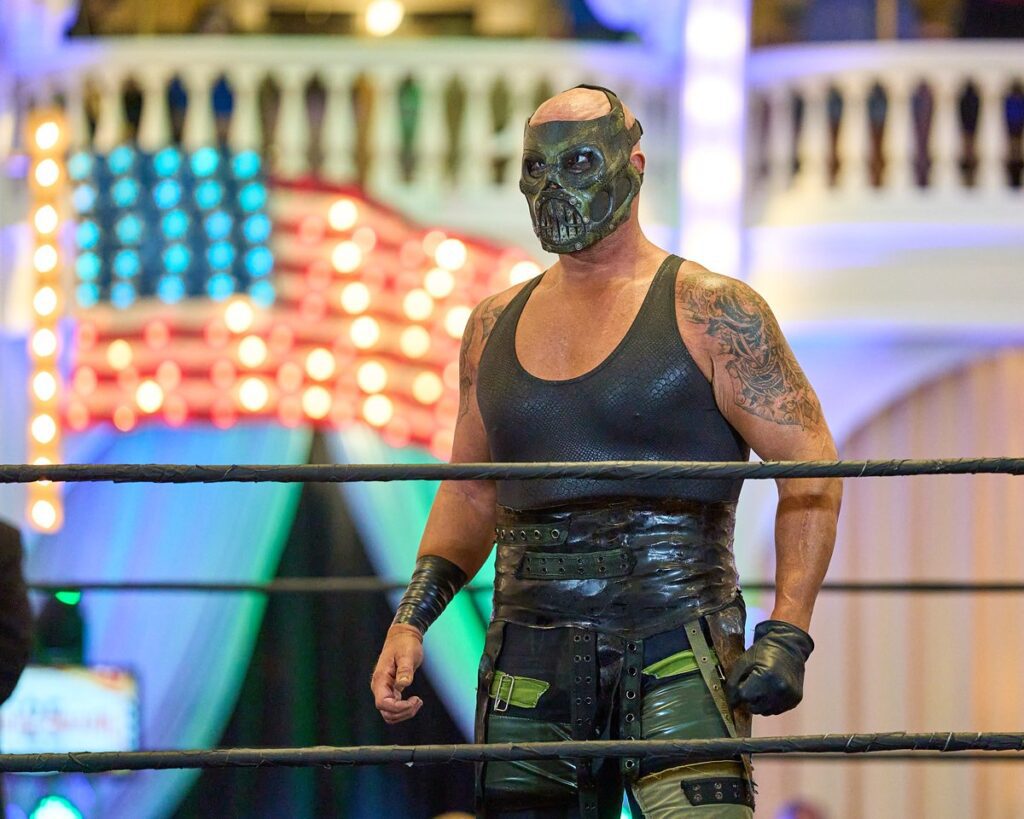
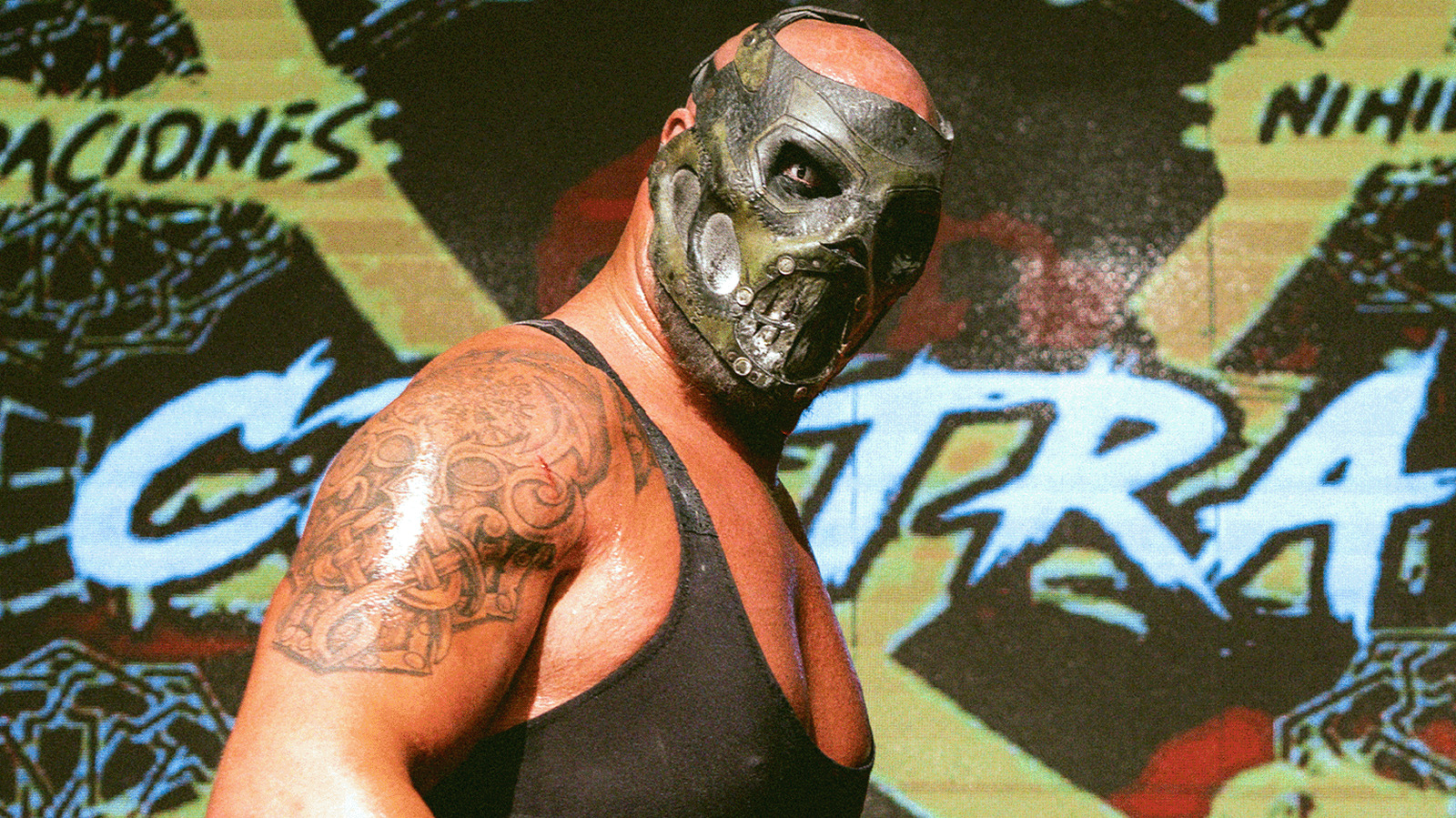
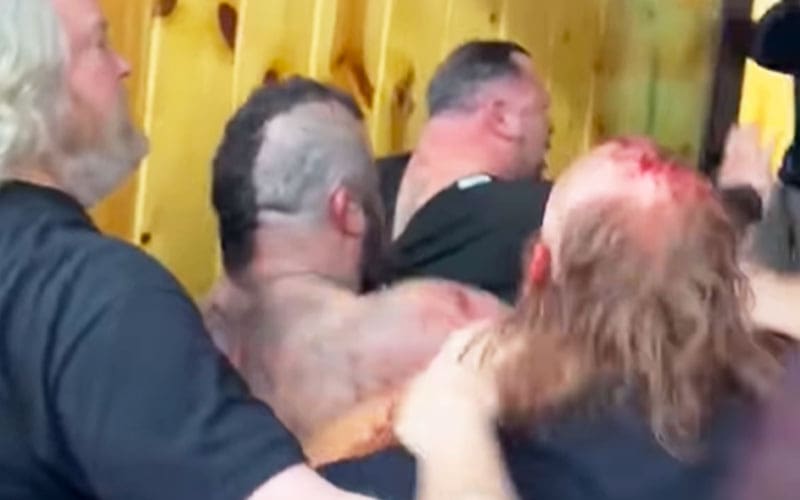
When the news broke about a stabbing incident involving the wrestler Kruel at a Ruthless Pro Wrestling Omega event in Illinois, the immediate reaction wasn't just horror. It was a grim realization that the worst-case scenario had finally happened on American soil.
The details have been incredibly murky over the last 48 hours. Information is filtering out slowly through panicked text messages, fragmented social media posts, and terrified eyewitness accounts. The initial chaos painted a horrifying picture of a wrestling show spiraling entirely out of control.
According to a new update from Ringside News, the latest accounts are finally beginning to clarify exactly what led to the violence. The emerging situation reveals a massive breakdown in basic safety protocols at the venue.
For decades, the physical barrier between the performers and the audience at these smaller shows has been practically nonexistent. You pay your entry fee, you grab a cheap folding chair, and you sit inches from the ring apron. The sweat hits the front row.
That dangerous proximity is the core selling point. It is exactly why fans show up to freezing local armories and sticky-floored bingo halls on a Saturday night. They want to feel the raw impact without the polish of a stadium production.
The illusion of control is broken
The fundamental problem is that this proximity relies entirely on an unwritten social contract. The fans agree to play their assigned part as spectators, and the wrestlers agree to entertain them. When that fragile contract is violated, the results are catastrophic.
A stabbing at a professional wrestling show is the ultimate, inexcusable failure of a promotion to protect its talent. Period. There is no valid excuse for a live weapon making it into the building, let alone getting close enough to a performer to cause serious harm.
Ruthless Pro Wrestling is now facing intense public scrutiny, and rightfully so. You cannot run a live physical event without guaranteeing the safety of the men and women putting their bodies on the line. It is promotional malpractice.
This is the darkest side of the indy circuit. When you strip away the massive security budgets of WWE or AEW, you are left with a few untrained guys checking tickets at the front door. That is simply not enough protection for anyone.
Illinois has athletic commissions on the books, but the actual oversight for professional wrestling is notoriously spotty. The regulations are often entirely ignored by smaller local promotions trying to keep operating costs down.
We are looking at a fundamental, top-down failure of oversight. The promoters failed Kruel. The venue management failed the performers. The entire independent wrestling system failed spectacularly on this night.
Fan entitlement reaches a violent boiling point
We need to talk honestly about the modern wrestling crowd. Over the last five years, the relationship between fans and wrestlers has grown increasingly toxic. The basic barrier of human respect has eroded completely.
Fans feel a dangerous, unearned level of ownership over the talent. They interact relentlessly on social media, they buy merchandise directly from the workers at intermission, and they start to genuinely believe they are part of the show.
That false sense of direct participation breeds a disgusting level of entitlement. When a fan thinks they are part of the angle, they take physical liberties. Escalating to armed violence is a horrifying new low.
Wrestlers are trained exclusively to protect each other inside the ropes. They know exactly how to take a back bump, how to pull a stiff punch, and how to safely execute a complex piledriver. They are absolutely not trained to defend themselves against a random attacker with a knife.
The immediate locker room reaction to this incident has been absolute, unfiltered fury. These performers drive hundreds of miles in cramped cars for a handful of cash, trusting the promoter to keep them safe. That trust has been permanently shattered.
You simply cannot ask talent to risk their lives for a hot dog and a handshake if you cannot even guarantee they will make it back to their car without getting stabbed. It is an insulting proposition.
The harsh financial realities of independent security
Let's look at the brutal math of running an indy wrestling show in 2026. A promotion like Ruthless Pro Wrestling operates on incredibly tight margins. Every single dollar spent on security is a dollar taken away from the talent budget or the lighting rig.
Hiring trained, off-duty police officers is expensive. Renting metal detectors is expensive. Setting up proper steel barricades requires renting a significantly larger space. For many small-time promoters, the financial math just doesn't work.
So they cut corners everywhere they can. They hire local friends to stand by the entrance and act tough. They rely on the sheer physical size of the wrestlers to deter any serious trouble. That strategy works exactly until the moment a blade comes out.
The bloody incident in Illinois proves definitively that the current business model is unsustainable. If a promotion cannot afford proper, professional security, they cannot afford to run a show at all. It is literally that simple.
The tired argument that this is just how the indies work is a lazy defense of gross negligence. It is a pathetic cop-out used by promoters who refuse to adapt to a changing, infinitely more dangerous reality.
Where does the Illinois wrestling scene go from here?
The immediate aftermath for Ruthless Pro Wrestling is going to be incredibly messy. There will be police investigations, likely civil legal action, and a massive, perhaps fatal hit to their local reputation.
Other regional promotions in the Midwest need to wake up immediately. This was not an isolated freak accident. It was the wildly predictable result of a culture that prioritizes the violent spectacle over the safety of the actual performers.
Wrestlers need to start asking hard, uncomfortable questions before they accept a booking. They need to know exactly who is working security, what the emergency protocols are, and what the evacuation plan looks like in a crisis.
If the answers from the promoter are not satisfactory, they need to walk away. The brotherhood of the locker room is strong, but it cannot stop a sharp blade. Talent must collectively demand better working standards right now.
The fans also have a vital role to play in policing these events. If you see someone acting dangerously erratic at a show, say something to the staff immediately. The outlaw mudshow vibe is only fun until the yellow police tape goes up.
We are just three weeks away from WrestleMania 41 in Las Vegas, where the spectacle will be tightly controlled and every single variable accounted for. The contrast between that slick, multi-million dollar production and the blood on the floor in Illinois is staggering.
The promoters operating in Illinois have a stark choice to make today. They can treat this stabbing as a wild fluke and go right back to business as usual, or they can finally professionalize their amateur operations.
The actual survival of the independent scene depends entirely on what they decide to do next. Until then, wrestling on the independent circuit remains a terrifying gamble. And right now, the stakes are unacceptably high.