The G1 Climax 36: A masterclass or just a marathon?
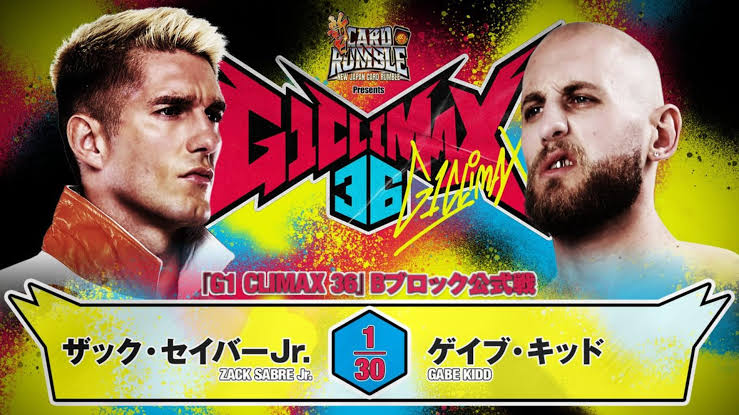
Pull up a stool and grab a beer. We just wrapped up Day 7 of the G1 Climax 36 at the EBARA WAVE Arena Ota, and the internet is currently setting itself on fire. If you aren't obsessed with New Japan, you’re probably wondering why people are screaming about an eight-minute undercard match. Well, it's because Tokyo crowds have no chill and the booking this year is tighter than a pair of skinny jeans in 2008.
The enthusiasts are naturally losing their minds. They look at the tag team output from United Empire—specifically Jake Lee and Zane Jay putting down Masatora Yasuda and Oleg Boltin in 5:51—and see a beautiful, high-efficiency machine. The argument here is simple: stop wasting our time with twenty-minute snooze fests and give us the condensed, violent action that keeps the heart rate up.
Then you’ve got the skeptics, a miserable bunch who claim the tournament has lost its soul. They argue that cramming so much talent into these short blocks is insulting to the legacy of the G1. One common sentiment floating around the subreddits is that the pacing feels rushed, leaving no room for the slow-burn storytelling that used to define these summer blocks. They want the ten-minute closing stretches, not the sprint finishes.
The clash of the purists and the speed-freaks
Looking at the discourse, it’s a total civil war. You have the purists insisting that the art of the 1990s strong style is dying, and the contrarians shouting that if you can't tell a story in under ten minutes, you aren't actually good at the job. It feels like the same debate we had back when AEW Redemption was tearing up the scene, just with more dropkicks and fewer pyro glitches.
Let’s talk about that TMDK tag match. Hartley Jackson and Ryohei Oiwa getting the win is a massive flex. The analysis from the pro-speed crowd is that we’re seeing a new focus on athleticism over exhaustion. It’s hard to disagree when you see the intensity spike instantly after the opening bell. When you look at the Day 7 results, the efficiency is actually the most impressive part. They aren't padding the runtime for the sake of the broadcast.
However, let’s be real for a second and throw some shade where it’s due. The pacing during the middle portion of the show was absolute dog water. There was a weird lull in energy that you could feel through the screen, even if you were watching on a delayed stream. You can’t tell me that the production staff wasn't scrambling to fix some of the audio levels during the transition between matches. It wasn’t a disaster, but it was sloppy.
Who wins the debate?
Honestly? The speed-freaks are winning this one. The G1 has always been a toll on a wrestler’s body, and if they can deliver the same high-stakes intensity without forcing these guys to wrestle 30-minute marathons every single night, then the promotion is doing the right thing. The product feels fresher.
We have to remember that tournaments are about survival. Seeing the way these rosters are handling the condensed schedule says more about their conditioning than anything else. If they can produce the same drama in six minutes as they once did in twenty, that isn't a failure, that is progress. The critics just miss the comfort of the old format.
Of course, I’m still waiting for someone on the booking committee to acknowledge that the undercard matches have zero stakes. It’s the one flaw in the armor. You give us these lightning-fast bouts, but we need more than just a win-loss count to actually care about the lower-tier guys. If you don't give the crowd a reason to invest in the persona, the move execution doesn't do the heavy lifting alone.
Ultimately, Day 7 was a win, but it showed cracks in the foundations. It’s 2026, and wrestling fans aren't as easily satisfied as we were a decade ago. We crave the technical brilliance, we demand the speed, and we will absolutely roast you if you lose the plot for even a second. The G1 is still the king, but the king is starting to look like he needs to adjust his crown before it slips.