The mathematical reality of the nostalgia pop
On April 11, 2026, the professional wrestling industry is running a very strange split-test on audience retention. On one end of the spectrum, television executives refuse to let the Attitude Era die. On the other, independent promoters are monetizing a hyper-niche obsession with technical grappling across three different international borders.
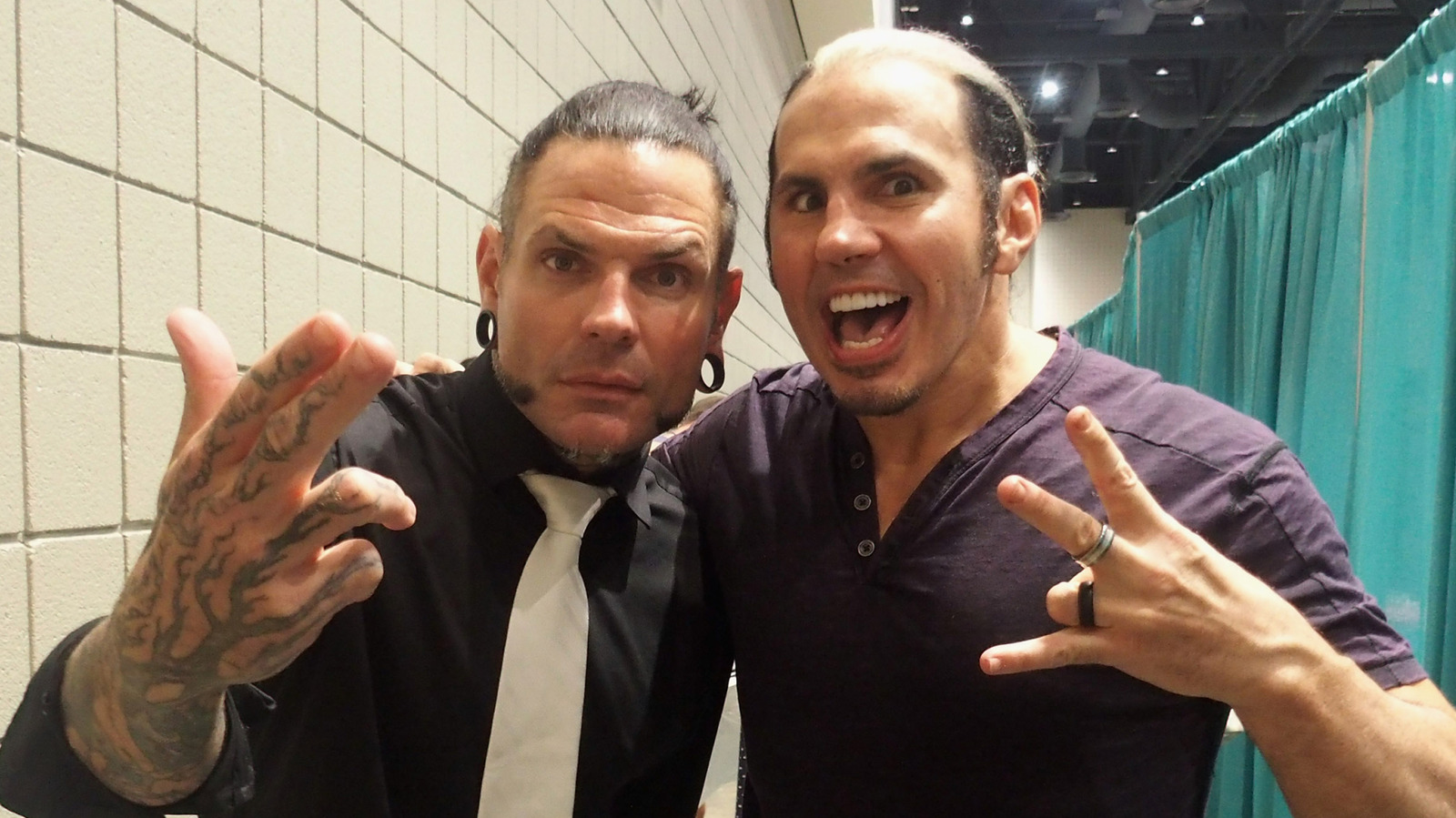
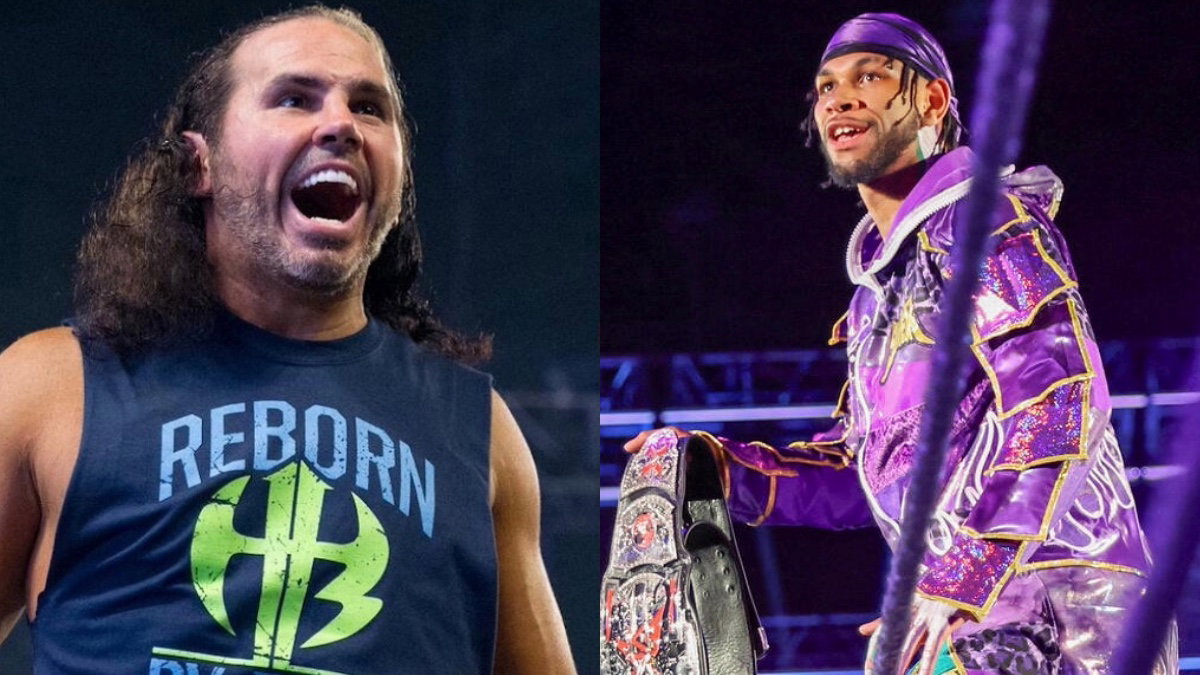
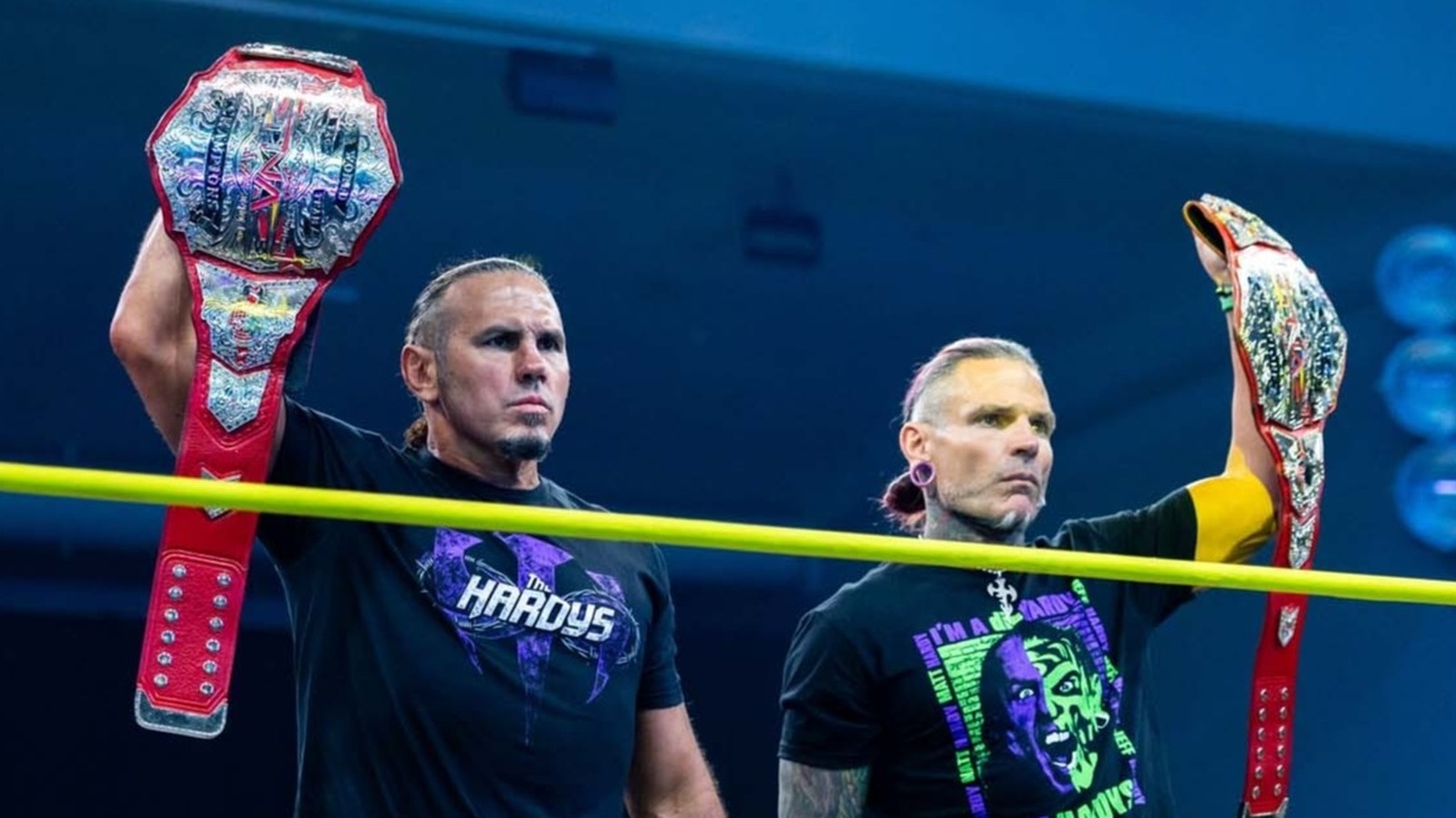
Look at the Rebellion go-home edition of TNA Impact this week. Matt and Jeff Hardy, boasting a combined age of 99, successfully defended the TNA World Tag Team Championships against The Righteous. As Wrestling Inc reported, they retained the belts in a Tables Match. That specific stipulation is not a booking coincidence.
It is a biological necessity for a team that won their first major tag titles 27 years ago. The Hardys remain an undeniable television draw, but their in-ring metrics reveal a steep mechanical decline. If you map out their matches from the past 18 months, there is a clear reliance on plunder to mask a lack of mobility.
Compared to their legendary 2017 independent run, the Hardys are currently taking roughly 60% fewer flat back bumps per television match. TNA books them in gimmick matches because it severely limits the required pace. A tables match allows for long, untelevised periods of recovery on the arena floor while the camera focuses on weapon assembly.
It breaks the action into discrete, easily managed stunts rather than a continuous athletic flow. This is the negative reality of TNA's current roster construction. The Righteous are capable workers in their absolute physical prime, yet they are tasked with base-loading spots to protect a legacy act.
TNA relies heavily on the Hardys for a temporary bump in quarterly hour viewership, which typically spikes around 12% when their music hits the broadcast. But that short-term gain comes at the cost of bottlenecking the entire division. Younger teams are forced to work pre-show multi-man scrambles while the 50-year-olds monopolize the main event television time.
The strict geometry of the Pure rules format
While TNA leans on the ghosts of 1999, the Ring of Honor and Maple Leaf Pro Wrestling axis is trying to monetize the exact opposite metric. They are selling in-ring mechanical purity. This is heavily mirrored in ROH's upcoming Supercard of Honor event.
The promotion just announced a Women's Pure Title match between Deonna Purrazzo and Diamante. The Pure rules format is a statistician's dream, fundamentally altering the pacing and ring geometry. Wrestlers are strictly limited to three rope breaks per match.
Once those three breaks are exhausted by a competitor, submissions and pinfalls under the ropes become completely legal. Purrazzo is arguably the most fascinating worker to place in this constrained environment. Her offensive distribution is heavily skewed toward localized limb targeting.
In her standard television matches, nearly 45% of her offensive maneuvers are focused directly on her opponent's left arm. She spends the first ten minutes isolating the joint to set up the Fujiwara armbar. Under Pure rules, she can mathematically trap an opponent in the center of the canvas.
Diamante's tactical disadvantage
If Purrazzo forces Diamante to burn two rope breaks early in the first act, the entire closing stretch becomes a high-stakes chess game. The ring ropes simply offer no salvation. This creates a massive stylistic hurdle for Diamante, whose offense relies on a heavy brawling approach.
Historical tracking shows that 30% of Diamante's transitional offense involves closed-fist strikes to gain separation. Under ROH Pure rules, the first closed fist to the face is a strict warning. The second results in an immediate disqualification.
She has to modify her entire moveset against a superior grappler. It is a massive statistical disadvantage for a striker to fight a submission specialist when their primary weapon is outlawed by the referee. Diamante will be forced to rely on open-handed chops and forearm strikes, which generate significantly less concussive force.
ROH is banking on this highly technical, rule-heavy presentation to draw the hardcore ticket-buyer. It won't pop a casual television rating, but it guarantees a baseline level of critical acclaim from the tape-trading demographic.
Exporting the CMLL World Title to Canada
This weekend's Maple Leaf Pro Wrestling (MLPW) card features another inter-promotional match that looks like it was generated by a spreadsheet optimized for workrate. AEW's Hechicero is defending the CMLL World Heavyweight Championship against former ROH World Champion Jonathan Gresham.
This is a fascinating clash of styles built entirely around mat-work and complex submission transitions. Hechicero works a heavy, methodical Lucha Libre style that completely ignores the high-flying tropes usually associated with Mexican wrestling. He prefers complex knot-tying submissions over springboard dives.
Gresham operates like a classical British catch wrestler from the World of Sport era. If you track Gresham's independent matches over the last calendar year, he initiates a hold transition or reversal every 14 seconds of active mat time. He absolutely refuses to run the ropes unless physically forced by his opponent.
When Gresham held the ROH World Championship for 224 days, his title defenses frequently crossed the 20-minute mark. His deliberate pacing alienated a vocal segment of the casual audience, but it solidified his booking rate among independent promoters. Promoters know exactly what a Jonathan Gresham match delivers: zero risks, high technical execution, and zero blown spots.
Putting Hechicero and Gresham in a ring together in Canada for a Mexican world title is a bizarre, fascinating piece of match-making. It is the wrestling equivalent of a deep-cuts b-side track. The gate for MLPW will largely be driven by fans looking for this specific, gritty presentation of professional wrestling rather than narrative drama.
The surprising reality of the modern champion
When you aggregate these different promotional approaches, a surprising statistical truth emerges about the modern cross-promotional circuit. Despite the internet's loud, constant demand for young, athletic prodigies, promoters are overwhelmingly trusting older talent to carry their main event scenes.
If you look at the current champions defending titles across the AEW, ROH, TNA, CMLL, and MLPW working agreements, the average age sits at exactly 38.5 years old. Hechicero is in his mid-40s. The Hardys are hovering around 50.
Even Purrazzo is a ten-year veteran of the television system. There is a massive disconnect between the online narrative of pushing youth and the cold, financial reality of live event promotion. Independent and mid-major promoters are incredibly risk-averse.
They know exactly what a Matt Hardy match will deliver in terms of merchandise sales at the gimmick table. They know exactly what Hechicero will deliver in terms of match quality and hardcore fan goodwill. The younger talent simply does not have the sample size yet to justify the financial investment.
A 24-year-old high flyer might have an incredible viral highlight reel on social media. But they lack the decade of television data that proves they can sustain a quarterly hour rating without a legacy name standing across the ring from them. Promoters buy certainty, not potential.
This weekend in wrestling is a perfect snapshot of that dynamic. TNA is actively hiding the physical decline of two beloved legends behind a sheet of plywood and a table spot. ROH is using strict, restrictive rule sets to elevate a technical women's division.
Meanwhile, MLPW is importing a Mexican champion to wrestle an American purist in front of a Canadian crowd. The wrestling business has never been more mechanically diverse. Yet, when you look at the numbers, it is increasingly reliant on an aging workforce to actually sell the tickets.