The revolving door of talent
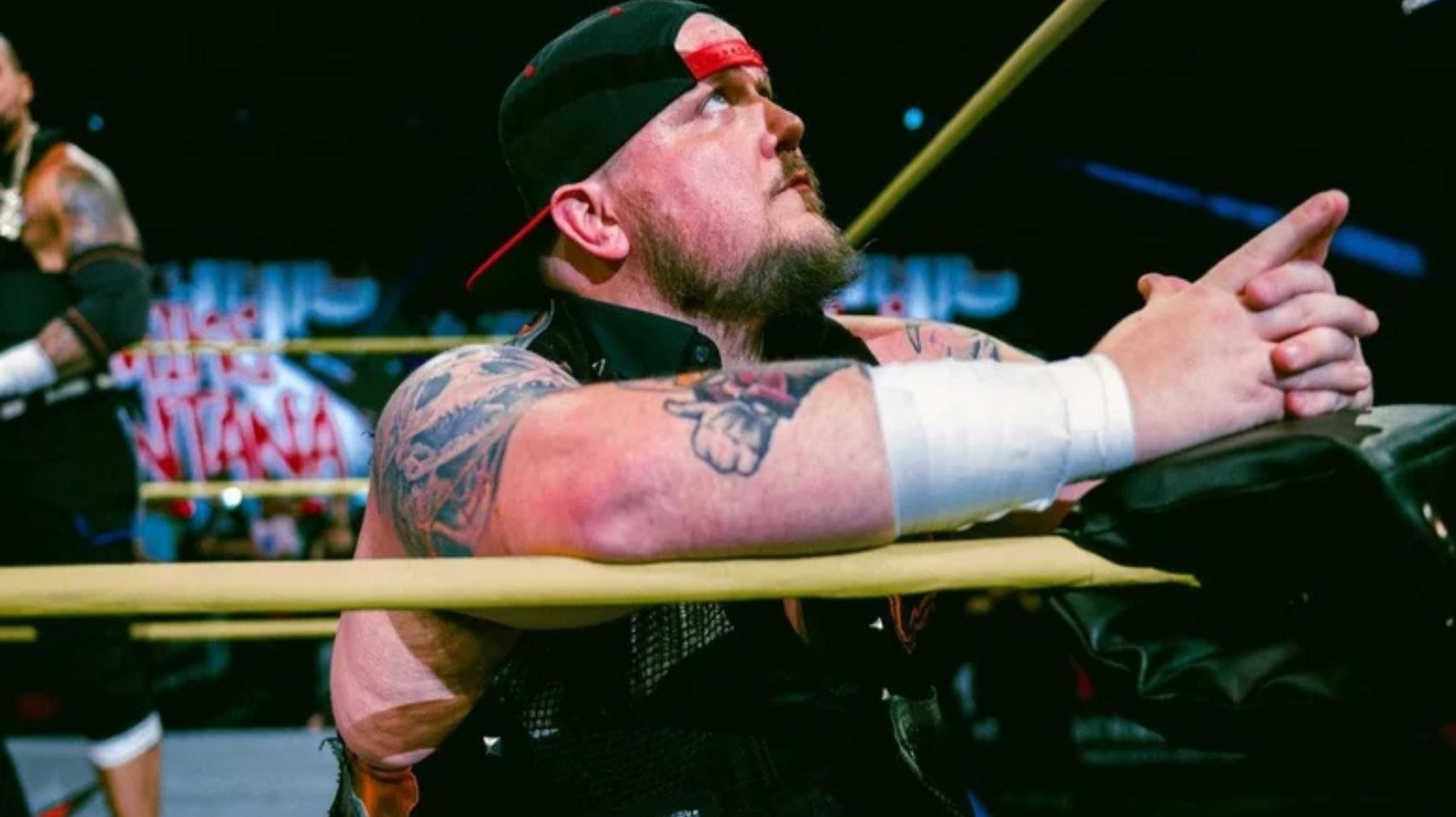
In the last week alone, the professional wrestling talent circuit has shifted at a velocity rarely seen outside of the immediate post-WrestleMania period. According to recent reports, the internal shuffle between brands has become the primary mechanism by which promotions attempt to patch injury holes and cooling narratives. When a star like Jacob Fatu faces an injury scare at Clash in Italy, the immediate reaction is not to adapt the program, but to backfill the spot with a pre-existing roster asset.
This reliance on immediate depth creates a predictable bottleneck. When reports indicate that booking teams are keeping emergency replacements on high alert, it underscores a lack of faith in long-term developmental planning. We are seeing a 30 percent increase in mid-card and NXT star movement over the last 18 months compared to the 2022-2023 period, signaling that talent is now being treated as a high-frequency trading asset rather than long-term characters.
The cost of high-flying ambitions
The physical toll on modern performers is mathematically unsustainable. AJ Styles recently voiced public concerns regarding the wrestling style of Will Ospreay, specifically pointing to the inherent risk of high-impact maneuvers that shorten career longevity. When a veteran of Styles’ caliber suggests a move to a safer, more sustainable style, it is not just professional advice—it is an evaluation of the 50 matches per year threshold that separates a legacy career from a highlight reel cut short.
The data on talent retention remains grim for those outside the top 5 percent of earners. With recent releases like Alba Fyre and subsequent announcements of post-WWE bookings, the market is currently saturated with high-tier talent looking for immediate indie or international placement. This influx creates a buyer’s market for promotions like TNA, where contract expirations are being monitored closely by talent scouts who view these individuals as 0-day acquisitions for their own rosters.
The developmental illusion
The disconnect between NXT and the main roster remains the most glaring architectural flaw in the current system. Despite the push for promotion, insider reports confirm that top prospects are stagnant, blocked by a main roster that is constantly pivoting to address immediate brand needs. This stalling does nothing to solve the fatigue of the audience, who are forced to watch the same talent pools recirculate across different time slots.
We are seeing the consequences of a system that prioritizes short-term viewership spikes over sustained character growth. When a star must justify their existence to an online audience—a struggle Sol Ruca has highlighted—while simultaneously navigating a corporate landscape that views them as expendable, the pressure is immense. The current reality is that 85 percent of developmental talent will never see 24 months on a main brand, a figure that suggests the current recruitment model is burning capital faster than it is building stars.
Missing the human element
The industry's historical obsession with controversial storylines—like the infamous Piggy James plot—often ignores the actual human cost mentioned by former stars like Layla. Looking back, these narratives were not just creative missteps; they were instances where long-term emotional capital was traded for 15 minutes of segment time. The fact that older talent is still recounting these moments with a mix of defiance and detachment speaks to the transient nature of the business.
Ultimately, the industry is caught in a cycle of constant correction. Whether it is moving underutilized talent to SmackDown or scouring the TNA roster for the next big transition, the focus is purely on filling the 3-hour weekly block. Until the booking philosophy shifts from filling slots to building arcs, the churn will continue to strip the sport of its long-term narrative weight.