The cost of personality in the TKO age
In the professional wrestling industry, the lines between on-screen persona and corporate policy have blurred to the point of extinction. We keep seeing the same pattern: talent gets too loud, too individual, or too messy, and the front office steps in to tighten the grip. Greg Hamilton recently recounted his experience with Talent Relations over something as mundane as tagging a restaurant on social media. It serves as a reminder that in the current era, your digital footprint is just another asset for the boardroom to manage.
This shift from the wild, individualized booking of the past to a buttoned-up, profit-obsessed machine is not purely negative, but it demands a different kind of wrestler. You can no longer just show up and be a character; you have to be a brand-safe franchise player. If you disrupt the commercial flow like Greg Hamilton noted regarding those strict protocols, you will feel the heat immediately. The days of the renegade superstar are being squeezed by layers of bureaucratic oversight.
The evolution of the locker room outsider
Not everyone fits the mold naturally, especially those who come up through the independent ranks with aggressive, unfiltered personalities. Take Enzo Amore, who recently discussed his early days in the industry. He famously noted that nobody wanted to talk to him upon his arrival in the company, highlighting the friction between the pre-existing structure and the new wave of talent. Some guys just break the seal on the locker room status quo.
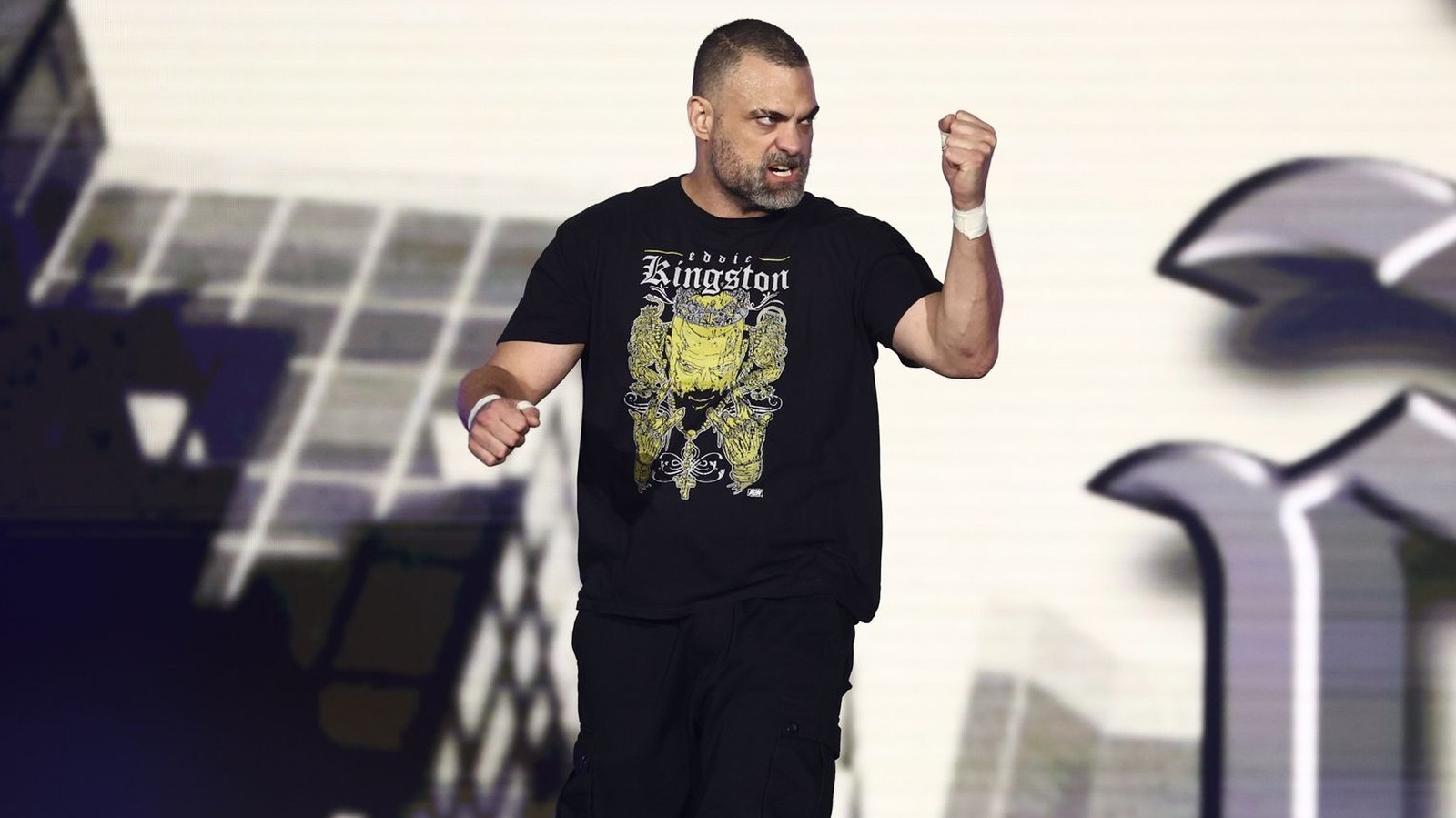
It is worth noting that this isolation isn't just about heat. Sometimes the industry is simply not built for individuals who don't subscribe to the invisible social hierarchy. Whether it remains 0% in terms of comfort or 100% in terms of genuine hostility, the result is the same: talented performers who operate on the fringes. We see this volatility often, like when Eddie Kingston drew police attention for his intensity. Real passion is a double-edged sword that the business doesn't always know how to handle.
Defining career endings on your own terms
There is a stark contrast between those fighting for relevance and those who have reached internal peace with the end of their run. Big E recently spoke candidly about his transition away from the ring following his neck injury. He stated he had a charmed career, which sounds like an outlier perspective in a field built on the constant hunger for the next big title shot.
Most stars define their worth by the belt they hold or the main event they headline. Big E's realization proves that the 15-year grind doesn't always have to end in bitterness or a forced return. When you look at his trajectory—from the NXT days to the top of the card—it is clear that accepting the end is the ultimate test of a performer's maturity. He is a rare example of someone exiting with his ego intact, as Big E explained in his recent interview.
The cold reality of the business
The biggest problem with the current state of the industry is the lack of genuine spontaneity. When talent is managed like a marketing brief, we stop seeing the moments that make wrestling feel dangerous. We have become accustomed to the polish, but we miss the grit that came with the unpredictability of guys like Kingston or the raw personality shifts seen in guys like Amore. My prediction is that for the rest of 2026, we will see even more friction between the new corporate standards and veterans who refuse to sanitize their persona. The performers who survive will be the ones who can bridge that gap without losing their soul.