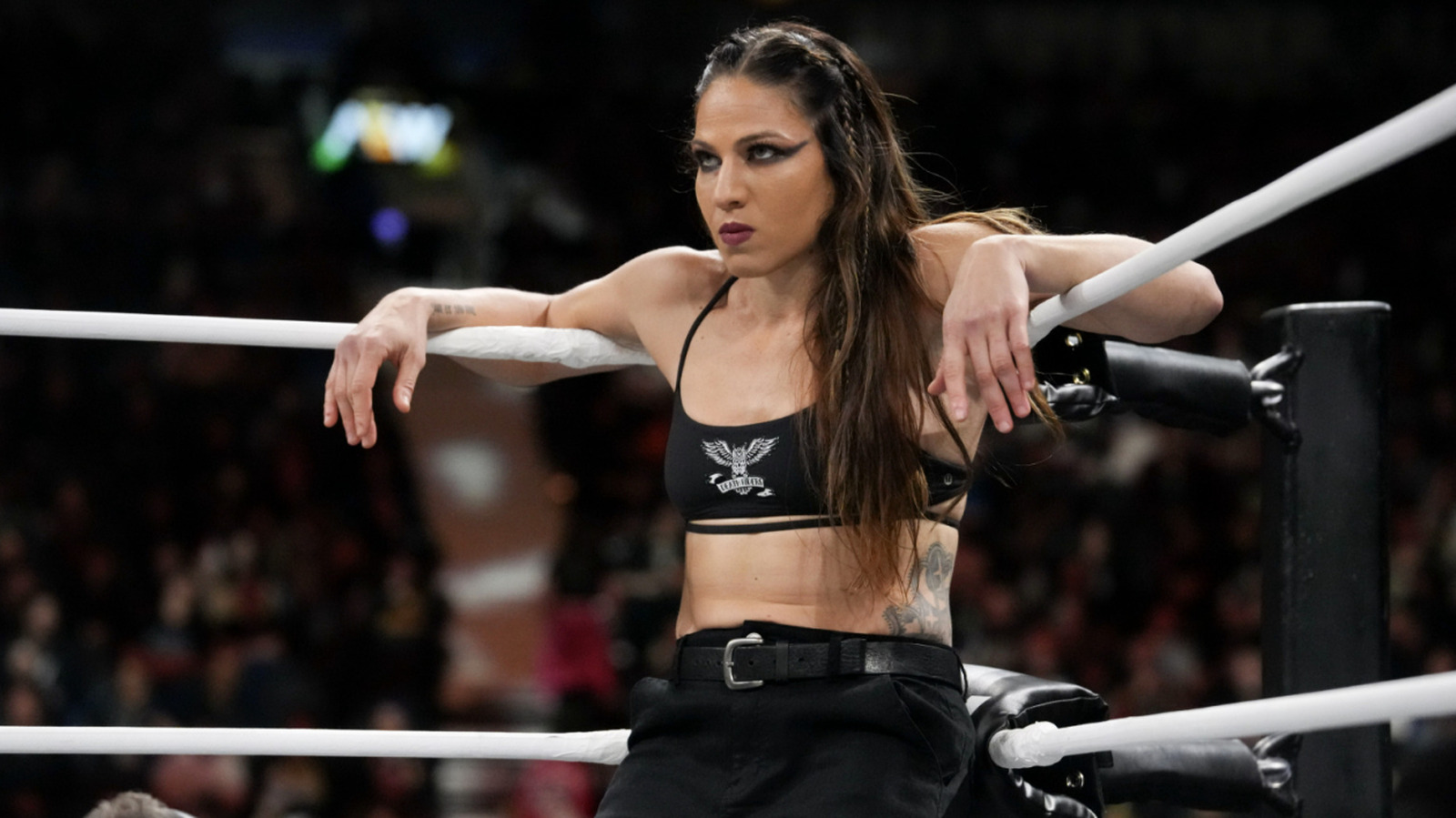
The TBS title picture just got a whole lot more confusing
If you checked out the June 24th episode of AEW Dynamite, you probably walked away with one of two feelings: pure adrenaline or a headache that required three aspirin. The Survival of the Fittest qualifiers for the TBS Championship were exactly what they promised: a frantic, high-stakes sprint that mostly worked, despite some questionable booking decisions that had the message boards going nuclear.
For the uninitiated, these qualifiers are designed to thin the herd before the big show. Watching this unfold felt like seeing a demolition derby where everyone forgot to check their brakes before hitting the ramp. The intensity was there, but the execution often felt like a blender set to speed six. Some fans were losing their minds over the technical work rate, while others were busy counting how many times the ref almost got flattened.
The internet is tearing itself apart over the pacing
Every corner of the wrestling universe has a take, and let me tell you, they range from genius to straight-up insanity. Over on the main subreddits, the enthusiasts are praising the sheer audacity of the spot-heavy matches. They argue that if you want a technical masterpiece, go watch a training video, because this was live television meant to keep eyes glued to the screen. These folks loved the non-stop interference and the high-risk maneuvers that defined the broadcast.
Then you have the skeptics. These are the people who actually watch AEW Dynamite results and then proceed to write three-paragraph essays on why the psychology was fundamentally broken. Their biggest gripe? The timing of the near-falls. One user pointed out that when you hit three finishing moves in under two minutes, the fourth one loses every shred of consequence. It is hard to disagree with that logic when you see a wrestler kick out of a move that used to be a protected finisher.
My take on the winners and losers
Let's get real for a second. While the high-flying spectacle is fun, there is such a thing as sensory overload. The survival format is meant to be gritty, not a gymnastics showcase. When the referee is treated like a piece of furniture in the ring, the stakes feel lower, not higher. We saw a few too many missed spots where the timing was off by a fraction of a second, resulting in some awkward pauses that shouldn't happen at this level.
However, the skepticism about the booking doesn't mean the whole show was a dud. The athleticism on display from the talent was undeniable. You have to respect the grind these wrestlers go through just to stay upright in a match this chaotic. The winner is the one who survives, sure, but the real test is whether the audience feels invested in their road to the title after such a whirlwind performance. Right now, I am not convinced that this booking strategy built any meaningful momentum for the contenders.
Where the argument actually lands
If you look at the core of the community debate, it really boils down to one simple question. Do we want a coherent story that flows naturally, or do we want a highlight reel designed to go viral on social media? The pro-spot crowd thinks the latter is the future of the industry, while the old-school thinkers believe that if you don't slow down to tell a story between the impacts, you are just performing a stunt show.
My money is on the side that thinks this was a missed opportunity. Building someone up as the next TBS Champion requires more than just surviving four other people in a ring with no rules. It requires character work that lets the fans know why they should care when the final bell rings. We saw plenty of sweat and a few decent bumps, but we needed more character definition to carry us to the finish line of this tournament. Without that, it really is just another night of loud noises and bright lights.
When the dust settled and the final pinfall was counted in the 9:45 PM slot, the room felt more tired than hyped. Sure, the winners moved on, but did they look like they were ready to carry a division? That is the real issue. The booking gave us a list of names, but failed to give us a reason to believe in any of them as a primary title holder. At the end of the day, a fast match is just a fast match; a great match changes the way you look at a wrestler for the next six months.