The geometry of a failed introduction
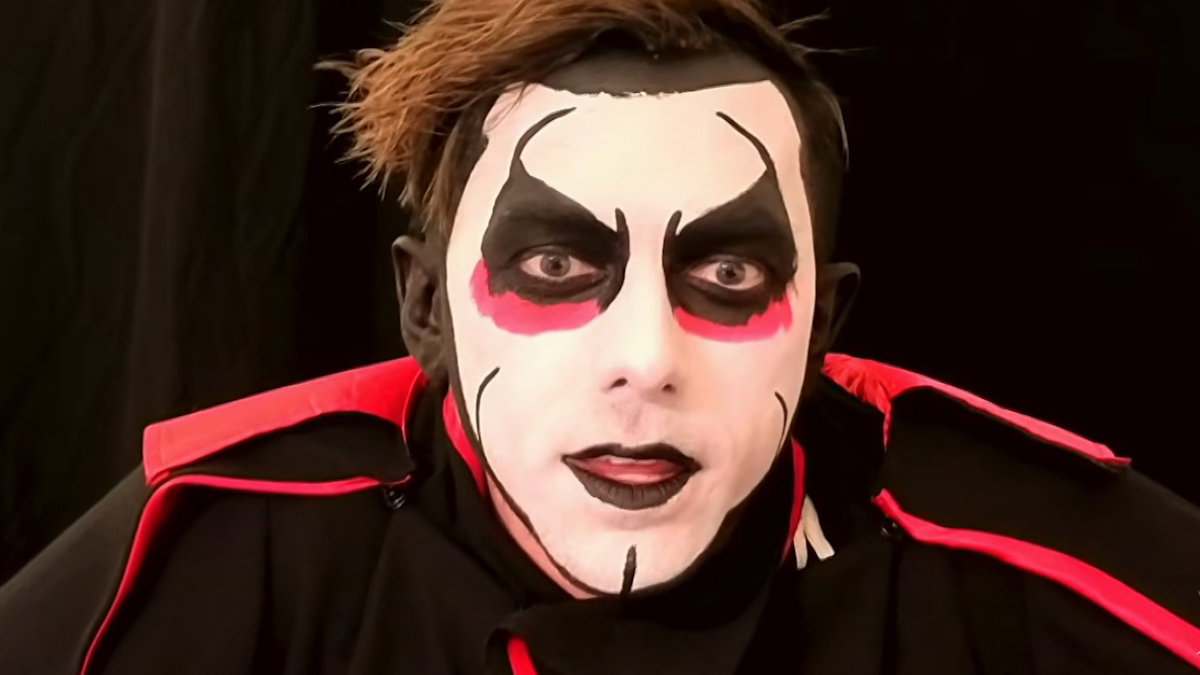
It took exactly 45 days for Danhausen to reverse a catastrophic first impression. When you debut a heavily character-based wrestler at a premium live event, you are fighting the sheer geometry of the building. The fans in the upper decks do not see subtle facial expressions. They do not hear un-mic'd jokes. The nuances of physical comedy evaporate in a stadium setting.
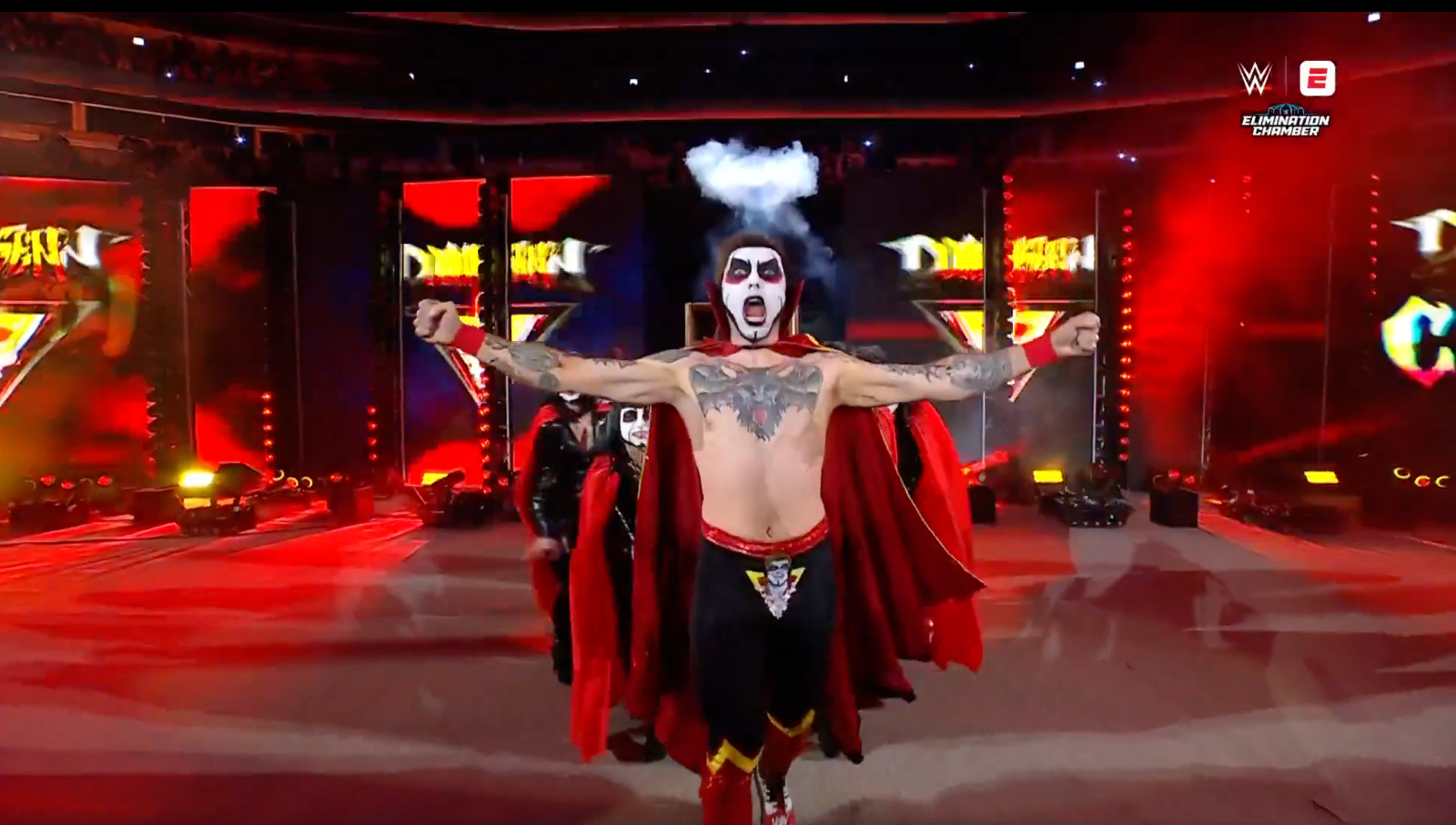
At Elimination Chamber in February, the creative team threw Danhausen to the wolves. The result was a structural failure. As reported by BodySlam.net, the initial reaction was not mere silence. The crowd actively booed him. They were genuinely confused by the presentation.
Management misread the room. They assumed internet virality would seamlessly translate to a mainstream audience paying premium ticket prices. It did not work. Introducing a man in face paint who points at his opponents rather than striking them requires narrative context. At Elimination Chamber, there was zero context provided.
This left WWE with a distinct problem. The standard operating procedure for a botched debut is usually a quiet shuffling down the card. Often, the performer is pulled off television entirely for a quiet repackaging. Instead, the booking team hit the brakes. They stopped asking the crowd to instantly understand him.
The anomaly of the holding pattern
In modern WWE, a debuting talent typically wrestles their first match within seven days of their initial appearance. If a call-up arrives on a Sunday, they work a television match on Monday or Friday. The machine demands content. Danhausen was held out of official in-ring competition for nearly seven weeks.
That is a statistical anomaly. Keeping a new acquisition out of the ring for that long after a bad debut is a massive gamble. The audience has a famously short memory. If a talent vanishes from the weekly rotation, the crowd simply moves on to the next bright shiny object.
But the delay was a calculated recalibration. The creative team used those weeks to slowly introduce the mechanics of the character through isolated backstage segments. They showed the audience how to react instead of expecting them to figure it out on their own. It was a slow, deliberate education process.
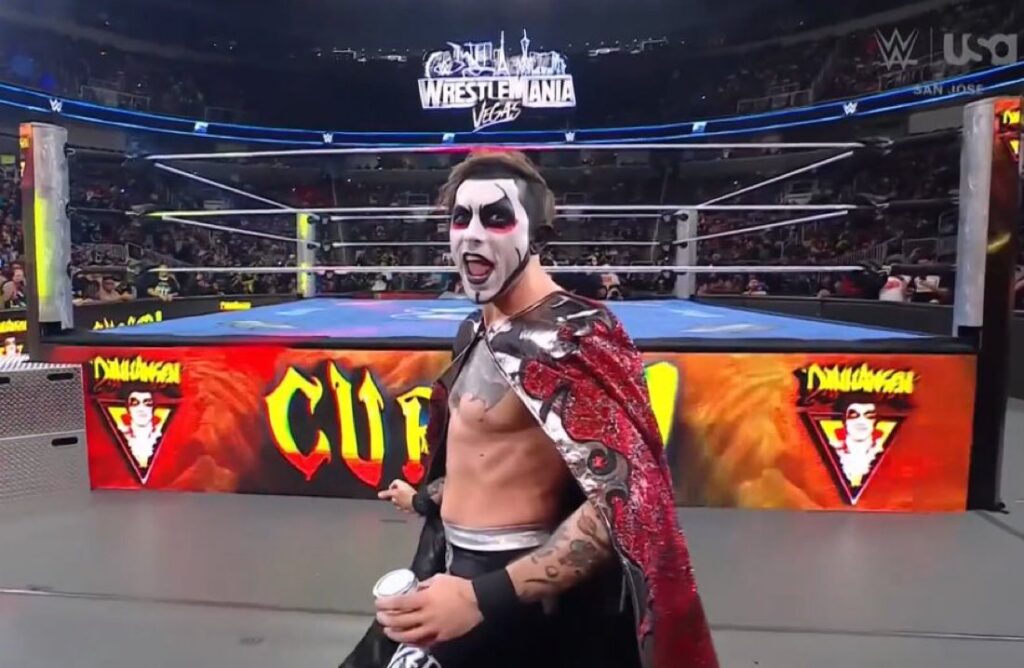
You could map the shifting audience metrics week by week. The boos faded into silence. The silence turned into murmured curiosity. The curiosity finally broke into anticipated cheering. By the time he stepped between the ropes for his official SmackDown debut, the foundation was entirely rebuilt.
The mechanics of the curse
Professional wrestling is fundamentally built on physical contact. The entire suspension of disbelief relies on the idea that these athletes are trying to physically damage each other inside a standard 20-by-20 foot ring. Danhausen's signature spot breaks that rule entirely.
He points a finger. He curses his opponent. The opponent suffers a sudden bout of misfortune. For this to work on national television, the opponent has to do 90 percent of the heavy lifting. They have to sell an invisible force. It requires total commitment from the person taking the move.
During his SmackDown debut, the execution was flawless. He did not just secure a victory; he won by leaning entirely into the exact gimmick that got him booed in February. He cursed his way to the win. The crowd popped. The turnaround was complete.
This is a fascinating case study in audience psychology. The exact same action that drew widespread rejection a month and a half ago is now generating a positive television reaction. The difference is not the move itself. The difference is the context provided in the intervening weeks.
The ceiling of comedy in a weekly cycle
Despite the success of the SmackDown debut, we need to be realistic about the statistical ceiling of this character. History is rarely kind to pure comedy acts in mainstream wrestling. Gimmicks that rely on a single, specific punchline suffer heavily from diminishing returns.
A physical finishing move can be hit out of nowhere to end a gripping 20-minute classic. A curse is a comedy beat. You can only run a comedy beat so many times before a 52-week television cycle grinds it into dust.
If we look back at the last two decades of WWE programming, the lifespan of a novelty gimmick is ruthlessly short. A performer like Santino Marella managed to stretch a comedic persona over a decade, but he is the extreme outlier. Most comedy acts see a sharp decline in crowd reactions within their first 18 months on the main roster.
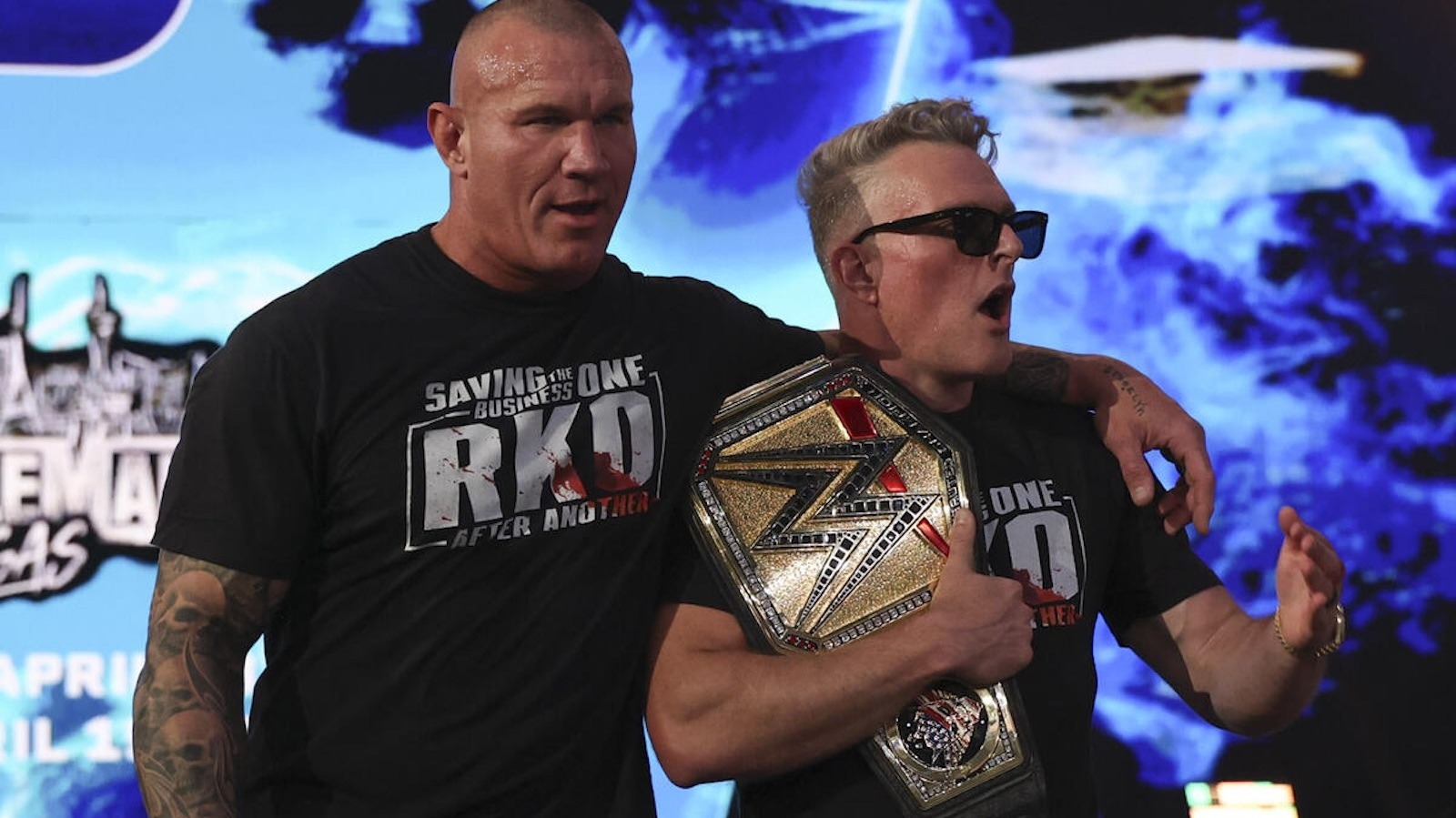
Right now, the character feels fresh because it contrasts heavily with the hyper-athletic, serious tone of the current product. As we grind through the final weeks of the WrestleMania 41 build, Danhausen operates as a necessary palate cleanser. He offers a mental break from blood feuds and title chases.
But what happens in month six? What happens when he has to work a 15-minute match against a top-tier heel who refuses to play along with the joke? The booking at Elimination Chamber was a glaring error. While they managed to fix it, that error highlights a systemic issue with how WWE handles nuanced, indie-style characters.
They often expect the talent to get over on raw charisma without providing the necessary narrative scaffolding. Danhausen survived the misstep because his character work is incredibly resilient. Dozens of highly touted prospects have drowned on the main roster because their first three weeks were mismanaged.
The economics of a cursed gimmick
Why did WWE bother trying to fix this? Why not just release him after the disaster in February? The answer, as always, is buried in the merchandise numbers. In the modern wrestling business, a performer who can move t-shirts is given a significantly longer leash.
During his run on the independent circuit, Danhausen was regularly moving massive volumes of inventory. He operated as his own licensing brand. When WWE acquires a talent with that kind of track record, they are not just buying an in-ring performer. They are buying a proven retail pipeline.
The standard talent contract typically offers a performer a cut of their individual merchandise sales. For a high-volume seller, that is a lucrative secondary income stream. For WWE, it is a low-overhead revenue generator. A simple black t-shirt with a stylized curse logo costs pennies to print but retails at a premium.
If you release him after one bad night, you are leaving hundreds of thousands of dollars in potential retail revenue on the table. This economic reality dictates creative patience. You do not abandon a proven retail property just because the initial presentation was flawed.
You tweak the lighting. You change the venue. You adjust the opponents. You do whatever it takes to make sure the crowd is cheering by the time they walk past the merchandise stand at the end of the night.
The SmackDown victory was the final step in securing that investment. The boos have been silenced. The curse is officially accepted by the television audience. WWE proved that calculated patience is still an effective strategy. Now, they just have to figure out how to keep the joke from getting old.